

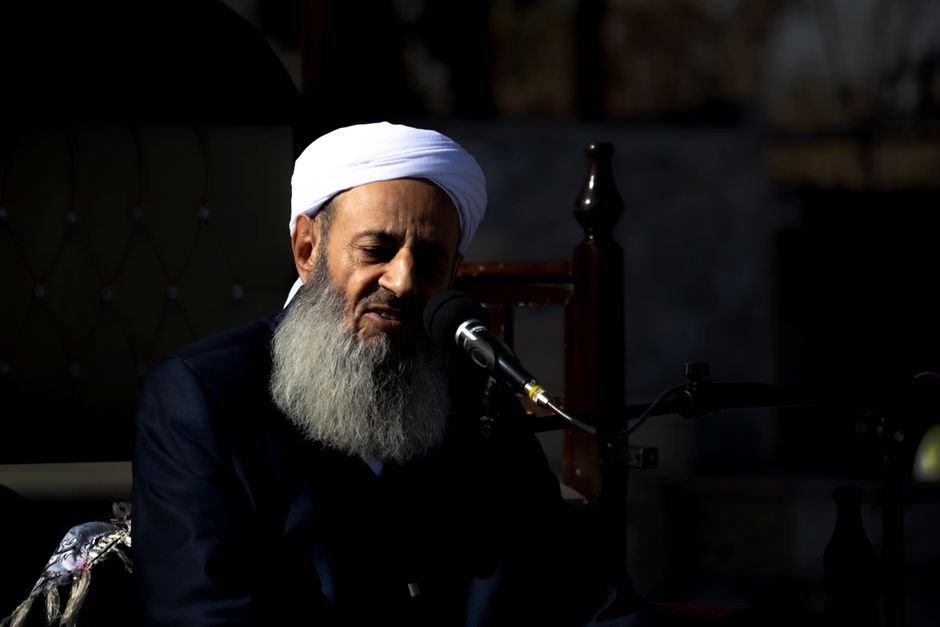
Iran’s new Supreme Leader, Mojtaba Khamenei, announced on Saturday that revenge for the assassination of his father, Ali Khamenei, “will most certainly be carried out.”
The statement, published after the funeral of the late supreme leader finally concluded on July 10, marks the most direct threat yet from Tehran since the US-Israeli strike that killed Ali Khamenei on February 28.
“Revenge is the demand of the nation,” Mojtaba Khamenei said, according to state media reports. The language was absolute, not a conditional threat, not a diplomatic signal, but a promise.
The funeral in Mashhad, Khamenei’s hometown, had been delayed for months, and when it finally took place, the ceremonies turned into mass demonstrations of anti-American fury. Banners called for Trump’s death. Chanters demanded vengeance. One participant told reporters that killing Trump would “help the oppressed peoples of the world.”
The question now is what form that revenge might take.
Iran has options. The regime’s proxies across the Middle East, in Lebanon, Syria, Iraq, and Yemen, have been used before to strike American targets. A direct assassination attempt against Trump was already made in March 2026, when an Iranian-aligned operative tried to kill the president. The Secret Service foiled that attempt.
But Iran may also choose asymmetric retaliation: cyberattacks on US infrastructure, strikes on American bases in the region, or targeting US diplomats abroad. The regime has spent decades building the capability to hurt the United States without fighting a conventional war it cannot win.
The collapse of the US-Iran ceasefire this week has removed whatever thin barrier remained between the two countries. The US military has said it is prepared to destroy Iranian military installations. Iran has said it is prepared to avenge its leader.
Mojtaba Khamenei’s statement is not just rhetoric. It is a public commitment from a new leader who needs to prove his toughness to a regime that is fractured, under siege, and uncertain of its own future. A supreme leader who fails to deliver on a promise of revenge may not remain supreme for long.
The United States has not publicly detailed its security posture in response to the threat. But the convergence of a collapsed ceasefire, a funeral that functioned as a rally for revenge, and a new leader making his first major public promise. The conditions for escalation are in place.