

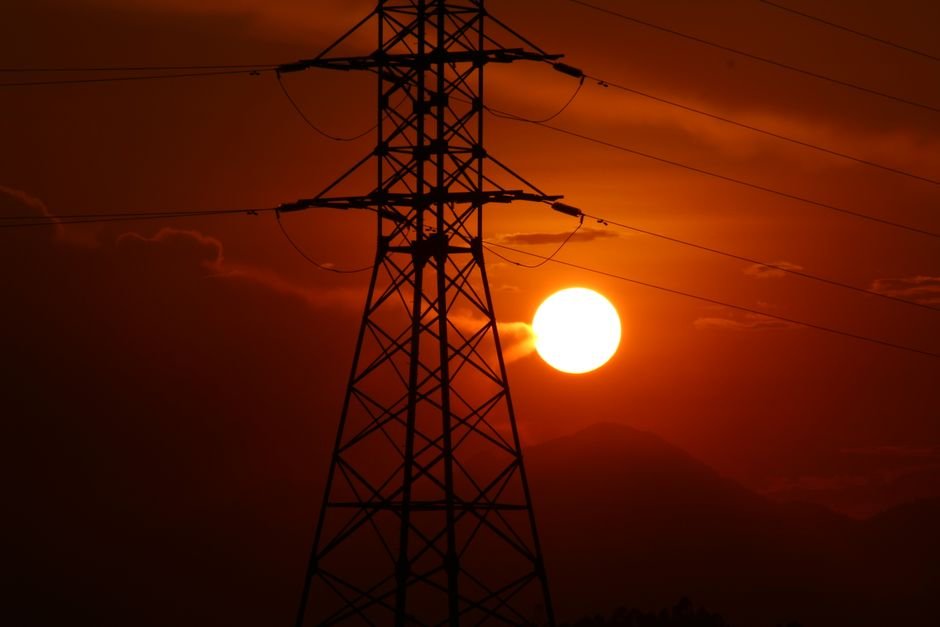
Iranians are living through rolling blackouts during a summer heatwave as a power grid already weakened by years of underinvestment takes direct hits from U.S. airstrikes.
The Energy Ministry acknowledged for the first time this week that U.S. strikes had hit “power infrastructure” in southern provinces, issuing an urgent call for people to reduce consumption. On Saturday, Iranian state media reported that strikes had damaged an electricity and desalination plant in Hormozgan province, cutting off water to several villages west of the port city of Jask.
For ordinary Iranians, the result is a grinding daily crisis layered on top of a war. In Tehran and other major cities, scheduled blackouts leave homes and businesses without power for hours at a time. In the south, where temperatures regularly top 45°C, the combination of no electricity and no air conditioning is a health emergency.
The power grid was in poor shape before the war. Chronic underinvestment, sanctions, and a growing gap between generating capacity and demand meant rolling blackouts were already a feature of Iranian summers. The war has made it dramatically worse. U.S. CENTCOM has confirmed strikes on “military logistics infrastructure,” but the damage to the civilian grid is mounting as collateral, or by design.
Iran’s government has ordered office closures across at least 15 provinces to cut consumption. Hospitals run on backup generators. Water pressure has been reduced across Tehran as reservoir levels drop during what Iranian media describe as the worst drought in a century.
Iran has responded by striking back at regional infrastructure. It hit a Kuwaiti power and desalination plant on July 18, the second such attack on Kuwait in 48 hours, in what appears to be a direct tit-for-tat: you hit our power and water, we hit yours. About 90 percent of Kuwait’s drinking water comes from desalination.
The Strait of Hormuz crisis is the headline story. But there is a quieter catastrophe unfolding inside Iran: a civilian population slowly losing access to electricity, clean water, and the basic conditions of modern life, all because a war their leaders started and their enemies escalated shows no sign of ending.