

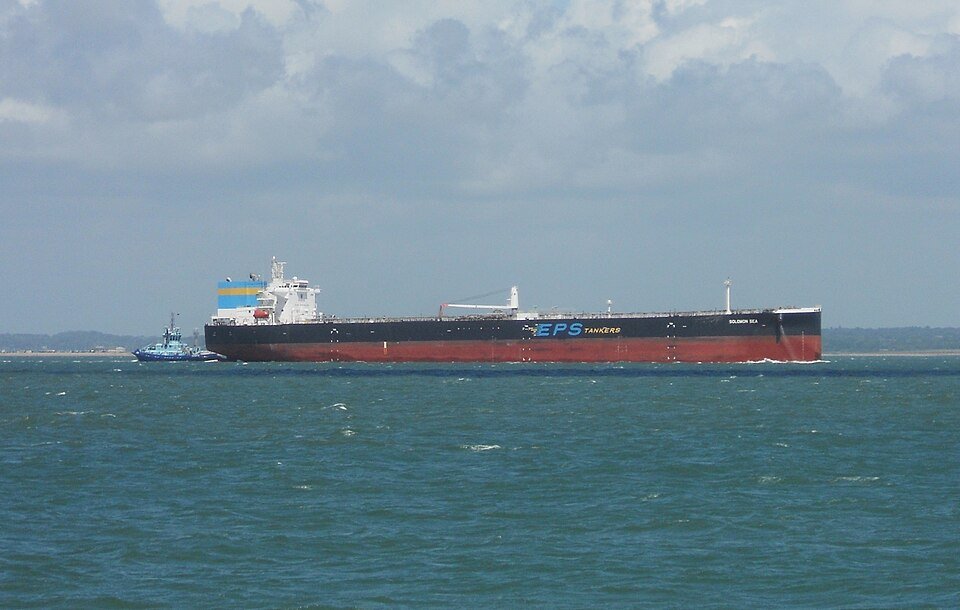
The French navy boarded and seized a Russian oil tanker near Sicily on June 23, marking the fifth interception of a vessel linked to Moscow’s so-called shadow fleet since September 2025. President Emmanuel Macron announced the operation on June 25, declaring that Europe will not allow the clandestine shipping network to keep funding Russia’s war in Ukraine.
The tanker, identified as the DELIVER, was transiting the Mediterranean Sea off the coast of Sicily when French naval forces conducted a flag verification boarding. The vessel had sailed from the Russian Baltic port of Primorsk and was flying a Cameroonian flag. French authorities said the boarding team’s examination of the ship’s documents confirmed “doubts about the regularity of the flag flown,” according to a government press release from the Maritime Prefect of the Mediterranean.
“We will not allow the shadow fleet to evade sanctions and fund Russia’s war effort. Europe is determined,” Macron wrote on X, posting video footage of the naval operation. French officials noted that British intelligence support contributed to the interception, reflecting growing coordination among European nations to target the shadow fleet.
This seizure is the fifth by France since September 2025. The tally began with the Boracay (also known as the Pushpa), a Benin-flagged tanker intercepted in the Atlantic more than 400 nautical miles west of Brittany. In January 2026, French forces boarded the Grinch in the Alboran Sea between Spain and Morocco. Two more vessels followed in March 2026: the Ethera, seized jointly with Belgium in the North Sea under “Operation Blue Intruder” while flying a Guinea flag, and the Deyna, a Mozambique-flagged tanker boarded in the western Mediterranean that had departed from Murmansk. In each case, the vessels were suspected of flying false flags or using irregular registration documents to conceal their Russian-linked cargoes.
Previous French seizures typically resulted in the vessels being escorted to port, detained for investigation, and eventually released after fines were imposed. It remains unclear whether the DELIVER will face a different outcome.
The shadow fleet is an amorphous network of approximately 600 aging tankers with opaque ownership structures. These vessels help Russia bypass the price cap and embargo measures imposed by the European Union, the Group of Seven, and allied nations after the full-scale invasion of Ukraine in February 2022. The fleet operates through tactics known as flag-hopping, frequently switching registrations to jurisdictions with weak oversight, and using invalid or fraudulent flag documents. Many ships also disable their Automatic Identification System transponders to evade tracking.
Russia has denounced the interceptions as acts of piracy. The Kremlin has invested heavily in building the shadow fleet as a strategic asset to maintain oil export revenues, which remain the single largest source of funding for its war budget. Despite Western sanctions, Russian crude continues to reach global markets through these covert maritime channels, often transferred ship-to-ship at sea before being processed in third countries.
European enforcement has intensified sharply in recent weeks. The United Kingdom conducted its first-ever shadow fleet tanker seizure earlier in June 2026. Sweden also detained a vessel linked to the transport of stolen Ukrainian grain. The European Union agreed on new sanctions listings on June 15 and is expected to finalize its 21st sanctions package in July, which is likely to include additional provisions targeting the maritime evasion network.
The DELIVER interception comes at a moment of heightened geopolitical flux. Ongoing conflict in the Middle East has disrupted global oil supply routes and pushed energy prices higher, creating additional incentives for sanctions circumvention. Analysts note that the shadow fleet may become even more valuable to Moscow as demand for non-sanctioned crude increases on the spot market.
France’s sustained campaign of at-sea intercepts reflects a deliberate shift from passive sanctions listing to active maritime interdiction. By boarding and seizing vessels on the high seas, European navies are imposing tangible consequences on shipowners, insurers, and flag states that facilitate the trade. Each seizure generates documentary evidence that can be used to trace ownership chains, freeze assets, and prosecute intermediaries.
Yet the scale of the challenge remains daunting. With roughly 600 suspect tankers in operation and only a handful of Western navies conducting boardings, enforcement covers a fraction of the illicit traffic. The shadow fleet adapts quickly, changing vessel names, transferring cargoes at sea, and rerouting through jurisdictions where interdiction risk is lowest.
For now, the DELIVER sits under French control in a Mediterranean port, its crew and documents under examination. Whether the fifth French seizure proves a turning point or a symbolic gesture will depend on whether Europe’s political will for maritime enforcement can match the scale and ingenuity of Russia’s sanctions-evasion machine.