

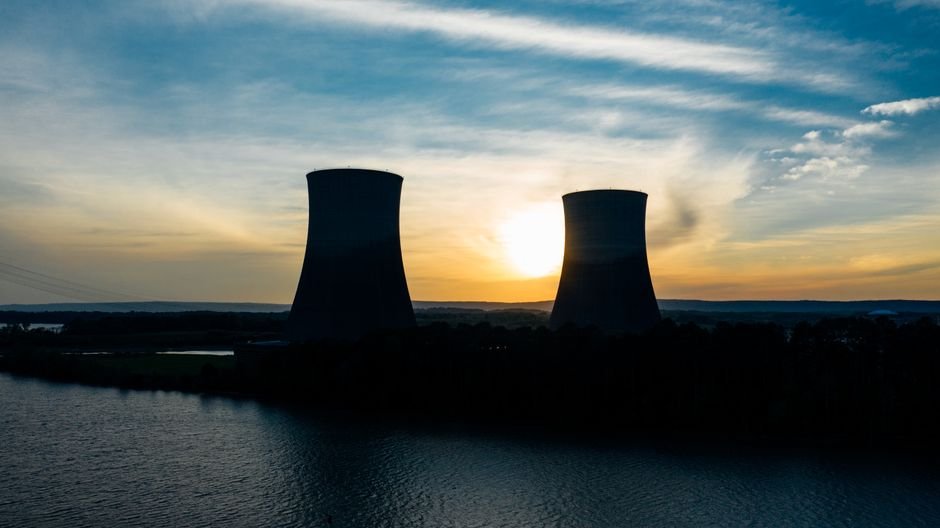
At her farewell gathering with the Philippine media, outgoing French ambassador Marie Fontanel made an offer that was about energy and, by her own framing, about sovereignty. She said Paris stands ready to share its nuclear expertise with Manila, and she tied the offer to a broader ambition: deepening defense cooperation between the two countries.
Energy security, she said at the gathering in her Makati residence, is a question of sovereignty, like defense and security, and France genuinely wishes to help the Philippines become more self-reliant. The mechanism is already sketched out. Talks on nuclear cooperation have run since Fontanel took up her posting in 2023, and both sides have taken steps toward a possible grant from the French government. France’s state-owned utility EDF, which operates the country’s reactor fleet, stands ready to share technical expertise, conduct assessments and provide guidance if Manila asks. France generates about two-thirds of its electricity from nuclear power, which gives it decades of operating, regulatory and waste-management experience to draw on.
The offer was not improvised at a farewell party. Early in Fontanel’s posting, France took part in a Department of Energy forum with a delegation of French companies and agencies specializing in nuclear technology, a sign of an interest that has now been given a political frame.
The timing matters. Days before Fontanel spoke, President Ferdinand Marcos Jr. told Congress in his State of the Nation Address that it might be time to revisit nuclear energy production. Fontanel welcomed the renewed direction while cautioning that a nuclear program takes years to build and cannot be left for tomorrow; it has to start somewhere. The offer lands on a country that has been here before: the Philippines built its only nuclear plant at Bataan in the 1970s and never switched it on, a monument to safety concerns and corruption that still shapes the debate.
The commercial groundwork is already being laid. Power utility Meralco has signed a strategic cooperation agreement with EDF to explore nuclear deployment, an initiative aimed at long-term energy security. France’s presence in Philippine energy is not limited to atoms: TotalEnergies runs a solar project in Isabela, and Hydrogène de France is involved in hydrogen-based power initiatives.
The defense dimension is the part Fontanel did not need to spell out. France has been seeking to deepen defense cooperation with the Philippines, and the nuclear offer is presented in the same package. For Paris, the Philippines is a Pacific partner at a time when France is asserting a role in the region’s security order. For Manila, the offer adds another option, and another patron, in an energy policy that the war in the Middle East and the closure of the Strait of Hormuz have made newly urgent: with fuel prices driven up by conflict, diversification has climbed the agenda.
The caveats are real. Analysts note that a renewed nuclear push would still have to clear safety and governance hurdles, and the Bataan precedent hangs over every proposal. Fontanel herself acknowledged the differences in geography and history between the two countries while arguing that France’s experience could still inform Manila’s decision. The offer is genuine, the timeline is long, and the decision is not for tomorrow; at some point, she added, the country has to start. Her posting is ending; the offer is built to outlast it.
Source
- South China Morning Post: France offers nuclear expertise as Philippines weighs energy security options
- The Philippine Business News: France offers nuclear expertise to boost PH energy security
- ABS-CBN News: France seeks to boost defense, possible nuclear cooperation with Philippines
- Philippine News Agency: Meralco, France energy giant to explore nuclear power dev’t