

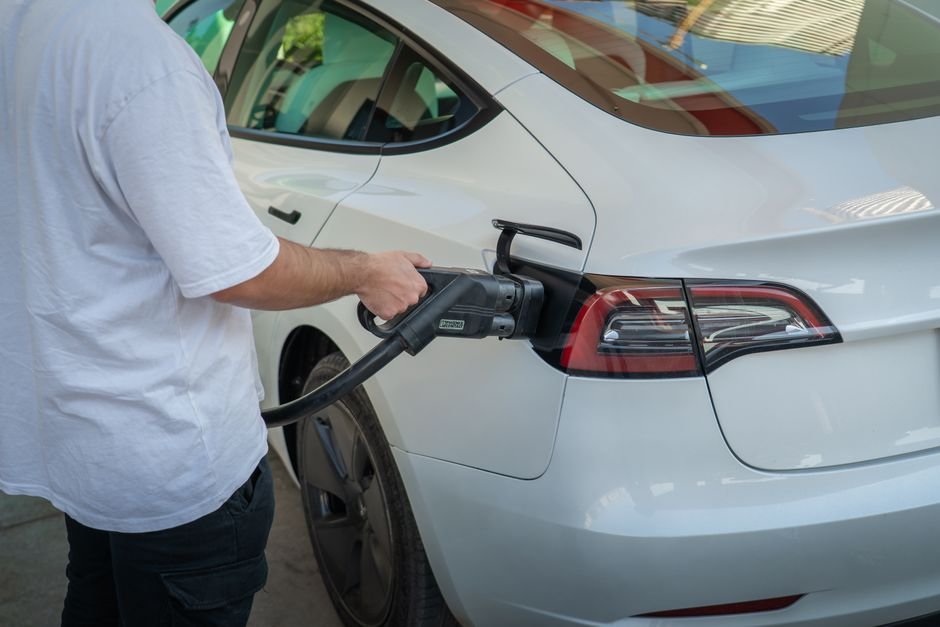
Data from a 965-kilometer (600-mile) road trip to Montreal shows that public DC fast charging in the US has improved dramatically since 2023, with reliable stations, shorter waits, and charging times that slot naturally into routine travel breaks.
TechCrunch reporter Tim De Chant drove an Audi e-tron from Boston to Montreal and back, relying on three fast-charging sessions of roughly 20 minutes each. With one small exception — a card reader failure at a Circuit Electrique station in Montreal, quickly resolved by downloading an app — the experience was flawless. “We never once waited on the car,” De Chant wrote.
The contrast with 2023 is stark. On a similar trip that year, De Chant encountered broken chargers, a station where only one of two reported working plugs actually functioned, and multiple customer-service calls. He later drafted an EV fast-charging “bill of rights” outlining seven improvements needed.
The improvement is backed by nationwide data. The number of DC fast chargers in the US has more than doubled since July 2023, from roughly 32,000 to well over 64,000. The Paren reliability index, which measures charger uptime, has climbed from about 85 percent to the mid-90s — a roughly 10-point improvement. Tesla’s Supercharger network, now open to non-Tesla vehicles after a lengthy rollout, has been a significant contributor to both scale and reliability.
De Chant used A Better Route Planner (ABRP, now owned by Rivian) to optimize charging stops based on weather, vehicle specs, and battery degradation. The first recommended stop was a Rivian-branded charger in Lebanon, New Hampshire, which had six 300-kilowatt stalls, all working, with no queue and direct credit card payment.
De Chant’s conclusion: “I’m genuinely surprised by how much better fast charging has become. Someone should tell the holdouts what they’re missing.”
Sources: A 600-mile road trip proves EV charging doesn’t suck anymore (TechCrunch, Jul 18)