

Dedicated treatment facilities are the backbone of any Ebola outbreak response. They isolate the infected, protect the community, and provide the only care available. But inside their walls, conditions are brutal, and the people working there are paying a heavy price.
A World Report published June 20 in The Lancet by journalist Talha Burki takes readers inside one such facility in eastern Democratic Republic of the Congo, where the worst-ever outbreak of Bundibugyo ebolavirus has reached approximately 856 confirmed cases and nearly 200 deaths as of mid-June.
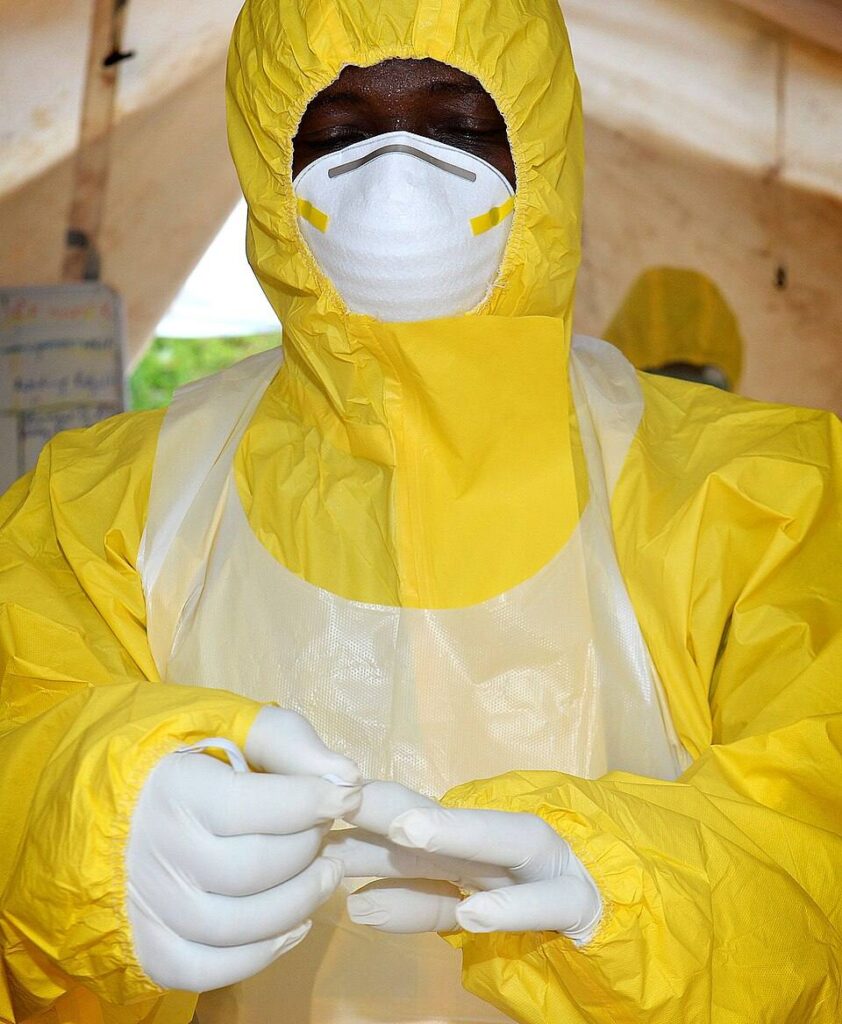
The treatment centre, located in Ituri Province, the epicentre of the outbreak, operates under conditions that are extreme even by the standards of epidemic response. Health workers spend hours in full-body personal protective equipment in tropical heat, emerging drenched in sweat and dehydrated. The psychological toll is compounded by a grim reality: for Bundibugyo virus, there are no approved treatments. Care is supportive, intravenous fluids, electrolytes, fever management, and mortality remains high.
At least five medical staff died at Bunia medical centre alone early in the outbreak, including Dr Tibenderana Katho Blaise. The dedicated centre itself has been a target of community violence. In May, the Rwampara treatment centre near Bunia was set on fire by protesters after a dispute over burial practices, and 18 patients escaped from a facility in Mongbwalu after an attack. Three patients fled the Beni centre after a massacre by the Allied Democratic Forces militia nearby.
A crisis within a crisis
The treatment centre operates against a backdrop of compounding emergencies. The outbreak, declared a Public Health Emergency of International Concern by the WHO, is unfolding across at least 25 health zones in three provinces, Ituri, North Kivu, and South Kivu, with additional cases reported in Kampala, Uganda. Contact tracing, a cornerstone of containment, is running at only 45%, far below the 90% threshold needed to track transmission chains effectively.
Meanwhile, the region is wracked by the ongoing M23 rebellion in North Kivu, activity by the ADF and other armed groups, and deep community mistrust of outside responders, fueled by conspiracy theories and historical grievances. A $115 million funding gap has hampered the response. Médecins Sans Frontières has built a 65-bed treatment centre in Ituri, but the needs continue to outpace capacity.
Why dedicated facilities matter
Burki’s report underscores why dedicated treatment centres remain essential despite their challenges. They provide isolation capacity to separate suspected from confirmed cases, strict infection control protocols, bleach footbaths, waste management, PPE protocols, and safe, dignified burials that prevent further transmission. Without them, the virus would spread unchecked through communities.
But they also concentrate risk. Health workers face infection, violence, and psychological trauma in numbers that are difficult to sustain over the course of a prolonged outbreak. The report arrives as the scientific community debates how to improve the design and security of these facilities for the epidemics of the future.
This article is based on a Lancet World Report by Talha Burki, published alongside related Correspondence and commentary in the same issue. The full text is available with free Lancet registration.
Source: The Lancet, “World Report] Life and death in an Ebola virus disease treatment centre” by Talha Burki (June 20, 2026). Volume 407, Issue 10547, pp 2485-2486. DOI: [10.1016/S0140-6736(26)01237-701237-7).