

Ebola outbreak spreading at unprecedented rate as cases surge in DR Congo and Uganda
The Ebola outbreak in central Africa is accelerating at a pace that has alarmed public health officials, with confirmed cases in the Democratic Republic of Congo climbing to 380 and the highly contagious Bundibugyo strain spreading into Uganda.
The Africa CDC warned Monday that the outbreak is spreading faster than any previous Ebola epidemic in the region. As of June 8, the DRC has reported 380 confirmed cases and 60 confirmed deaths. Uganda has recorded 15 cases and one death, with the virus crossing the border despite efforts to contain it within Congo’s remote eastern provinces.
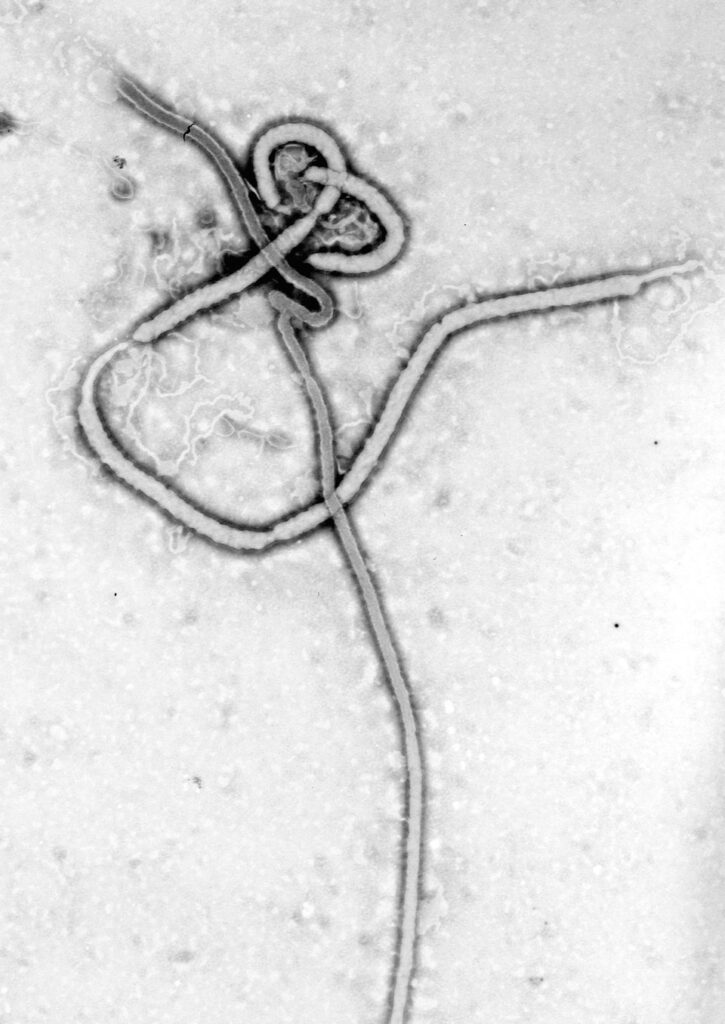
What makes this outbreak particularly dangerous is the strain involved. The Bundibugyo ebolavirus, one of six known species of Ebola, has no approved vaccine or specific treatment. While vaccines exist for the more common Zaire ebolavirus — the strain responsible for the devastating 2014-2016 West Africa epidemic — scientists have not yet developed one that works against Bundibugyo. Clinical trials for candidate vaccines are underway, but they remain experimental.
The World Health Organization declared the outbreak a Public Health Emergency of International Concern in May, its highest alert level. At the time, there were roughly 246 suspected cases. The count has more than doubled in three weeks.
Compounding factors
Containment efforts face severe obstacles. The outbreak is concentrated in Congo’s Equateur Province and North Kivu region, areas with limited road infrastructure, weak health systems, and active armed group violence that complicates the work of contact tracers and vaccination teams.
International aid cuts have also taken a toll. The Trump administration’s sweeping reductions to USAID and global health programs have reduced the resources available for outbreak response. The US was historically the largest donor to Ebola preparedness and response efforts.
Community distrust is another factor. Eastern Congo has experienced multiple Ebola outbreaks since 2018, and some residents are skeptical of foreign medical teams. Attacks on health workers during previous outbreaks — including the murder of a WHO doctor in 2019 — remain fresh memories.
The WHO’s director-general, Tedros Adhanom Ghebreyesus, has expressed deep concern about the outbreak’s trajectory. In a briefing last month, he warned that the combination of a novel strain, remote geography, and reduced international capacity created “a perfect storm” for an uncontrolled epidemic.
Regional risk
Uganda’s confirmed cases are particularly worrying because they demonstrate the virus has crossed an international border. Uganda shares a long, porous border with Congo’s outbreak zone, and cross-border trade and travel are constant. Previous Ebola outbreaks in Congo have spread to Uganda, most recently in 2022, when Uganda contained a Sudan ebolavirus outbreak after months of effort. The Sudan strain, like Bundibugyo, has no approved vaccine.
The Africa CDC has called for urgent international support, warning that without a rapid scale-up of funding and personnel, the outbreak could reach urban centers where containment becomes exponentially harder. So far, the international response has been slow, with many donor governments focused on the Middle East crisis and the war in Ukraine.
A familiar pattern of neglect
The global pattern during Ebola outbreaks is well established. International donors pledge funds, WHO deploys experts, and health workers on the ground do the hard work of contact tracing and safe burials. But the response is almost always reactive rather than preventive. By the time the world takes notice, the virus has already gained momentum.
The 2014-2016 West Africa outbreak killed more than 11,000 people before it was brought under control. The 2018-2020 Kivu outbreak in eastern Congo killed nearly 2,300 and was declared a public health emergency only after it had spread to a major city. The current outbreak is following a similar trajectory.
What is different this time is the strain. Bundibugyo ebolavirus was first identified in Uganda in 2007 during an outbreak that killed 37 people. It reappeared in Congo in 2012. Each time, it was contained before it could spread widely. But the virus has never been tested against the kind of population movement and urban density that characterizes the current outbreak zone.
Congo’s Equateur Province includes Mbandaka, a city of more than one million people on the Congo River. If the virus reaches Mbandaka’s crowded riverside neighborhoods, containment becomes a different operation entirely. River transport connects Mbandaka to Kinshasa, a megacity of 17 million, in a matter of days.
The outbreak now demands a level of international mobilization that has not yet materialized. Whether it arrives before the virus reaches Kinshasa will determine whether this becomes another contained outbreak or the worst Ebola epidemic in years.