

The bomb went off in Cúcuta six days before Abelardo de la Espriella takes office. Call it the first answer to an ultimatum that has not been issued yet. The president-elect has not been sworn in and has not ordered the bombing campaigns, the mega-prisons or the month-long surrender ultimatum he promised Colombia’s guerrillas and drug cartels. He takes office on August 7, but the violence he promised to end has already started answering him.
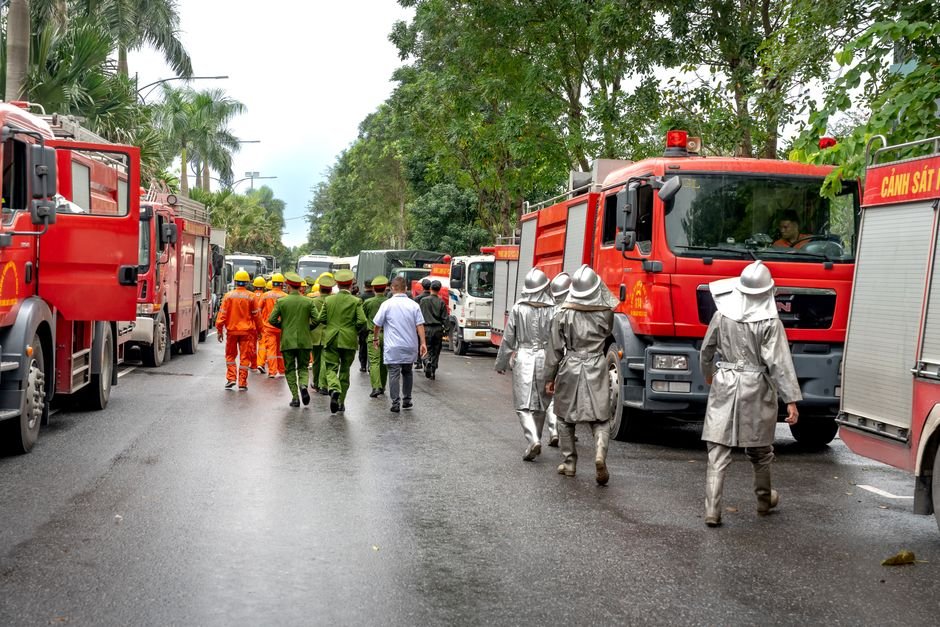
The attack was simple and old-fashioned. A truck packed with explosives detonated next to a police station in Cúcuta, in the department of Norte de Santander on the Venezuelan border, overnight from Friday to Saturday. At least 11 people were injured: eight police officers and three civilians, according to George Quintero, the region’s security secretary. AFP reporters at the scene saw the truck in flames and the facades of nearby buildings torn open. The authorities have offered a reward of more than $32,000 for information on whoever did it. No group has claimed the bombing. The bomb hit the police, the institution at the center of the crackdown the new president has promised, in a city that has been a front line of this war for years. Cúcuta sits on a border that guerrillas and cartels both use, and everyone in Norte de Santander knows what that means.
Espriella condemned the attack and said terrorism would not intimidate Colombia.
He is the far-right, pro-Trump lawyer who won Colombia’s presidency on a security platform, and his inauguration is a deliberate statement. The ceremony normally takes place at the Congress in Bogotá. Espriella asked for Cali, in the southwest, close to the clashes between drug-trafficking gangs. He wants his oath of office taken in the war zone he promised to win.
His program reads like a translation of Bukele and Noboa, the presidents of El Salvador and Ecuador whom he openly admires. A one-month ultimatum for all criminals to surrender. Massive bombing campaigns against the cartels. Mega-prisons to hold what the bombs do not kill. He is supported by the United States, which has its own history of telling Colombia how to fight this war, and he has promised to scrap the peace negotiations that Gustavo Petro, the outgoing left-wing president, had been conducting with armed groups.
The timing is everything. Colombia is the world’s largest cocaine producer, and the violence is the worst it has been in a decade, after years of negotiation with the ELN and other groups collapsed. The election campaign that brought Espriella to power was itself a war: bombs, explosive-laden drones, attacks on security forces. In 2025 a right-wing presidential hopeful, Senator Miguel Uribe Turbay, was shot dead at a rally in Bogotá. Espriella has said repeatedly that a plot to assassinate him exists, and guerrillas have already issued their warnings to the man who plans to end the talks.
Experts who study Colombia’s sixty years of armed conflict say the crackdown will not end the violence; it will escalate it. The country has heard the iron-fist speech before, from both sides of its politics, and the guns did not listen. The cartels and the guerrillas have heard it too, and they have the same information the analysts do.
The ultimatum comes on August 7, in Cali. Cúcuta answered it on August 1. The war Espriella promised to win has already decided to fight him first.