

Ukrainian drones hit 38 energy facilities in occupied Crimea and the occupied parts of the Donbas in the first week of July alone, according to the commander of Ukraine’s unmanned systems forces, and the strikes triggered a blackout that the occupation authorities acknowledged across all cities and districts of the peninsula, including Simferopol. The campaign has a name inside the Ukrainian military: the logistics lockdown.
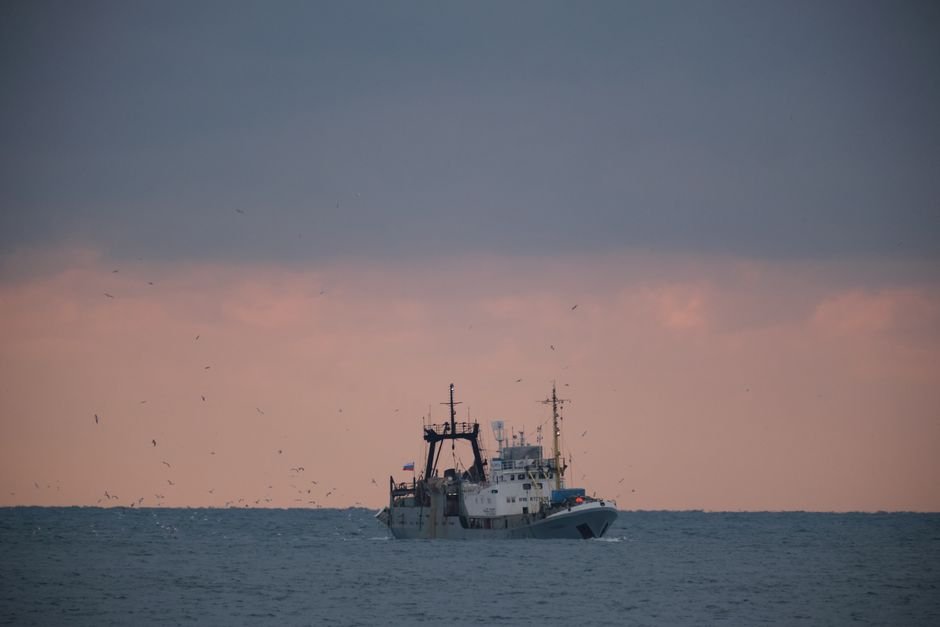
The targets include electrical substations, among them the 330-kilovolt Simferopol substation that anchors the peninsula’s high-voltage network, fuel depots near the Kerch bridge, airfields, railways and the power grid itself. In June, a Ukrainian strike set fuel tanks ablaze near the Kerch bridge, the only land link between Russia and the peninsula it annexed in 2014. In July, the strikes moved to the ships that carry fuel across the Kerch Strait, an escalation the BBC described as part of the same self-declared lockdown aimed at choking off supplies and routes into and out of occupied Crimea.
Crimea is Russia’s rear base for the southern front. Everything the Russian army needs in the south, or for the defense of the peninsula itself, passes through Crimea: fuel by ship and rail, ammunition, reinforcements, air power from its airfields. The Kerch bridge is the chokepoint on the land side; the power grid is the chokepoint on the civilian side. Cut the fuel, cut the power, cut the rail, and the occupation becomes a fortress with an empty pantry.
The human cost is real and deliberate. Blackouts across the peninsula mean hospitals running on generators, water pumps failing, families in the dark in the middle of summer. Russia’s occupation authorities have promised repairs, and the strikes keep coming. Ukraine is trying to make the occupation of Crimea so expensive, so uncomfortable and so unreliable that Moscow has to choose between pouring ever more resources into a peninsula that keeps losing power, or negotiating.
The campaign is part of a larger 40-day strategic operation authorized by President Zelensky and led by the Security Service of Ukraine, aimed at increasing pressure on Moscow through attacks on military facilities, defense industry sites, logistics hubs and critical energy infrastructure that supports the war effort. Crimea is the most visible target in that operation because it concentrates so much of Russia’s logistics in one place: a peninsula, connected to the mainland by one bridge, one railway and a set of cables.
There is no sign the pressure is working yet in the way Kyiv hopes. Russia has absorbed months of strikes on its energy infrastructure across the country and kept fighting. But Crimea is not the Russian heartland. It is an occupied territory whose supply lines are long, exposed and now under continuous attack. The blackouts may not end the war, but they change the arithmetic of it. Every darkened city on the peninsula is a reminder to Moscow that annexation does not come with a guarantee of electricity. Ukraine cannot retake Crimea with drones alone, but it can make the peninsula a liability instead of a prize. That is the strategy.