

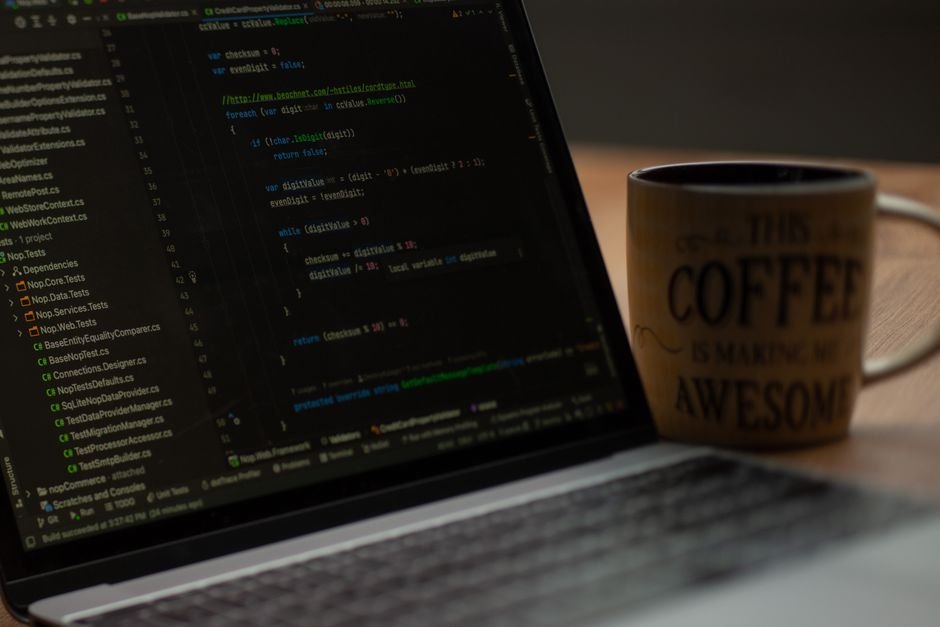
A growing number of software developers and startup founders report that AI coding tools such as Claude Code, Codex and OpenClaw are triggering patterns that look a lot like addiction, with sleepless nights, cognitive overload and burnout becoming widespread.
The phenomenon, sometimes called “AI brain fry,” has drawn attention from researchers at Boston Consulting Group and the University of California, Riverside. A BCG study of 1,488 US workers found that using AI tools with high oversight requirements increased mental effort by 14 percent, mental fatigue by 12 percent and information overload by 19 percent. The study also found that using four or more AI tools caused productivity to drop, contradicting the marketing promise of unlimited gains.
Prominent tech figures have shared personal struggles publicly. OpenAI co-founder Andrej Karpathy said on the No Priors podcast that he has been in a state of “AI psychosis” since December 2025, spending 16 hours daily directing agent swarms and feeling “extremely anxious” when monthly token allowances go unused. Y Combinator CEO Garry Tan described his own condition as “cyber psychosis,” staying awake for 19-hour stretches.
Rootly co-founder Quentin Rousseau said he suffered months of insomnia after switching to agentic coding and eventually needed prescription sleeping pills. He described AI coding tools as functioning “like slot machines” — you input a prompt and wait for the output, but agents sometimes fail completely, creating a compulsive input-reward cycle.
The problem is compounded by unrealistic managerial expectations. Bloomberg reported that AI coding agents are fueling a “productivity panic” across the tech industry, where managers who read optimistic press releases now expect dramatically faster output. Harvard Business Review published research arguing that AI does not reduce work but intensifies it — the work transforms into reviewing AI-generated output, correcting subtle errors and managing the cognitive load of code written by someone else.
A UC Berkeley study of experienced open-source developers found that those using AI coding assistants were 19 percent slower than those working without them. The overhead of reviewing, verifying and correcting AI-generated code often exceeded the time saved by the initial generation.
The pattern is particularly acute in startups, where the pressure to ship quickly meets the addictive loop of AI-generated code. Developers report losing the ability to write code without assistance, feeling that manual coding has become “daunting and slow” by comparison.
Sources: Claude coding addiction and why it can lead to startup burnout (TechRadar, June 30, 2026); “They operate like slot machines”: AI agents are scrambling developers’ brains (Axios, April 4, 2026); AI Brain Fry: The Developer Dependency Crisis (Noqta, April 5, 2026)