

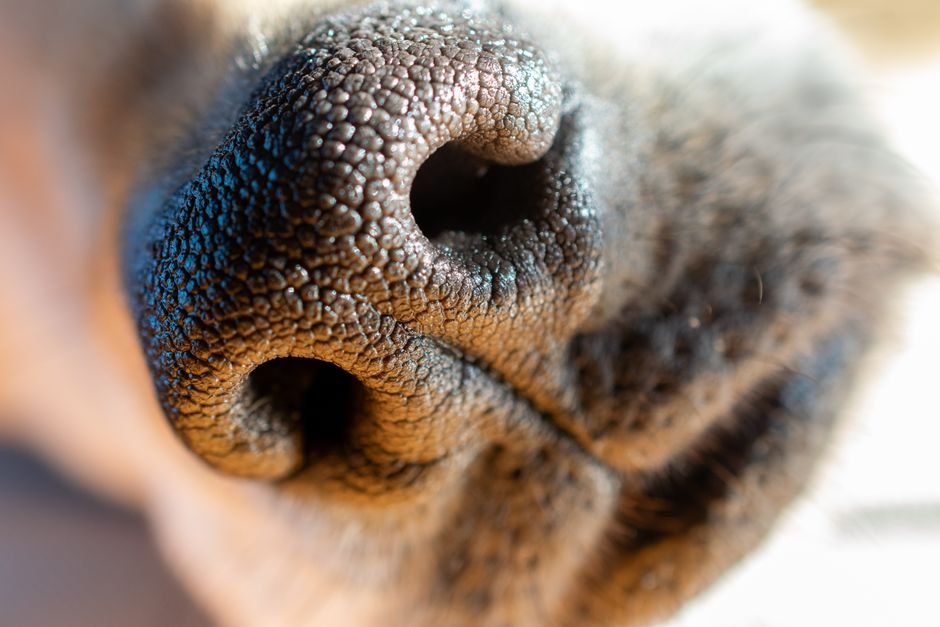
The sense of smell has been called “the bestial sense”, Paul Broca’s 19th-century dismissal that, according to researchers, led to decades of scientific neglect. But the experience of millions who lost their sense of smell during the COVID-19 pandemic has changed that. Of roughly 780 million reported COVID-19 cases globally, approximately 60 percent experienced smell loss, according to a 2023 survey in The Laryngoscope.
A feature article published in Ars Technica (republished from Knowable Magazine) by Victoria Clayton traces the emerging science of anosmia, the complete or partial loss of the sense of smell, and the growing recognition that it is far more than a quality-of-life inconvenience.
A hidden epidemic
Up to 22% of the general population lives with some form of smell impairment, the article reports. Data from the U.S. National Health and Nutrition Examination Survey shows that approximately 3 percent of Americans have complete anosmia or severe hyposmia, rising steeply with age: 4 percent of people aged 40-49, 13 percent of those aged 60-69, and 39 percent of those aged 80 and older. Men are affected more than women at all ages.
The causes are remarkably varied. The article lists 139 neurological, physical, and congenital conditions associated with smell disorders, from alcoholism to Zika virus and Guillain-Barre syndrome. The most common triggers are viral infections (including COVID-19, but also common colds), head trauma, allergies, sinus infections, and neurodegenerative diseases.
The olfactory system’s unique vulnerability
The olfactory bulbs, the brain’s first relay station for smell signals, sit directly on the base of the skull, making them uniquely vulnerable to injury from head trauma, viral invasion, and environmental toxins. But they are also among the few adult brain regions that generate new neurons throughout life. This neuroplasticity offers a therapeutic opportunity.
The most evidence-backed intervention is olfactory training: sniffing four scents (typically lemon, rose, clove, and eucalyptus) twice daily for 12 to 16 weeks. A 2024 meta-analysis found “notable and statistically significant positive impact” from training, with approximately 30 percent of patients showing clinically meaningful improvement. Adding a steroid sinus rinse raises the improvement rate to roughly 50 percent.
The training has benefits beyond smell. In adults aged 55 and older, it has been shown to improve semantic verbal fluency and working memory, and to reduce depressive symptoms.
The emerging treatment landscape
More advanced therapies are in development. Stanford’s Dr. Zara Patel is conducting clinical trials of platelet-rich plasma (PRP) injections into the nasal cavity. A January 2026 report found that 63 percent of patients achieved complete recovery after two weeks of transcranial electrical stimulation. Researchers are also exploring vagus nerve stimulation and, further in the future, olfactory implants.
“The longer you go [without treatment], the less likely you are to benefit from anything,” Patel told the article.
The article profiles Chrissi Kelly, who lost her sense of smell 14 years ago after a viral infection and spent two years doing intensive olfactory training in the Austrian Alps before regaining some function. She went on to found two nonprofit patient groups, AbScent, and has co-published more than 30 scientific papers on anosmia.
The cognitive connection
Smell loss is also one of the earliest signs of neurodegenerative disease. In Parkinson’s disease, toxic alpha-synuclein proteins may accumulate in the olfactory bulbs years, even decades, before affecting the substantia nigra and causing motor symptoms. Olfactory testing is being explored as an inexpensive, non-invasive screening tool for early neurodegeneration.
“Because smell signals bypass the thalamus and directly reach the amygdala and hippocampus, the brain’s emotion and memory centers, odors have a uniquely powerful ability to trigger memories and emotions,” the article notes. This direct pathway may explain why smell loss is so psychologically distressing for many patients.
For the millions affected, the growing attention to anosmia, after centuries of neglect, is beginning to yield real therapeutic options.