

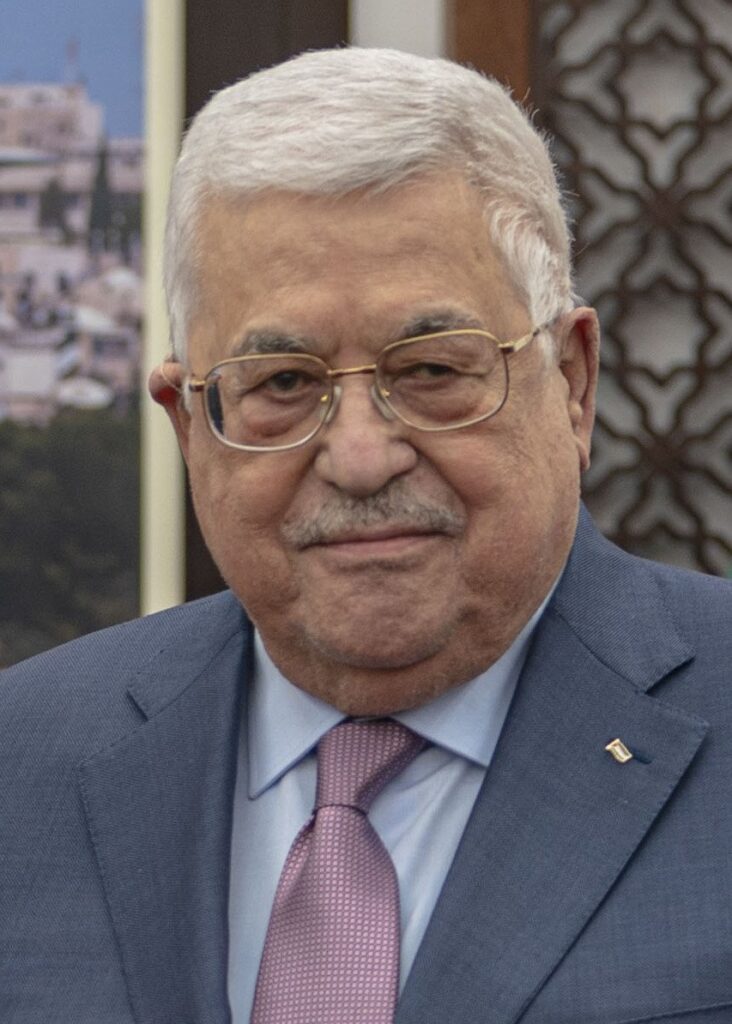
After 21 years without a presidential vote, Mahmoud Abbas has decreed elections for early 2027, but the timing, the electoral rule changes, and his silence on his own candidacy have fueled deep skepticism across Palestinian factions and civil society.
Palestinian Authority President Mahmoud Abbas, 90, issued a presidential decree on June 14 calling for presidential elections in early 2027 and legislative elections in November 2026, the official Palestinian news agency Wafa reported. The announcement marks the first formal electoral timeline Abbas has set since he canceled the long-promised 2021 vote, which would have been the first Palestinian election in 15 years.
Abbas was elected president in January 2005 following the death of Yasser Arafat. His four-year term expired in 2009, but no presidential election has been held since. For 17 years, Abbas has governed by decree, a stretch of uninterrupted rule that critics call an erosion of Palestinian democratic institutions.
The decree did not specify whether Abbas intends to run for another term. His office offered no comment on his candidacy, leaving observers to parse the implications of a succession race that could reshape Palestinian politics at a moment of extreme volatility.
Under the new electoral calendar, Palestinians will first vote for the Palestinian Legislative Council in November 2026. Alongside the election decree, Abbas issued amendments to the General Elections Law, expanding the PLC from 132 to 200 seats, lowering the electoral threshold for winning seats to 1 percent, and raising the minimum number of candidates on each electoral list from 16 to 20. These changes, announced without consultation with Fatah rivals or civil society groups, have drawn accusations that Abbas is reshaping the rules to favor loyalists and fragment opposition blocs.
This is not the first time Abbas has announced an election only to reverse course. In January 2021, he decreed parliamentary and presidential elections for later that year, raising hopes of a democratic opening. But in April 2021, he postponed the vote indefinitely, citing Israel’s refusal to guarantee voting in occupied East Jerusalem. Many analysts at the time suspected the cancellation was also motivated by Fatah’s fear of losing to Hamas, which had won the last parliamentary elections in 2006 and violently seized control of Gaza the following year.
The shadow of that Fatah-Hamas schism looms over the 2026-2027 electoral timetable. Hamas has not formally responded to the decree, but the movement has consistently demanded inclusive national elections as part of any reconciliation process. The Gaza war, which began with the Hamas-led attack on southern Israel in October 2023 and has devastated much of the Strip, has only deepened the chasm between the two factions. Holding free and credible elections across both the West Bank and Gaza, where Hamas remains the de facto authority, would require a level of coordination that currently does not exist.
Potential candidates are already being discussed in Palestinian political circles. Marwan Barghouti, a Fatah leader serving five life sentences in an Israeli prison, has emerged as a powerful symbol of resistance and a unifying figure across Fatah’s fractured base. Opinion polls consistently show Barghouti as the most popular potential presidential candidate, far ahead of Abbas and any Hamas figure. Whether Israel would permit Barghouti to run, or whether a campaign from prison is even viable, remains an open question.
Other possible contenders include former Fatah strongman Mohammed Dahlan, who lives in exile in the United Arab Emirates, and senior Hamas figures such as Ismail Haniyeh or Yahya Sinwar, though Hamas participation would depend on security conditions and political agreements that are nowhere near finalized.
International reaction has been cautious. The United States and European Union, which classify Hamas as a terrorist organization, have called for elections to be free, fair, and inclusive but have offered no concrete support mechanisms. Arab states, including Egypt and Saudi Arabia, have privately urged Abbas to follow through this time, aware that another canceled vote would further erode the Palestinian Authority’s already shaky legitimacy.
On the ground, the mood is skeptical. Many Palestinians see the decree as a tactical move by an aging leader to manage succession on his own terms rather than a genuine democratic opening. The Palestinian Center for Policy and Survey Research has documented a steep decline in public trust in the Palestinian Authority and its institutions, with majorities in both the West Bank and Gaza expressing a desire for new leadership.
If the elections actually take place, they will be the first Palestinian presidential vote in over two decades, held in the shadow of a devastating war, a fractured national movement, and an occupation that controls the movement of people, goods, and ballots in East Jerusalem. If they do not, the announcement will join a long list of canceled decrees and broken promises that have defined Palestinian political life under Abbas.
Either way, the decree has opened a door, however cautiously, that has been sealed since 2005. What walks through it will depend on forces far beyond the pen of a 90-year-old president in Ramallah.