

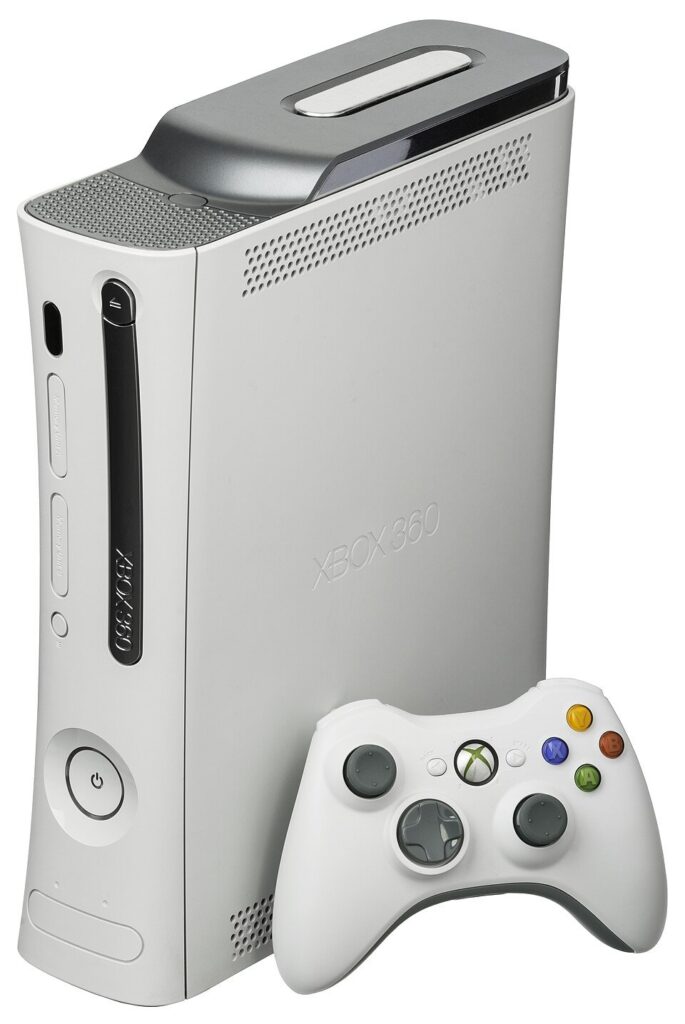
‘This Cannot Continue’: Xbox Leadership Lays Out Hard Truths Behind Sagging Brand
The new leadership of Microsoft’s gaming division has issued the most candid acknowledgment of crisis in Xbox’s history. In a memo published on June 10, Xbox CEO Asha Sharma and chief content officer Matt Booty told employees that the division’s profit margin has fallen to roughly 3 percent and warned that the current trajectory cannot continue.
The memo, titled “Next 100 Days: XBOX Reset” and posted publicly on Xbox Wire, laid out five “realities we need to navigate.” Together they paint a picture of a division that has spent over $20 billion in five years on content, platform development, and hardware subsidies, yet has seen annual revenue decline by nearly $500 million over the same period. The situation raises questions about whether Microsoft’s ambitious gaming strategy is working.
### Five Hard Truths
First, Xbox competes not just with PlayStation and Nintendo but with all forms of entertainment. The memo notes that over 1 billion players engage with the platform annually, logging 72 billion hours of play, but that attention is more fragmented than ever.
Second, the division will end fiscal year 2026 with a profit margin of approximately 3 percent, far below Microsoft’s target of 30 percent. “Going forward, this cannot continue,” the memo states.
Third, hardware component costs have risen sharply. Console storage component prices have more than doubled since Sharma became CEO in February and then doubled again. By the 2027 holiday season, costs are projected at over five times the level from two years earlier. Memory costs have followed the same pattern. The memo says these increases have hit Xbox harder than its competitors, and that the company is “currently unable to make as many consoles as players want to buy.”
Fourth, the studio system is overextended. Microsoft expanded aggressively through acquisitions, spending $69 billion on Activision Blizzard and $7.5 billion on ZeniMax Media, but the memo acknowledges that the company has “not adequately funded” its “industry-defining franchises.” The result is a reversal of strategy: after years of putting Xbox games on PlayStation and Nintendo platforms, the memo declares that exclusive content is “critical to our success.”
Fifth, the underlying platform infrastructure is overly complex, with hundreds of dependencies and excessive reliance on third-party vendors. The division plans to rebuild its technology stack.
### The Numbers Behind the Crisis
The memo’s warnings are backed by data that has been visible in Microsoft’s financial reports for quarters. Gaming revenue in the latest quarter was $5.3 billion, down 7 percent year over year. Xbox hardware revenue fell 33 percent. Content and services revenue declined 5 percent.
Game Pass, once the centerpiece of Xbox’s strategy, has lost millions of subscribers after a price increase that raised the cost of Game Pass Ultimate from $19.99 to $29.99 per month in October 2025. The division’s chief strategy officer, Matthew Ball, confirmed the subscriber losses publicly on June 9.
Market share figures paint an even starker picture. Sony has sold approximately 77.8 million PS5 consoles. Industry estimates put Xbox Series X and S sales at roughly 30 million units, a ratio of more than five to one in Sony’s favor. Microsoft no longer discloses its hardware sales figures.
### The 100-Day Reset
The memo outlines a four-pillar plan to reverse the decline, centered on what Xbox is calling “Project Helix,” a next-generation console designed to play both Xbox and PC games. The strategy appears to borrow from the Valve Steam Machines concept, with Microsoft lending the Xbox brand to third-party manufacturers such as Asus, which recently released the ROG Xbox Ally.
On the content side, Xbox has announced Gears of War: E-Day for 2026 and Clockwork Revolution for 2027 as flagship exclusives. The company has committed to “signature exclusives every year,” a direct response to criticism that its biggest titles have been available on competing platforms.
On services, Game Pass pricing has been adjusted downward after the subscriber losses. Call of Duty: Modern Warfare 4, the first major Activision title to launch after the acquisition, will not be available on day one for subscribers, reversing a previous policy.
### Leadership and Layoffs
Sharma became CEO of Microsoft Gaming in February 2026 after Phil Spencer’s retirement. The leadership transition also saw the departure of Xbox president Sarah Bond. Sharma previously ran Microsoft’s CoreAI product division, and before that held executive roles at Instacart.
The reset comes with a human cost. Bloomberg and Reuters reported on June 10 that Xbox plans “significant” staff reductions in July 2026, after the end of the fiscal year, alongside major cuts to marketing budgets. The company has not confirmed the size of the expected layoffs.
The division has also been rebranded. The “Microsoft Gaming” label introduced under Spencer has been scrapped, replaced by the all-caps “XBOX.” Employees are being assigned @xbox.com email addresses. The symbolism is unmistakable: a return to the brand’s roots, even as the business searches for a future that works.
Sources: Ars Technica (June 11, 2026); Xbox Wire (June 10, 2026); Variety (June 10, 2026); GeekWire (June 11, 2026); Bloomberg / Reuters (June 10, 2026)