

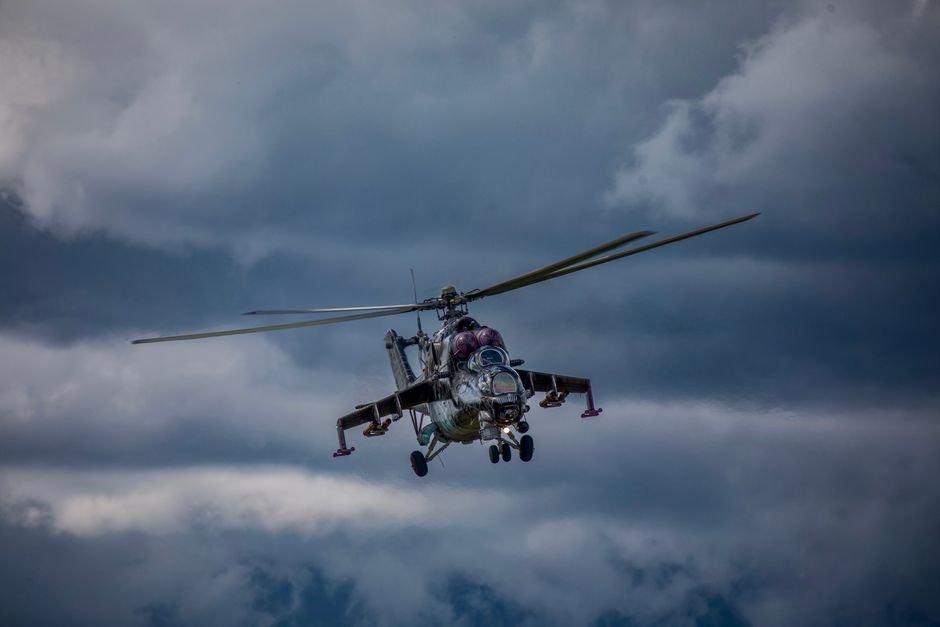
The numbers are significant. NATO allies pledged €70 billion in military aid for Ukraine at their summit in Ankara on July 8. Spread across two years, that is €140 billion, around $160 billion. European leaders called it a historic show of unity.
A closer look reveals a different story.
At least 40 percent of the €70 billion is not new money. It includes €28.3 billion already committed by the European Union through a €90 billion Ukraine Support Loan agreed in April. What the alliance calls a fresh pledge is in large part a repackaging of existing commitments.
What matters is who is paying. For the first time since the war began, the United States is contributing nothing. The pledge is denominated in euros, not dollars, a break with NATO convention that signals a shift underway for months. Europe is now the primary bankroller of Ukraine’s defense.
Germany is the largest single donor, committing €11.5 billion for 2026 alone.
The summit declaration contains three separate references to “European allies and Canada”, NATO language that effectively means the alliance minus America. The subtext is hard to miss.
Trump’s transactional diplomacy
President Donald Trump appeared alongside Ukrainian President Volodymyr Zelenskyy in what both sides described as a friendly meeting. The warmth was a dramatic turnaround from their shouting match in February 2025.
But Trump’s public comments told a more complicated story. He praised what he called “peace progress” and said both President Vladimir Putin and Zelenskyy want the war to end. “I think we’re getting much closer than people realize,” he told reporters.
The substance of Trump’s offering was a proposal to let Ukraine manufacture Patriot missile systems under a US license.
“One of the things we’re going to be talking about is, you’ll — we’re going to give a license to you to make Patriots,” Trump told Zelenskyy. “That’s pretty cool, right?”
He added: “This way he can’t complain that we’re not giving him enough. I said, ‘Make them yourself.'”
But Trump acknowledged that Raytheon, the manufacturer, had not been informed about the plan. And he said the US would not provide Patriot interceptors during the production ramp-up, citing American shortfalls. “We have Patriots, but we don’t have that many. We need them for ourselves, too,” he said.
The timing matters. Ukraine’s air defenses had run out of US-made Patriot interceptors entirely by early July. Russia exploited the gap with concentrated ballistic missile barrages on Kyiv, killing at least 26 people on July 6. Zelenskyy had been pushing for the license for weeks.
“We need to find a way to get as quick as possible, as much as possible, missiles for Patriot systems,” Zelenskyy said at the summit’s Defense Industry Forum. “This is the most important thing.”
What the pledge actually covers
The NATO declaration says the €70 billion will fund “military equipment, assistance and training.” It does not cover humanitarian or budget support.
European allies and Canada increased defense investments by $139 billion in 2025. NATO announced an additional €50 billion in new defense procurements, with Secretary General Mark Rutte focusing the summit on ramping up industrial production and eliminating defense trade barriers.
Yet the underlying math raises questions. Italy pushed back against committing to a two-year fixed target before eventually approving the deal. And the pledge comes as Europe faces its own economic pressures, high energy costs, inflation, and the fallout from the US-Iran conflict in the Gulf.
A new European order
The Ankara summit confirmed what many analysts had predicted: the era of American-led military support for Ukraine is over. Trump has made clear Ukraine is a European problem. The NATO pledge, denominated in euros and paid mostly by European capitals, reflects that reality.
The question is whether Europe can sustain the effort. €70 billion a year is a large sum for a continent that has spent decades underfunding its own defense. And the war shows no signs of ending. Trump’s optimism about peace talks is not shared by European intelligence agencies, which assess that Russia is preparing for a prolonged campaign.
Zelenskyy put it plainly in his summit address: “We all value the Patriot system. It’s an excellent system. But today’s wars have shown current Patriot production is not enough to meet the growing demand for protection against ballistic missiles. That is a fact.”
The license to produce Patriots is a step forward. But a license is not a weapon. Until Ukraine can actually produce the missiles, and until Europe can deliver the funding it promised, Ukrainian cities will remain exposed to Russian barrages. The pledge is real. The gap between pledge and delivery is still wide.