

WASHINGTON, the United States has reinstated economic sanctions on Iranian oil, the Treasury Department confirmed Tuesday, revoking a waiver granted just over two weeks ago after a series of fresh tanker attacks in the Strait of Hormuz attributed to Tehran.
The decision marks a sharp reversal. At the end of June, Washington had suspended its oil embargo on Iran until August 21 under a memorandum of understanding aimed at ending hostilities in the Middle East. That agreement was supposed to restore maritime traffic through the Strait of Hormuz, where commercial shipping has been disrupted since the US-Israeli strikes on Iran in late February.
“The actions of Iran in the strait are totally unacceptable to the United States and will not go unpunished,” a US official told CNN, speaking on condition of anonymity. The Treasury Department issued a document immediately banning “new transactions” of Iranian hydrocarbons.
The attacks that broke the deal
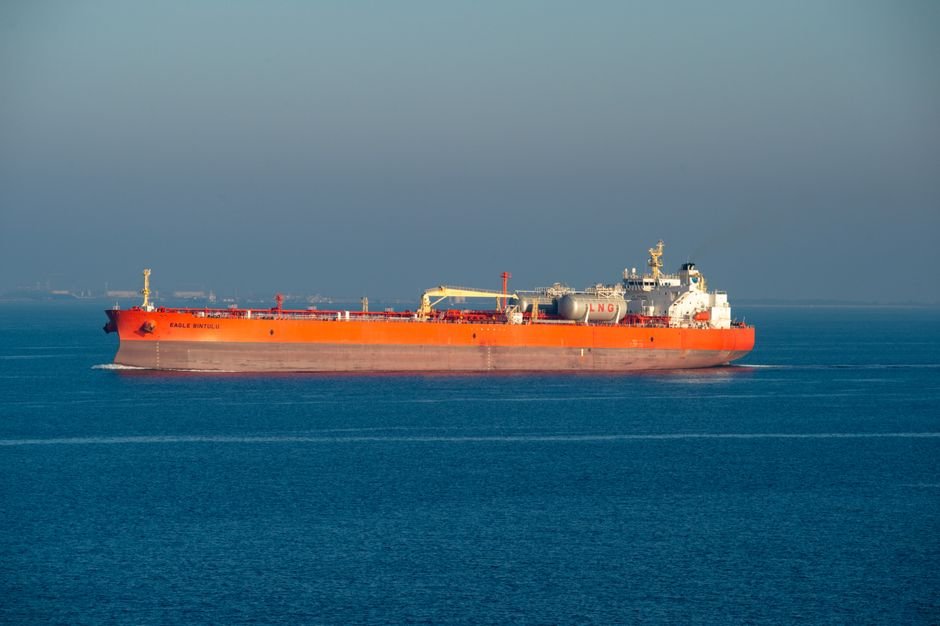
The sanctions waiver unraveled after several vessels were attacked in the strait in recent days, US officials said. The Treasury described Iran’s behavior as “totally unacceptable”, language that signals a return to the maximum-pressure posture that characterized US-Iran policy before the short-lived truce.
The Strait of Hormuz is the world’s most critical oil chokepoint. Roughly 20 percent of the world’s oil and about a third of its seaborne liquefied natural gas passes through the narrow waterway. Since the US-Israeli strikes on Iran on February 28 triggered Tehran’s retaliation, commercial traffic through the strait has been largely halted, with hundreds of vessels stranded in the Persian Gulf.
From suspension to reinstatement
The June sanctions suspension was part of a broader diplomatic push. Washington had sought to ease global energy prices and create conditions for a ceasefire. The memorandum of understanding with Iran envisioned a phased de-escalation: sanctions relief in exchange for a halt to attacks on shipping and a return to negotiations.
It lasted two weeks.
The reinstatement means Iranian oil exports, which had briefly been given legal cover, are again subject to US enforcement. Given that China has been the primary buyer of Iranian crude, the practical effect depends on Washington’s willingness to enforce the sanctions against Chinese buyers, a question that remains open.
Oil markets react
The reimposition of sanctions is expected to push oil prices higher. After the June suspension, prices had eased slightly from the peaks reached during the worst of the Hormuz crisis. The reversal puts that trend in reverse.
Analysts at ING estimated the earlier suspension had freed up roughly 1.5 days of global oil demand. The reinstatement closes that window, tightening supply at a moment when energy markets are already strained by the ongoing US-Iran conflict and the disruption of shipping through the strait.
No good options
The quick collapse of the June agreement underscores the difficulty of any diplomatic track with Tehran while the Strait of Hormuz crisis continues. Iran has demanded an end to US-Israeli military operations and the lifting of all sanctions as a condition for restoring safe passage. Washington insists on a halt to attacks on shipping as a precondition for talks.
Neither side has budged. The result is a standoff that keeps the world’s most vital energy artery effectively closed, and the oil markets guessing.
Sources: Franceinfo / AFP (July 7, 2026), The Hill (July 7, 2026), CNN