

Netanyahu Confirms He Will Run in Israel’s October Election
Netanyahu confirms he will stand in Israel’s October election, pushing back against US doubts about his political future
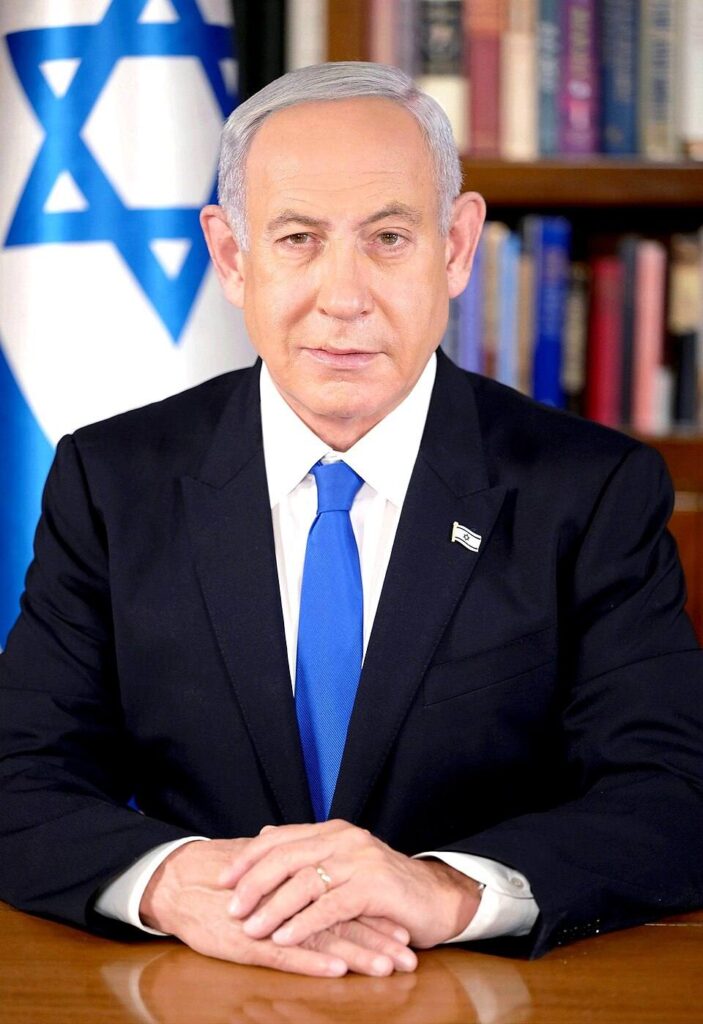
Benjamin Netanyahu plans to run again. His Likud party confirmed on Wednesday that Israel’s longest-serving prime minister will stand in the national election scheduled for October 2026, ending a brief period of uncertainty that began when his most important foreign ally publicly questioned whether he intended to continue.
“Prime Minister Netanyahu will run in the next elections and, God Willing, he will win,” the party said on Telegram.
The announcement came two days after US President Donald Trump told ABC News he was not sure whether Netanyahu wanted to stay in politics. “I don’t know, he’s had an amazing career. Does he want to continue?” Trump said. “Because, you know he’s a wartime prime minister.”
The exchange between the two leaders was the latest sign of strain in a relationship that has defined Israeli strategy across three wars. Days earlier, Trump berated Netanyahu in a profanity-laced phone call, according to reports. Netanyahu downplayed the exchange in an appearance on CNBC, but the tension was visible.
Trump’s public skepticism carried weight. He has been Netanyahu’s most critical patron, authorizing military support that enabled Israel’s campaigns in Gaza, Lebanon, and Iran. A withdrawal of that backing would leave Israel exposed. By declaring his candidacy, Netanyahu signaled that he intends to see those wars through on his own terms.
The election must be held by October 27. Netanyahu enters it as the leader of a wartime coalition that has held together through three years of fighting, but faces growing domestic discontent. The wars have stretched Israel’s economy, drained its reserves, and isolated it diplomatically. His corruption trial continues. His health has been a recurring concern: he recently disclosed that surgeons removed a small malignant tumor from his prostate, following hernia surgery in 2024 and a pacemaker implant in 2023.
Opposition figures such as Yair Lapid and Benny Gantz have struggled to present a unified alternative. Neither has managed to translate the public’s war fatigue into a credible challenge. Netanyahu’s Likud held 32 seats after the 2022 election, and while polls show some erosion, no rival bloc has yet assembled a clear path to 61 seats. The fractured opposition works to his advantage, as it has for years.
The military picture is no less complicated. Israel is fighting on three fronts simultaneously: continuing operations against Hamas in Gaza despite a ceasefire in place; pursuing Hezbollah in Lebanon under another shaky ceasefire; and fighting alongside the United States in the war against Iran that has spread across the Middle East. Each front carries political risks. None shows signs of a clean resolution before polling day.
Netanyahu’s calculation appears to be that no credible challenger can unseat him while the wars continue. The opposition remains fractured. His coalition partners, though restless, have nowhere else to go. And the election calendar works in his favor: a vote in late October gives him four months to shape the narrative, claim victories, and present himself as the indispensable leader in a region at war.
But the factors that kept him in power may not survive contact with the ballot box. Israelis have lived through three years of mobilization, rocket fire, and economic disruption. The cost of living is rising. The army is stretched. The international pressure on Israel, including European sanctions on his own ministers, has never been higher.
Trump’s question was blunt. Netanyahu’s answer is that he will stay. What remains to be seen is whether the Israeli electorate agrees.