

ToupTek has detailed the evolution of its StellaVita smart astrophotography controller through the App 2.0 update, marking a transition from a promising but unfinished first-generation product to what the company positions as a mature, dependable field imaging system.
The update, documented through a user story published on June 9, follows the journey of an early adopter who first encountered ToupTek’s ecosystem through the earlier AstroStation controller in early 2024, participated in the StellaVita App 2.0 beta program in early 2026, and eventually built a complete ToupTek imaging rig around it.
Hardware Refinements
The StellaVita controller itself has seen several subtle but meaningful hardware revisions since launch. The label beneath the Wi-Fi icon has been changed from “ToupTek” to “StellaVita,” giving the product a stronger standalone identity. The brand name has been relocated to the side of the device for a cleaner front panel, and the labeling of the four DC power output ports has been reorganized for improved usability.
The device retains its compact rectangular form factor with chamfered edges and a deep matte-black finish accented by silver astronomical engravings. The front panel features a spiral galaxy motif surrounded by constellation outlines — a design choice that balances the technical nature of the equipment with the aesthetic appeal of deep-sky observation.
Software Maturity
The App 2.0 release is the centerpiece of the transformation. The beta tester describes the first-generation software as “somewhat unfinished,” noting that the 2.0 update evolved it into “a practical and dependable system capable of meeting daily imaging needs with ease.”
During a field test in Yunnan, China, the tester spent consecutive nights imaging deep-sky objects with a Sky-Watcher 150/750P Explorer reflector and a ToupTek ATR2600C camera. The StellaVita controller performed reliably throughout, with only minor bugs that “never disrupted the imaging workflow.”
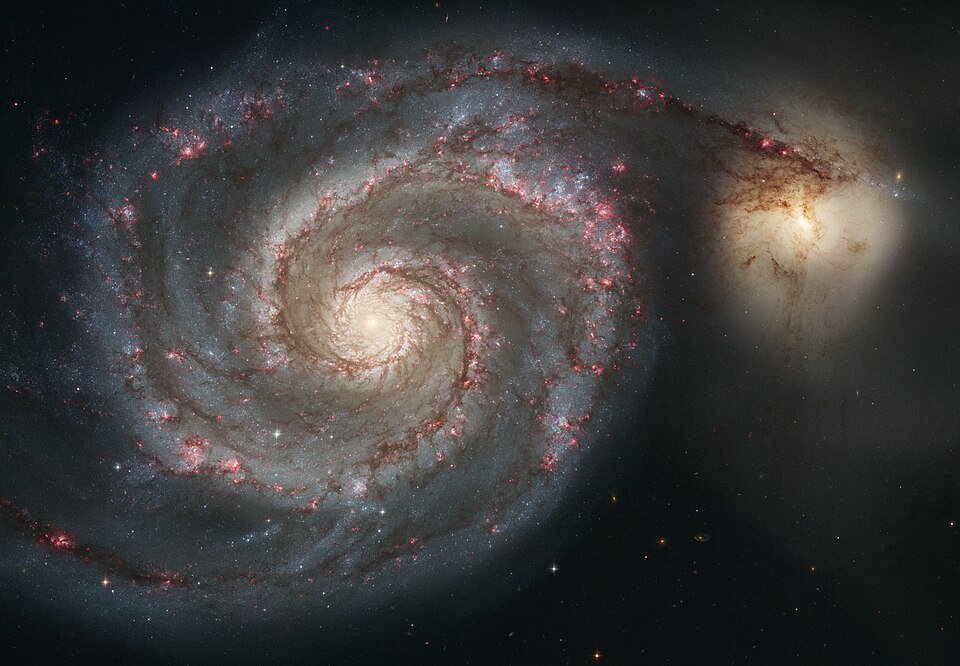
The results include captures of M51 (Whirlpool Galaxy), M42 (Orion Nebula), the Horsehead and Flame Nebulae (IC 434 and NGC 2024), and IC 2177 (Seagull Nebula) — each with 3-4 hours of total integration time through the ATR2600C camera.
Ecosystem Play
The StellaVita story is also about ecosystem lock-in. The user progressed from a single AstroStation controller to adding a ToupTek astronomy camera, an electronic focuser, and accessories — building a complete ToupTek imaging chain. This mirrors a broader industry trend where astrophotography gear makers are shifting from selling individual components to bundling them into integrated smart systems.
For field astrophotographers, the controller’s reliability during multi-night sessions is arguably more valuable than cramming in more features. “For astrophotographers who regularly image in the field, this kind of reliability is often more valuable than an extensive feature list,” the tester notes.
The App 2.0 update is available now for existing StellaVita users. ToupTek continues to position the StellaVita ecosystem as a direct competitor to ZWO’s ASIAIR platform and Celestron’s Origin line in the growing smart astrophotography controller market.