

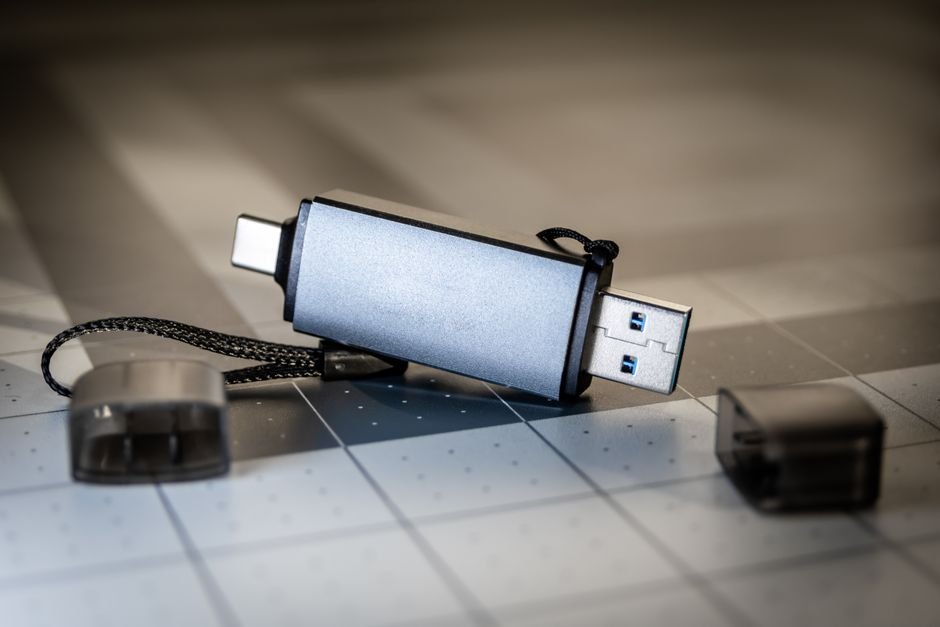
Skyrocketing DRAM prices have driven at least one maker to an extreme workaround: constructing a 64-bit magnetic core memory module from salvaged Russian computer parts and turning it into a working USB drive.
The project, reported by Tom’s Hardware, is a pointed response to the ongoing RAMpocalypse — a prolonged period of high memory prices driven by AI chip demand, HBM production shifts, and constrained DRAM supply that has pushed consumer memory costs well above historical norms.
The maker built the device using hand-threaded magnetic rings submerged in silicon oil, salvaged from an old Russian computer. The rings were assembled using soldering irons, CNC machining, and 3D-printed components. The result is 64 bits of storage — 8 bytes total — interfaced to USB via a Raspberry Pi Pico microcontroller mounted on the back of the board.
To put that in perspective, a single MP3 file would require roughly two megabytes, or about 250,000 times the capacity of this drive.
The project is a deliberate anachronism. Magnetic core memory was the dominant form of random-access memory from the 1950s through the early 1970s, used in systems including NASA’s Apollo Guidance Computer and the IBM System/360 mainframes. Each bit was stored as the magnetic polarity of a tiny ferrite ring threaded onto a grid of wires — a process that was entirely hand-assembled by workers using microscopes and fine needles, earning core memory the reputation of being among the most labor-intensive components ever mass-produced.
The Apollo Guidance Computer, which landed humans on the Moon, used approximately 72 kilobytes of core rope memory — about 9,000 times more than this USB drive — woven by workers at Raytheon.
The maker’s project follows a broader trend in the DIY community as sustained high memory prices push hobbyists toward alternative storage solutions. Micron, Samsung, and SK hynix have all reported that their production capacity through 2030 is largely pre-committed under long-term contracts, offering little prospect of near-term consumer price relief.
While the 64-bit core memory USB drive is unlikely to replace anyone’s SSD, it serves as a living demonstration of how far memory technology has come — and how far frustrated makers are willing to go when prices climb too high.
Sources: RAMpocalypse pricing prompts maker to construct his own memory using ancient Apollo-era tech (Tom’s Hardware, July 2026); From Apollo to USB: A 64-Bit Magnetic Core Memory Revival