

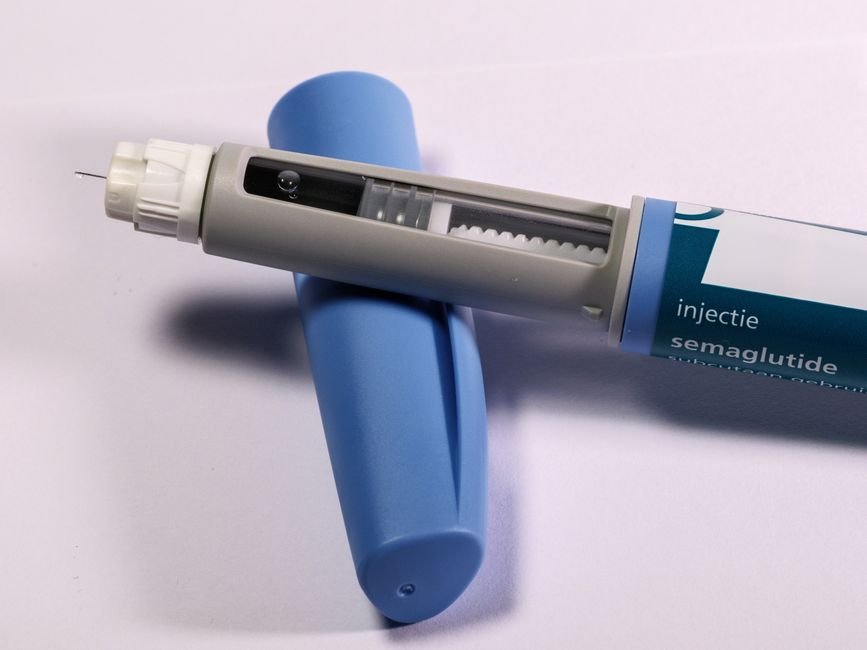
A growing number of Americans are injecting themselves with small chains of amino acids called peptides, synthetic or derived versions of naturally occurring molecules, purchased from online vendors, wellness clinics, and compounding pharmacies. The products are marketed for everything from tissue healing and muscle recovery to anti-aging and weight loss. But for most of these substances, the clinical evidence is thin, the purity is uncertain, and the regulatory status is a patchwork of bans, loopholes, and pending policy decisions.
An investigation published July 4 in Scientific American, reproduced by Live Science, traces the peptide craze from its roots in bodybuilding culture to its current tipping point, where social media influencers, the “Make America Healthy Again” movement, and Silicon Valley biohackers have mainstreamed what was once a niche subculture.
“Drug has a certain stigma or negative connotation attached to it,” said Luke Turnock, a criminologist at the University of Lincoln studying peptide use. “Because it’s ‘natural,’ it is better or different, even though they’re just drugs.”
What are peptides, and who is using them?
Peptides are chains of two or more amino acids, the building blocks of proteins. The human body produces many naturally, including insulin, human growth hormone, and the GLP-1 molecule that drugs like semaglutide (Ozempic, Wegovy) mimic. The gray-market peptides circulating today, among them BPC-157, GHK-Cu, TB-500, KPV, and ipamorelin, are synthetic versions marketed for purposes they were never clinically tested for.
BPC-157, derived from a protein found in stomach acid, is the most popular. It is promoted for tissue healing, blood vessel formation, muscle repair, and inflammation reduction. Yet nearly all research on it comes from rodent studies. Only three small pilot human trials have been conducted. TB-500, often stacked with BPC-157 in the so-called “Wolverine” stack, has even less human data. GHK-Cu exists as an FDA-approved topical cosmetic for anti-aging, but was banned as an injectable due to safety concerns over immune reactions from impurities.
The demographics of users have expanded far beyond bodybuilders. The r/peptides subreddit now draws more than 70,000 weekly visitors. The r/biohackers community has over 600,000 members. TikTok videos demonstrating “stacks”, combinations of multiple injected peptides, receive millions of views. The catalyst, according to the investigation, was the 2022 surge in GLP-1 drug popularity, which normalized self-injection and opened the door to a wider culture of at-home peptide use.
“The dramatic rise in GLP-1 use lowered the barrier for people to consider other injectable peptides,” noted sports medicine researcher Flynn McGuire of the University of Utah.
Regulatory whack-a-mole
In 2023, the FDA banned several peptides, including BPC-157, GHK-Cu, KPV, and ipamorelin, from compounding pharmacies, citing “significant safety risks.” Compounding pharmacies exist in a regulatory gray zone: they are legally permitted to make non-FDA-approved drugs for individual patients with unique needs, but the FDA monitors their active ingredients without formally approving or reviewing the final products.
The bans did not stop the market. Users shifted to online vendors, many sourcing from overseas manufacturers, primarily in China. Products are labeled “for research only”, a designation that carries no regulatory oversight for purity, dosing consistency, or sterility. Some compounding pharmacies continue to offer banned peptides through legal gray areas.
In February 2026, HHS Secretary Robert F. Kennedy Jr. proposed legalizing the compounding of 14 peptides. The FDA has announced a July 2026 meeting with independent advisers to review whether to allow pharmacies to manufacture certain peptides, including BPC-157, TB-500, and KPV.
“Americans deserve to know the quality of the products they are buying,” an HHS spokesperson told the investigation. “They deserve drugs that have been proven to be safe and effective.”
The distinction matters. Compounding does not mean FDA approval. It means the active ingredients are monitored for quality, but the products still lack the clinical trial evidence required for formal drug approval. The proposed policy shift would expand access to substances that have not been proven safe or effective for the conditions they are marketed to treat.
What the evidence actually shows
The gap between marketing claims and clinical data is wide. A review of the research landscape by the investigation found:
- BPC-157: three small human pilot trials; all other evidence comes from rodent studies
- TB-500: even less human data than BPC-157
- GHK-Cu (injectable): safety concerns led to FDA ban; only the topical formulation is FDA-approved
- KPV: minimal human data; used in “glow” stacks
- Ipamorelin and CJC-1295 (growth hormone releasers): little clinical evidence; sometimes stacked with GLP-1s in combinations that have never been studied
No clinical trials have tested the safety or efficacy of the multi-peptide “stacks” that users commonly combine. No data exist on long-term effects of any of these peptides in healthy users.
“There’s not much information out there on the drugs’ effectiveness and even less on their safety,” the investigation states.
The medical establishment responds
Orthopedic surgeon Dr. Omar Rahman of Pacific Coast Sports Medicine told the investigation that the variability in sourcing is the biggest concern: “Patients are accessing peptides through online vendors, wellness clinics and compounding pharmacies.”
Dr. Dan Cushman, a sports medicine specialist at the University of Utah, warned that regardless of the evidence, “people are going to just start trying them.”
The FDA’s July advisory committee meeting may provide clearer regulatory guidance. For now, millions of Americans are injecting substances of unknown purity and unproven efficacy, a natural experiment in self-medication that regulators and clinicians alike are struggling to contain.
Source: Brookshire B. The US is hooked on unregulated peptides. But are they effective, or even safe? Live Science / Scientific American (2026). https://www.livescience.com/health/medicine-drugs/the-us-is-hooked-on-unregulated-peptides-but-are-they-effective-or-even-safe