

After a devastating war and a famine that drew international condemnation, leading Israeli politicians are openly discussing something that was once considered unthinkable: building Jewish settlements in Gaza. The question is no longer whether someone is raising the idea, but whether the political conditions have shifted enough to make it possible.
The Al Jazeera report that led the story captures the moment accurately. After more than a year of war that has killed tens of thousands of Palestinians and reduced large parts of Gaza to rubble, some Israeli political figures see an opportunity. The logic is straightforward: if there are no Palestinians living there, or very few, why not put Israelis in their place? The question shocks many outside Israel, but inside the country it is being debated with increasing seriousness, and that alone marks a shift in what is politically possible.
The settlement movement in Israel has always been driven by a combination of nationalist ideology, religious belief, and opportunism. In the West Bank, the movement has succeeded beyond the expectations of its founders. There are now more than 700,000 Israeli settlers living in the occupied territories, supported by a web of roads, military zones, and legal structures that makes removal all but impossible.
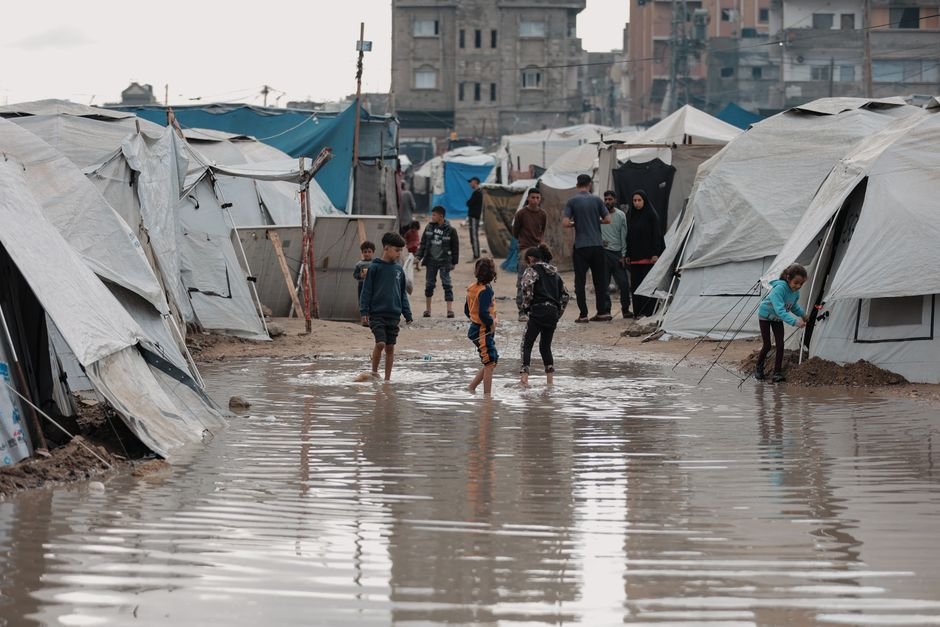
Gaza is different. The territory is smaller, more densely populated before the war, and strategically less attractive to the settlement movement, which has historically focused on the biblical heartland of the West Bank. But the war has changed the calculation. Much of Gaza’s civilian infrastructure has been destroyed. The population has been displaced, with hundreds of thousands fleeing to the south or into Egypt. The question of who will govern Gaza after the war remains unresolved, and into that vacuum, the settlement idea has stepped. The more the status quo seems uncertain, the more the settlement movement sees an opening.
Israeli leaders have been testing the waters. Some have made statements about the right of Israelis to live anywhere in the land of Israel, including Gaza. Others have been more cautious, pointing out that any settlement project would require massive investment, military protection, and would likely trigger a new round of international sanctions.
The international community, including the United States, has historically opposed Israeli settlements in occupied territory as illegal under international law. The Biden administration imposed sanctions on settlement expansion in the West Bank. The Trump administration has been more sympathetic but has not explicitly endorsed settlements in Gaza.
The numbers from the West Bank settlement expansion put the Gaza question in context. In 2025, Israel announced the creation of 22 new settlements in the West Bank, the biggest expansion in decades, despite threats of sanctions from key allies. If the settlement movement could achieve that in the West Bank under a watchful international community, Gaza after a war may look like an open door.
The practical obstacles remain enormous. Gaza would need to be secured militarily. The cost of building housing, infrastructure, and connecting it to Israel proper would be substantial. And the international backlash would be fierce.
But the fact that the question is being asked seriously in Israeli political circles is itself a measure of how much has changed. Before the war, the idea of settlements in Gaza was a fringe position held by a few religious nationalists. Now it is a topic of public debate. That shift, more than any single statement, tells you where the political center of gravity is moving.