

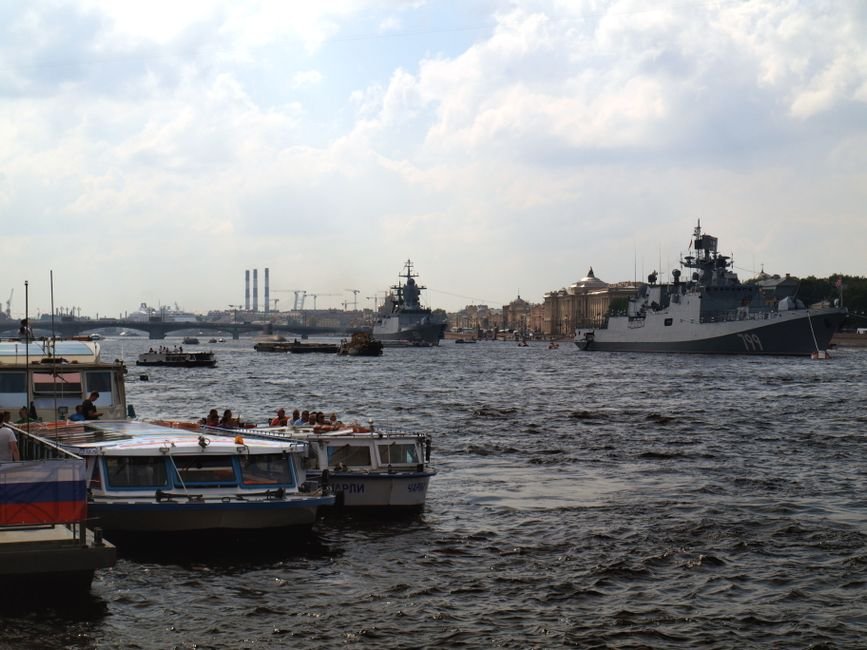
Ukraine has carried out drone strikes against oil and military facilities near St Petersburg, Russia’s second-largest city, expanding the reach of its long-range campaign deeper into Russian territory than ever before. The attack disrupted internet service and flights in the area, according to local officials, as Kyiv continues to demonstrate that no part of Russia is out of range.
The strikes hit an oil terminal and military facilities in the Leningrad region surrounding St Petersburg, approximately 1,000 kilometers from the Ukrainian border. This is not the first time Ukraine has struck near the city. In June, Ukrainian drones hit an oil terminal and a naval base in the area, timed to coincide with Putin’s annual economic forum in the city. But the July 4 attack suggests the campaign is accelerating, not slowing.
The Al Jazeera report that led the story also noted that Russian strikes halted a gas facility in central Ukraine, underscoring the tit-for-tat nature of the energy war that has become a defining feature of the conflict. Both sides are targeting each other’s fuel infrastructure, disrupting supply chains and forcing civilians to bear the cost of a war that shows no sign of ending.
The St Petersburg strikes carry particular symbolic weight. St Petersburg is Putin’s hometown and the cultural heart of Russia. It is also a major port city on the Baltic Sea, home to oil terminals that handle a significant share of Russia’s crude exports. Hitting targets there sends a message that no amount of distance can protect Russian infrastructure from Ukrainian retaliation. It also undercuts the Kremlin’s narrative that the war is something happening elsewhere, in the fields of Donetsk and Kharkiv, far from the lives of ordinary Russians in the country’s European heartland.
Russia’s air defense network around St Petersburg is among the densest in the country, reflecting the city’s political and economic importance as Russia’s second-largest city and a major Baltic port. That Ukraine’s drones have reached the area twice in a month suggests either a gap in coverage or a tactic that Russian defenses have not yet adapted to.
The strikes come at a time when Ukraine is deepening its reliance on domestically produced weapons for long-range operations. The FP-5 Flamingo cruise missile and various drone platforms have proven capable of reaching targets that Western-supplied weapons, with their use restrictions, cannot. The cost advantage is stark: a Ukrainian drone that costs tens of thousands of dollars can shut down an oil terminal that generates millions in revenue. This asymmetry is Kyiv’s most effective counter to Russia’s overwhelming advantage in artillery and manpower, and it requires no approval from Washington or Brussels to operate.
For Russia, the expansion of the drone war to the St Petersburg region creates a new set of problems. The city is a major logistics hub for the Russian military, with rail links connecting it to the front lines. If Ukrainian drones can disrupt operations there, the effect cascades down the entire supply chain. The psychological impact should not be underestimated either. Russia has spent heavily on air defense systems around its major cities, but the fact that drones are getting through suggests the defenses are not as airtight as advertised.
The pattern is now established. Ukraine strikes deeper. Russia adapts. Ukraine finds a new angle. The St Petersburg strikes are the latest chapter in a war that keeps expanding its geography, and there is no reason to believe the next chapter will be any different.