

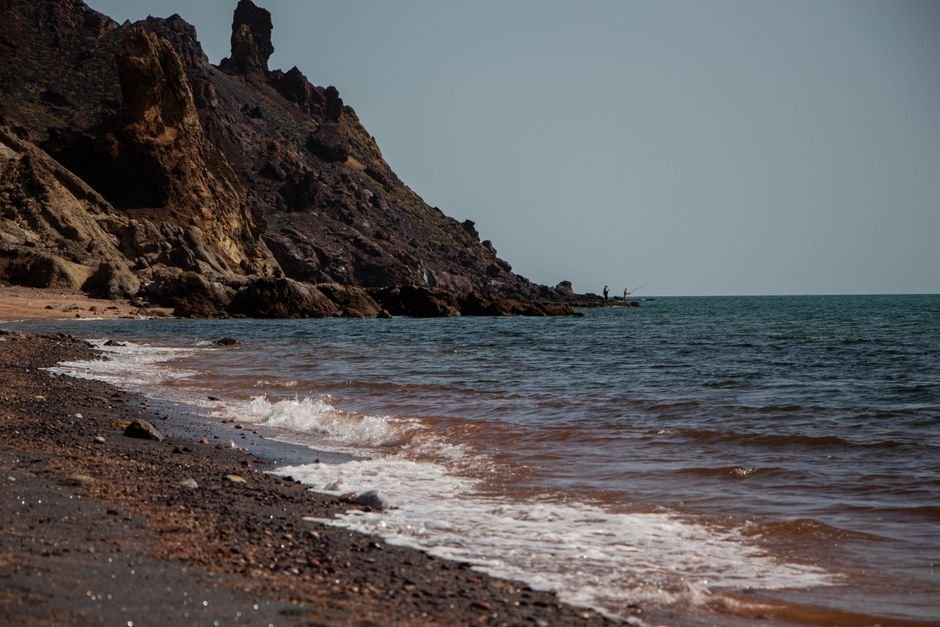
The Strait of Hormuz is the world’s most important oil chokepoint, and Iran still holds the keys. Despite months of US military pressure and negotiations that have produced a preliminary ceasefire agreement, Tehran has not given up its most valuable piece of leverage: the ability to control who passes through the narrow waterway and at what cost.
Iran’s Parliament has moved to formalize a transit toll system for ships crossing the strait. The proposed fee, roughly $2 million per vessel, would apply to commercial shipping passing through Iranian-controlled waters. US and Israeli vessels would remain excluded. The toll is not yet in full effect, but Iran has demonstrated it can enforce the system selectively, escorting Indian tankers along pre-approved routes while denying passage to others.
The numbers behind the toll are striking. Before the war, roughly 138 ships passed through Hormuz each day, carrying about 20 million barrels of oil, or roughly 20 percent of global supply. An Iranian newspaper calculated that a 10 percent toll could generate $73 billion a year. The figure is aspirational, but it reveals the scale of Tehran’s ambition.
For commercial shippers, the toll is not as absurd as it sounds. War risk insurance for a single Very Large Crude Carrier transit had surged to roughly $5 million per trip during the height of the conflict. Charter rates quadrupled. The total additional cost per voyage, including insurance, charter premiums, and routing changes, reached $4 to $6 million. In that context, $2 million for guaranteed safe passage begins to look like a bargain, a price for certainty in an environment where the alternative is often no passage at all.
The toll is also a negotiating card. Iran’s stated demands for a permanent ceasefire include lifting all economic sanctions, obtaining international legal guarantees, and establishing a new legal regime for the strait. The toll gives Tehran something concrete to trade away in exchange for concessions on sanctions relief.
The bypass options are limited. Saudi Arabia has a pipeline from its eastern oil fields to the Red Sea port of Yanbu, capable of handling up to 7 million barrels per day. The UAE has a similar pipeline to Fujairah. Together they cover roughly 8 to 9 million barrels. The gap, approximately 14 million barrels per day, has no alternative route. Iraq, Kuwait, Qatar, and Bahrain have no bypass infrastructure at all.
That dependence is why Gulf states have reacted with such hostility to Iran’s moves. Every barrel that goes through Hormuz under Iranian toll terms is a barrel that acknowledges Tehran’s control over regional energy flows. For Saudi Arabia and the UAE, which have spent decades building alternatives, the toll represents a direct challenge to their own influence over oil markets.
India has been a notable beneficiary of selective Iranian passage. Several Indian LPG carriers have been escorted through the strait by the Iranian Navy after receiving pre-approved routes. The Iranian Navy stayed in radio contact, verified the ship’s flag, crew nationality, and destination, then guided it through Iranian waters. India has also given refuge to the crews of stranded Iranian warships, a goodwill gesture that suggests New Delhi is positioning itself as a trusted intermediary.
The toll question remains unresolved in the US-Iran negotiations. Washington wants Hormuz fully reopened under international maritime law, with no fees and no Iranian oversight. Tehran wants its control recognized and compensated. Until that gap is closed, the strait remains a source of leverage for Iran and a source of uncertainty for everyone else.