

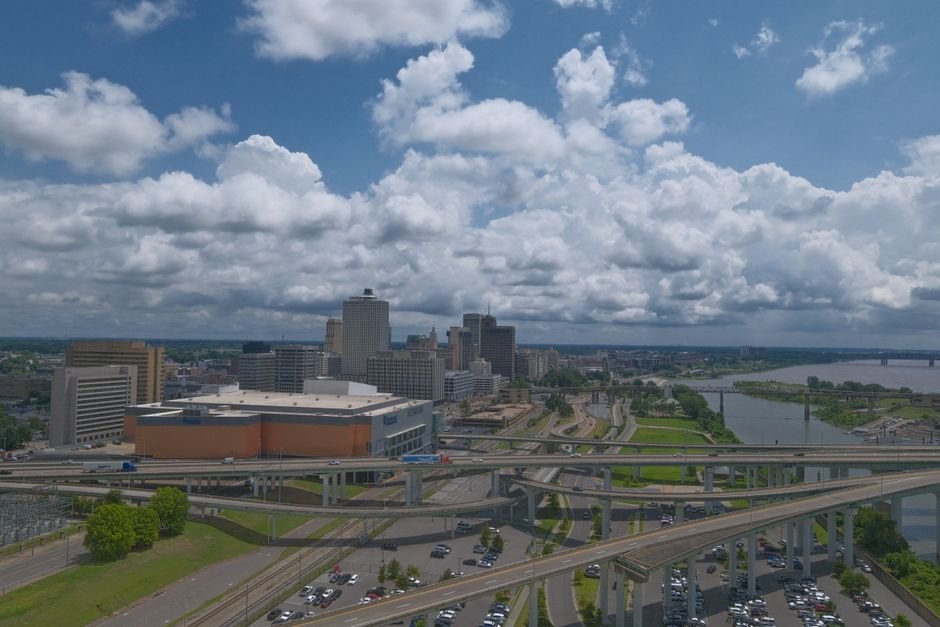
SpaceX is offering Memphis residents a 50 percent discount on monthly Starlink internet service following community backlash and a lawsuit over pollution from the company’s nearby AI data center.
But the discount does nothing to address the underlying complaints. The question it raises is whether cutting internet prices constitutes a remedy for air pollution, or simply a public relations cost of doing business.
The pollution problem
The controversy centers on Colossus, a massive AI data center built by xAI, the company SpaceX acquired earlier in 2026, and powered by natural-gas turbines. The NAACP filed a lawsuit alleging that the facility repeatedly violated permit limits for nitrogen oxides and particulate matter, emissions linked to respiratory illness and other health problems.
Residents near the data center have also complained about low-frequency noise and infrasound from the cooling and power systems, which can be felt as vibration even when not audible. Measured noise levels near some sites have reached 96 dB, according to reports.
The US Department of Justice has intervened to defend xAI in the case, citing the national significance of AI infrastructure, a move that local advocates say pits federal priorities against community health.
The discount
Under the offer, Memphis residents who opt in will pay half the standard monthly rate for Starlink, which normally ranges from US$55 to US$130 (approximately £44 to £104) depending on the plan. SpaceX has also committed to restarting construction of a recycled wastewater plant that was halted in late 2025, which would treat water used by the data center and by the Tennessee Valley Authority.
The wastewater plant requires regulatory approvals and could take years to complete. It does not address the air quality violations at the heart of the lawsuit.
Does it fix the problem?
The short answer is no. A discounted internet subscription compensates affected residents for the inconvenience of living next to an industrial facility, in effect, commodifying their tolerance of pollution, but it does not reduce the emissions, silence the turbines, or remedy the health concerns that the lawsuit identifies.
The approach mirrors a broader pattern in industrial siting disputes, where operators offer financial concessions to nearby communities rather than redesigning operations to eliminate the harm. Critics argue this amounts to a licensing fee for pollution: as long as the discount is cheaper than the abatement equipment, the rational choice for the operator is to keep paying it.
For SpaceX, the calculus also has a strategic dimension. The company is positioning Starlink as a consumer business that requires local goodwill. Discounting the product in the one city where that goodwill is most damaged protects the brand narrative of a company that provides affordable connectivity, even as its data centers impose costs the discount does not offset.
Sources: SpaceX slashes Starlink cost for Memphis residents after suit (Briefs.co, June 30, 2026); Starlink offers 50% discount, free hardware rental (Tom’s Hardware, July 1, 2026)