

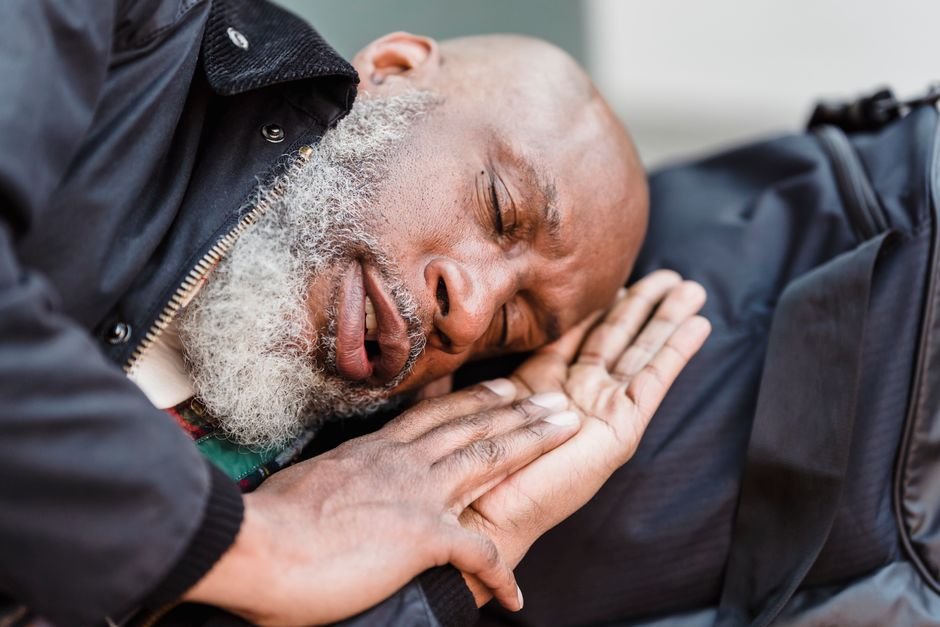
Sleep and Exercise Work Together to Shield Seniors from Frailty, Landmark CHARLS Study Shows
Getting both adequate sleep and sufficient physical activity may be one of the most powerful strategies for preventing rapid physical decline in older adults, according to new longitudinal evidence from the China Health and Retirement Longitudinal Study (CHARLS). The research, published in BMC Geriatrics, reveals that sleep duration and physical activity are not just independently protective against frailty but jointly amplify each other’s benefits.
What the Study Found
Researchers analyzed data from 4,448 older adults across five waves of CHARLS spanning 2011 to 2020. They used group-based trajectory modeling to identify three distinct frailty trajectories: a low-level stable group, a medium-level increase group, and a high-level increase group.
Sleep duration was categorized as short (under 6 hours), normal (6 to 8 hours), or long (over 8 hours). Physical activity was classified by weekly metabolic equivalent (MET) minutes: light (LPA, under 600 MET-min/wk), moderate (MPA, 600 to 3,000), and vigorous (VPA, over 3,000).
Frailty prevalence was lowest among participants who engaged in vigorous physical activity (20.42%) and those who slept a normal duration (19.85%). Moderate-to-vigorous physical activity and normal or long sleep each independently reduced the risk of belonging to the high frailty trajectory. But the joint effects told a more striking story.
Using light physical activity combined with short sleep as the reference group, the odds ratios for high frailty trajectory were dramatically lower across almost all combinations:
- Light PA plus normal sleep: odds ratio 0.203 (95% CI 0.049 to 0.841)
- Moderate PA plus normal sleep: odds ratio 0.081 (95% CI 0.021 to 0.312)
- Moderate PA plus long sleep: odds ratio 0.074 (95% CI 0.014 to 0.383)
- Vigorous PA plus short sleep: odds ratio 0.224 (95% CI 0.064 to 0.788)
- Vigorous PA plus normal sleep: odds ratio 0.063 (95% CI 0.018 to 0.221)
- Vigorous PA plus long sleep: odds ratio 0.131 (95% CI 0.033 to 0.521)
The strongest protective effect came from the combination of vigorous physical activity and normal sleep duration, which was associated with a roughly 94% reduction in the odds of rapid frailty progression compared to the least active and most sleep-deprived group.
Why It Matters
Frailty is a hallmark of aging that predicts falls, hospitalization, disability, and mortality. Unlike chronological age, frailty is potentially modifiable through changes in behavior. These findings suggest that interventions targeting either sleep or activity alone may underdeliver on their promise. The synergy between the two domains implies that clinicians and public health programs should address both simultaneously.
A person who sleeps poorly may not derive the full anti-frailty benefits of exercise, and a sedentary person who sleeps well may still be at elevated risk. The data support a dual-target approach: promoting 6 to 8 hours of nightly sleep alongside at least moderate physical activity. For those who can manage vigorous activity, the payoff appears greatest when sleep is also in the normal range.
Limitations
As an observational study, CHARLS cannot establish causation. Both sleep duration and physical activity were self-reported, introducing potential recall bias. The cohort is exclusively Chinese, and while CHARLS is nationally representative, the findings may not generalize to other populations with different genetic backgrounds, dietary patterns, or healthcare systems. Additionally, the study did not account for sleep quality, which may be as important as duration for frailty outcomes.
Bottom Line
Adequate sleep and regular physical activity are independent and synergistic protective factors against rapid frailty progression in older adults. The combination of six to eight hours of sleep and vigorous physical activity offers the strongest protection. These findings strengthen the case for integrated lifestyle interventions that target both sleep and exercise concurrently as a strategy for healthy aging.
Source: Fu Yuan, Shiqiang Wang, Huatao Zheng, Xingcan Zhou, Xuan Tang, Dan Li. “The joint association of sleep duration and physical activity with frailty among older adults: the first evidence from CHARLS.” BMC Geriatrics, 2026. DOI: 10.1186/s12877-026-07841-9. PMID: 42380804.