

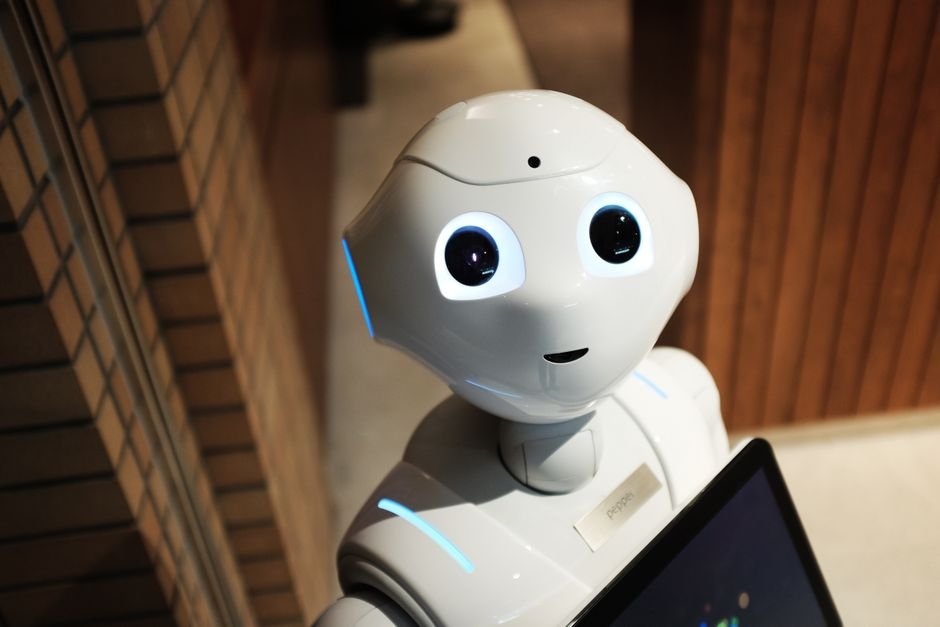
Japan has formalized a national strategy to deploy 10 million AI-powered robots across 18 industries by 2040, moving its robotics ambitions from policy talking point to a funded national programme.
The government has commissioned a consortium led by SoftBank-backed Noetra and the National Institute of Advanced Industrial Science and Technology (AIST) to develop a multimodal “physical AI” foundation model. The model is designed to interpret language, images, video, and sensor data together, enabling robots to understand and act in real-world environments rather than executing pre-programmed motions.
Funding and structure
The project is backed by public funding of up to 1 trillion yen (approximately US$6.1 billion or £4.9 billion) over five years, structured as a stage-gate process. The current fiscal year commission is approximately US$2.3 billion (approximately £1.85 billion), drawn from a 387.3 billion yen allocation via GX Economy Transition Bonds. The first two years are locked in; subsequent funding depends on meeting milestone targets, giving Tokyo a clean exit if the project stalls.
Industry minister Ryosei Akazawa said the plan will “vigorously promote social implementation” across sectors including restaurants, food manufacturing, and medical care.
The consortium
Noetra, majority-owned by SoftBank, NEC, Sony Group, and Honda, serves as lead contractor, joined by Preferred Networks and AIST. Fujitsu and Rakuten are reportedly considering joining. The structure combines Honda’s robotics hardware expertise with Sony’s imaging sensors and SoftBank’s AI computing resources under a state-assembled umbrella.
Why robots now
Japan’s aging population and tight migration policy have created a severe and worsening labour shortage across multiple industries. The country has decades of robotics experience in elder care, disaster response, and manufacturing, including the Fukushima Daiichi cleanup, but has struggled to translate that expertise into a scalable, generalised robotics workforce.
The announcement came within days of a similar robotics push from South Korea, signalling an intensifying regional race to deploy physical AI for industrial labour.
Sources: Japan’s answer to its worker shortage: An AI model for 10 million robots (AI News, July 1, 2026)