

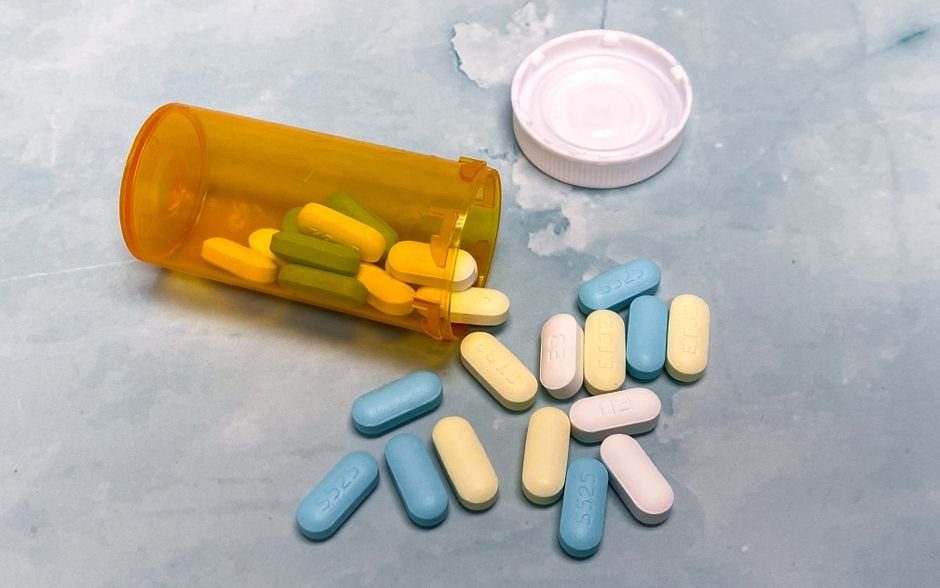
The U.S. Food and Drug Administration has appointed eight new members to its Pharmacy Compounding Advisory Committee (PCAC), the panel that advises the agency on which bulk drug substances compounding pharmacies are allowed to use. A review by STAT News, CNN, and the Associated Press has found that the vast majority of the new appointees run clinics that directly offer peptide therapies, compounded GLP-1 weight-loss drugs, or regenerative medicine treatments that would benefit from the very regulatory decisions the committee is being asked to make.
The appointments come as the committee prepares for a pivotal meeting on July 23-24, 2026, during which it will vote on whether to return seven restricted peptides to the 503A Bulks List, the list that determines which substances compounding pharmacies can legally prepare for patient-specific prescriptions. The outcome has implications not only for those seven peptides (BPC-157, TB-500, MOTS-c, KPV, DSIP, Semax, and Epitalon) but for the broader landscape of compounded GLP-1 drugs, telehealth clinics, and the multi-billion-dollar peptide market.
The panel
The Pharmacy Compounding Advisory Committee has 12 voting seats. Of the current members, eight were appointed in April and May 2026. Among them:
Melissa Loseke, DO, owns the Re-New Institute in Omaha, Neb., a longevity clinic that prominently advertises “peptide therapy” alongside GLP-1 weight-loss programs and hormone optimization. She has publicly stated that she administers peptides to her own teenage son.
Haleem Mohammed, MD, serves as Global Chief Medical Officer of Gameday Men’s Health, a chain of more than 300 clinics across the U.S. that sells compounded peptides, testosterone therapy, and compounded GLP-1 weight-loss injections. The company’s website states that “compounded medications offered through our services are not FDA-approved.”
Asare B. Christian, MD, founded Aether Medicine in Wayne, Pa., a “cellular medicine and regenerative therapies” practice that relies on the unrestricted availability of compounded peptides.
Joshua Starbuck, MD, owns Makena Health in Wailea, Hawaii, a functional medicine practice offering peptide-based treatments.
Kris Wusterhausen, DO, founded The Resurge Clinic in Weatherford, Texas, a regenerative medicine practice.
Gerald E. Morris, MD, serves as Medical Director of the AMG Center for Regenerative Medicine & Aesthetics in Tucson, Ariz.
Gabriel Alizaidy, MD, MS, is Scientific Director of Maximus Health in Coralville, Iowa, focused on clinical research.
David D. Pope, PharmD, is Chief Pharmacy Officer at XiFin Pharmacy Solutions in San Diego, a pharmacy services company.
Senator Robert Harshbarger, III, PharmD, is both a Tennessee State Senator and a practicing pharmacist.
Only three original voting members remain from before the recent wave of appointments. The chairperson and consumer representative seats are vacant.
The context: a regulatory war over peptides
The PCAC appointments are the latest move in an escalating regulatory battle over compounded peptides that accelerated when Robert F. Kennedy Jr. became HHS Secretary in early 2025.
In late 2023, under the Biden administration, the FDA placed 19 peptide or peptide-related bulk drug substances into “Category 2, drugs with significant safety concerns, effectively banning compounding pharmacies from preparing them. In February 2026, Kennedy announced on the Joe Rogan podcast that he wanted 14 of the 19 restricted peptides returned to Category 1. In April, the FDA published a Federal Register notice scheduling the July PCAC meeting to review the first seven.
The broader GLP-1 landscape forms the backdrop. During the 2022-2025 shortages of branded semaglutide (Ozempic/Wegovy) and tirzepatide (Mounjaro/Zepbound), compounding pharmacies were permitted to produce “essentially a copy” of these drugs. A massive market emerged, with telehealth companies, Hims & Hers, Ro, and dozens of others, prescribing compounded GLP-1s for $150 to $300 per month compared to over $1,000 for the branded versions.
As shortages resolved in early 2025, the FDA moved to shut down mass compounding. On April 30, 2026, the agency proposed excluding semaglutide, tirzepatide, and liraglutide from the 503B Bulks List entirely, effectively ending large-scale compounding of GLP-1 copycats by outsourcing facilities.
The PCAC’s upcoming votes on the seven restricted peptides are seen as a bellwether for how the Kennedy-led HHS will handle the broader peptide regulatory framework. The July meeting covers BPC-157 (a synthetic peptide used for wound healing and gut health), TB-500 (thymosin beta-4 fragment, used for recovery and injury repair), MOTS-c (a mitochondrial-derived peptide implicated in metabolic regulation), KPV (a tripeptide with anti-inflammatory properties), DSIP (delta sleep-inducing peptide), Semax (a nootropic peptide), and Epitalon (a peptide investigated for anti-aging effects).
None of these are FDA-approved drugs. Their safety and efficacy for the conditions for which clinics prescribe them are unproven. The FDA’s Category 2 designation was based on concerns about immunogenicity, purity, and lack of human safety data.
What the critics say
Public Citizen, the consumer advocacy group, warned that the committee vacancies could be filled with appointees who would “rubber stamp” broader peptide access. CNN reported that the panel “will include experts who promote the unproven chemicals favored by RFK Jr.”
Oncologist and health policy researcher Vinay Prasad, commenting on social media, described the panel composition as “regulatory capture in plain sight”, a situation in which the body charged with protecting public health is populated by people with a direct financial interest in deregulating the very products under review.
The FDA maintains that all appointees undergo ethics review and that any conflicts are managed through recusal procedures. The agency’s standard practice requires committee members to disclose financial interests and abstain from voting on matters in which they have a direct financial stake. Whether individual recusals will be sufficient given the composition of the panel remains to be seen.
What’s at stake
The peptides under review at the July meeting are used primarily by a subculture of longevity and wellness clinics, not by mainstream medicine. But the precedent is broader. If the PCAC votes to return restricted peptides to Category 1, it would signal a fundamental shift in the FDA’s approach to compounding regulation under the Kennedy HHS.
The compounding industry has been litigating aggressively. The Outsourcing Facilities Association sued the FDA over removing tirzepatide from the shortage list and separately challenged semaglutide’s removal. A judge in the Northern District of Texas denied a preliminary injunction in the tirzepatide case.
Meanwhile, the FDA has issued three waves of warning letters in 2025-2026, roughly 130 total, to telehealth companies and compounding pharmacies for misleading marketing of compounded GLP-1s, including claims that their products are “similar to Ozempic” or “FDA-approved.”
The July 23-24 PCAC meeting will be closely watched. The committee’s recommendation is advisory, the FDA is not bound to follow it, but in practice, the agency rarely overrules its advisory committees on matters of scientific judgment. If the panel stacked with peptide-prescribing practitioners votes to deregulate the very peptides they prescribe, the question will not be whether the vote was predictable, but whether the process that produced it was defensible.
Sources:
[STAT News] Lawrence L, Todd S. “FDA names panel of doctors who could benefit from their own rulings.” June 29, 2026. https://www.statnews.com/2026/06/29/new-fda-peptide-advisers-compounding-committee-conflicts/
[AP News] “Doctors with ties to industry named to FDA peptide panel.” June 29, 2026. https://apnews.com/article/peptides-fda-rfk-jr-drugs-wellness-dc3eeb67358373d580529c50784af109
[CNN Health] “FDA peptide panel includes experts who promote unproven chemicals.” June 29, 2026.
[FDA] Pharmacy Compounding Advisory Committee Roster. https://www.fda.gov/advisory-committees/pharmacy-compounding-advisory-committee