

On Monday, a drone strike hit Merewa, a town in southern Tigray, close to the line with the Amhara region, and the settlement that was meant to have ended the war four years ago lurched again toward collapse. Tigray’s rebel authorities say the strike was carried out by the federal government’s forces and that it hit Tigrayan troops, killing and wounding an unspecified number. A TPLF official named Amanuel Assefa told the AFP news agency that a high school had been struck as well; the agency could not confirm it. The federal army in Addis Ababa had not answered questions about the strike by the time the accusation was made public on Tuesday.
The accusation itself was blunt. The Tigrayan authorities denounced the strike as a serious escalation, the language of a party that believes it is being attacked, not negotiated with. It is the second clash within weeks: on August 1, clashes were reported in Tigray’s northwest, close to Sudan, and soldiers on both sides have been massing along the frontier for months, each government accusing the other of preparing to restart the war. That kind of mobilization precedes a war more often than it prevents one.
What makes the moment dangerous is that the peace that ended the last war was never finished. The agreement signed in Pretoria in November 2022 stopped the shooting after two years of fighting that killed at least 600,000 people by the African Union’s estimate, in one of the deadliest conflicts Africa has seen in decades. But the deal left its hardest work undone: the disarmament of Tigrayan forces remains incomplete, the return of displaced people is unfinished, and the territorial disputes that fed the war are unresolved. A peace that leaves the weapons in place and the grievances open is a ceasefire with a time limit, and the time limit expires whenever one side decides the other is not serious.
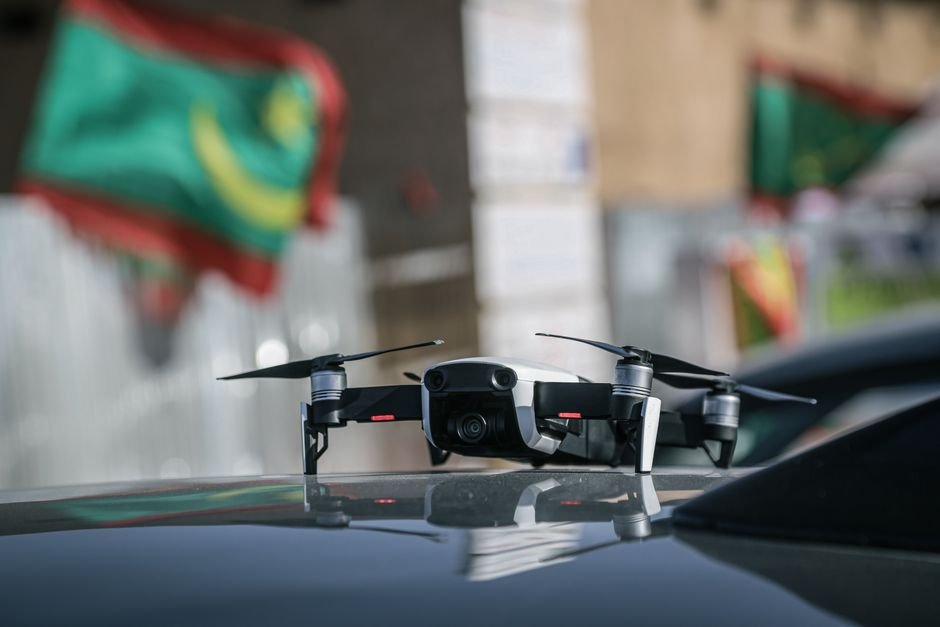
The drone is the signature weapon of this phase. In January, a drone strike in Tigray killed one person amid the same fears of renewed conflict. The federal government has used drones throughout the recent campaigns in the region, and the weapon is well suited to a war fought by a government that controls the sky and a rebellion that controls the ground. If the strikes continue, the TPLF’s options are narrow: fight back on the ground, where it is weaker than in 2020, or return to the negotiating table, where the last round left everything pending. Neither option looks attractive from the town that was hit on Monday.
The wider stakes are plain. Tigray is home to about six million people who endured years of war, siege and famine, and who were promised, in Pretoria, that it would not happen again. The promise was never backed by enough machinery: no robust disarmament, no full return of the displaced, no mechanism that could force the two sides to settle their differences on paper instead of on the battlefield. Every unresolved clause of the agreement is now a potential pretext, and the drones over Merewa are the sign that one side has decided to use the sky to make its point.
Four years after the world watched Tigray starve, the region is again watching its skies. The peace was real while it held, and it held because both sides were exhausted. Exhaustion fades, armies rebuild, and unresolved disputes do not age well. The strike on Merewa may prove to be an isolated incident, or the first exchange of a second war. The difference will be decided in Addis Ababa and in the Tigrayan command, and in whether anyone with authority treats an unfinished peace as the emergency it has always been.