

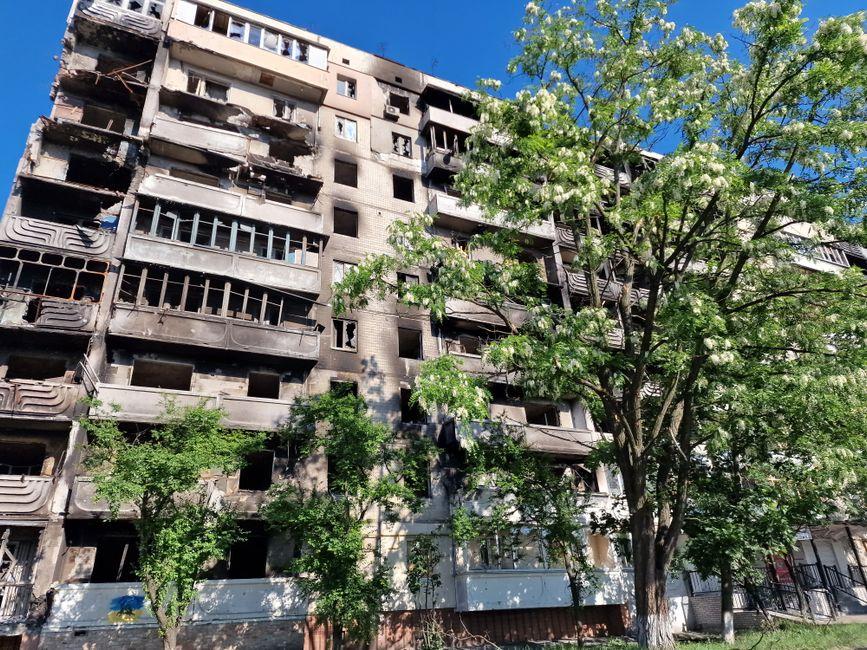
A Ukrainian drone strike killed thirteen people, including a child, in Nizhnekamsk, a city of about 240,000 in the Tatarstan republic, more than 1,200 kilometers (746 miles) from the Ukrainian border. Seventy-five people were wounded. The Ukrainian military said it had hit an oil refinery. Nizhnekamsk is an oil hub with a petrochemical plant and two refineries, and the strike also reached the residential areas around them.
The drone war on Russian oil had killed people before, usually in ones and twos near the refineries. Ukraine has spent months attacking Russian refining capacity to make the war too expensive for Moscow to continue, framing the campaign as a long-range sanction that hits the Russian economy without putting Ukrainian soldiers in harm’s way. The campaign has knocked a fifth of Russia’s refining capacity offline, produced fuel shortages and sent gasoline prices up. President Volodymyr Zelenskyy said on Monday that hitting such facilities is how Kyiv turns up the pressure on Moscow.
The strike hit the TANECO refinery and its surroundings. Russian officials, who normally describe such strikes as terrorist acts, will use the child’s death to argue that Ukraine is attacking civilians. Kyiv officials stress that the targets were industrial.
The strike hands the Kremlin a propaganda victory that no amount of refinery damage can cancel, and it brings the war’s costs home to a Russian public that has been largely insulated from them. The campaign’s logic remains: hit the fuel, starve the war economy, force Moscow to choose between the front and the filling station. Both sides now run their wars the same way, striking the other’s economy, accepting the civilian cost and calling the result a military necessity. Russia did it to Ukrainian ports and power grids; Ukraine is doing it to Russian refineries. Russia has killed tens of thousands of Ukrainian civilians with deliberate strikes on cities, hospitals and energy infrastructure, while Ukraine has killed far fewer people inside Russia and aimed most of its strikes at military and industrial targets. The difference is one of scale, a cold comfort to the families who buried thirteen people on Monday.
Ukraine will likely keep striking refineries. The campaign is one of the few Ukrainian levers that visibly works, and neither side can afford to stop the attacks that hurt the other. But the next strike will be planned with the memory of Nizhnekamsk in the room: how to pressure a government without killing its citizens is a question that has no good answer in this war.