

On September 20, Russia holds its first State Duma election since the full-scale war began. The liberal Yabloko party enters it with roughly three percent support against a five percent threshold for seats. By any normal measure it will lose, as it has lost every federal election since it was founded three decades ago. The party is campaigning anyway, and its goal is not seats. Its goal is the megaphone.
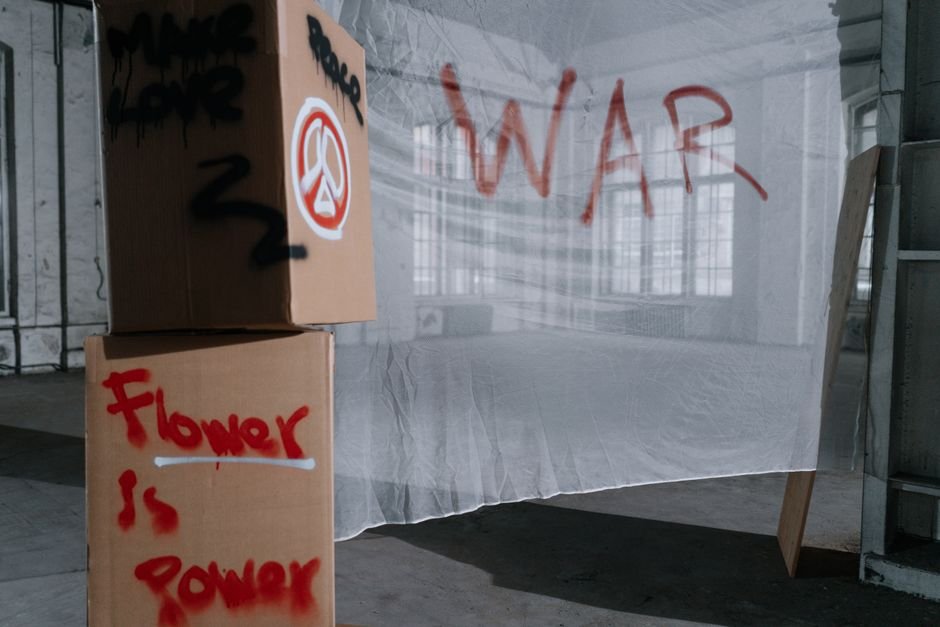
Yabloko has held one position since February 2022: ceasefire, negotiations, peace. Its platform for this election, adopted at the party congress in June, is built on demands for a ceasefire, diplomacy and peace, and it names the party’s purpose as preventing nuclear war. It is the only party in Russia that campaigns on ending the war, and it says so without qualification.
The campaign’s logic is spelled out in the party’s own documents. The election resolution adopted in June argues that the war, now entering its fifth year, has made most Russians feel the consequences: impoverishment, a shrinking space for free action and thought, daily danger, exhausting fear. The party says it senses frustration among many Russians with the war, and it believes that many people support the earliest possible ceasefire, a stand the party has kept since the invasion began. The campaign, in the party’s framing, is an opportunity to begin the path toward peace and freedom, a way to show voters who share those convictions that they are not alone.
Win or lose, the campaign is a national broadcast for the anti-war position at a time when every other channel for it is closed. That is what raising its profile means in this system.
The numbers are brutal. Three percent against a five percent threshold, in an election that United Russia has won every time since 2003, in a country where the result is arranged in advance. In 2021 Yabloko took 1.34 percent of the vote, about 750,000 people, and no seats. The party holds seats in a handful of regional parliaments and nothing at the federal level. The risk of running is not merely losing. Yabloko’s deputy chairman, Maxim Kruglov, has been charged with spreading false information about the Russian army, and his case was heard in a Moscow court in June. Campaigning openly for a ceasefire in Russia means doing it under a law that makes the message a crime.
The calendar itself tells part of the story. The vote was set for September 20, the third Sunday of the month, moved from the usual second Sunday so that regional and municipal elections could be held on the same day. The date was chosen to fit the machinery, and the machinery is the point: in a system where the outcome is fixed, the election’s real function is to renew the forms of politics without changing their content. Yabloko’s candidates know this, and so do the voters who will be offered the choice between United Russia and the parties permitted to stand beside it.
The Kremlin allows Yabloko to run because Yabloko cannot win. A legal opposition at three percent is the perfect proof of the system’s tolerance: look, the anti-war party campaigns openly, and the state does not stop it. The result is guaranteed regardless, and everyone involved knows it. The party knows it too. It runs anyway, for the same reason it has existed for thirty years: because the campaign is the one legally permitted occasion to say in public what the state does not want said. The election is a stage, and Yabloko intends to use it.
September 20 will not put Yabloko in the State Duma. The party will be lucky to hold its three percent. But in a country where the word ceasefire is dangerous to print, the campaign itself is the message, and every ballot cast for it is a public act. That is not much. In this system, it is almost everything.