

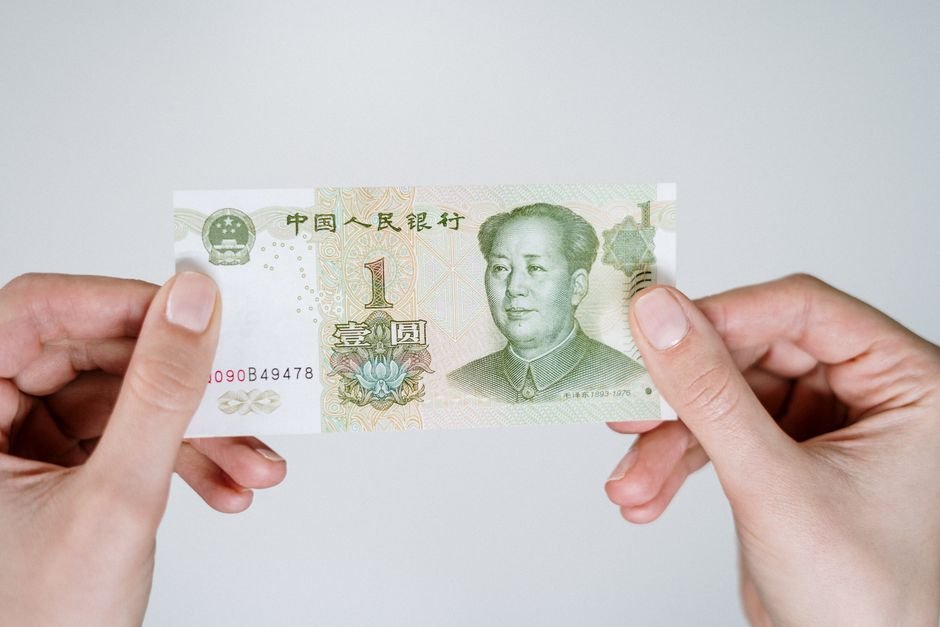
Brazil has decided that one yuan bond is not enough. It wants to borrow in the Chinese currency every year, not once, a senior treasury official said Wednesday, in what would make the renminbi a standing part of Brazilian public finance rather than a one-off gesture.
The plan is still provisional. Brasilia cannot guarantee the debut sale will happen this year, the official said. But the intent is annual: repeated issuance would give Brazilian companies a benchmark to price against, so that the sovereign leads and business follows.
The mechanics are already in motion. Brazil announced in June, during a delegation to Shanghai and Beijing led by Finance Minister Dario Durigan, that it planned its first yuan bond, a so-called panda bond sold inside China’s domestic market. Reuters reported the issue could raise up to five billion yuan, about $735 million, and Durigan called it a pilot that would help Brazilian companies gain a foothold in the Chinese market. Brazil would be the fifth sovereign in twelve months to borrow there, after Pakistan, Hungary, Slovenia and Kazakhstan.
The yuan move is one leg of a broader strategy. In April, Brazil sold its first euro bond since 2014, raising five billion euros in what the Treasury called the largest international issuance in the country’s history. The two currencies, euro and yuan, are meant to reduce a dependence on dollar funding that has shaped Brazilian debt for decades. China is Brazil’s biggest trade partner, the two governments renewed a currency swap worth 190 billion yuan last year, and a share of Brazilian reserves is already kept in yuan. The bond plan carries that shift from commerce into the state’s own ledger.
For Beijing, the appeal is smaller and longer-term. Each foreign government that borrows in yuan is a step, however small, toward wider international use of the currency. The yuan still accounts for only about four percent of global payments, against nearly forty percent for the dollar, and well under one percent of international bonds. Every issue chips away at the gap; none of them closes it.
For Brasilia, the case is more immediate. Analysts point to the arithmetic of debt management: bonds issued abroad carry an average maturity of about seven years, against roughly four years at home, so foreign issuance extends the government’s repayment horizon and broadens the pool of investors. Chinese institutions gain a way to hold Brazilian sovereign risk under Chinese law, in their own currency. The private sector has already shown the way: Suzano, the world’s largest pulp producer, has sold two yuan bonds in China since late 2024, the second on better terms than an equivalent dollar issue.
The risks are real and known. Borrowing in yuan puts exchange-rate risk on Brazil’s books unless the proceeds are hedged, and China still runs capital controls, which limits how freely the money can move. The finance ministry says the money raised does not have to be repatriated; that call belongs to the Treasury’s allocation strategy.
There is also politics. The announcement lands as Brasilia balances deep trade ties with Beijing against Washington’s tariffs and diplomatic pressure, and any China-facing financial move will be read in Washington as strategy, not treasury management. Brazil’s officials say little about that dimension, but the timing needs no translation.
None of this makes the yuan the dollar’s rival tomorrow. It does mean that Latin America’s largest economy, a country that once borrowed almost exclusively in dollars, is now building a standing relationship with the Chinese market, with annual sales as the plan and companies on both sides watching. That is the sort of change that arrives quietly and is hard to reverse.