

The bombs were being prepared. Washington had been threatening Iran with force on a scale not seen in this war, and the strike plans reportedly included the country’s energy infrastructure. Then the phone rang. The man on the line was Saudi Arabia’s crown prince, and after the call the strikes were halted.
That sequence, reported on Saturday and confirmed by both capitals through their official channels, is the clearest sign yet of who is really steering the United States through its war with Iran. It is not the hawks in Washington. It is an ally whose cities would burn first if the war widens.
The prince who once wanted war
The reversal is sharper than it looks. In the early months of the conflict, Mohammed bin Salman pressed the White House to cripple Iran. The crown prince saw Tehran as the source of every regional problem and wanted the American military to settle the account. According to reporting from early July, he pushed for a decisive blow while the United States still held the initiative.
That was then. Iran has since shown it can reach across the Gulf, has struck at American allies, and has turned the Strait of Hormuz into a daily question mark for the world’s oil supply. The prince who urged escalation now argues for the opposite. In his call with Trump he stressed the need to prioritize dialogue to de-escalate tensions, a point the Saudi state news agency confirmed, and he raised concerns about the plans for large-scale strikes on Iranian energy targets. Washington listened. Trump said the United States would hold off on a fresh attack in the hope of a quick deal.
The Gulf pays the price
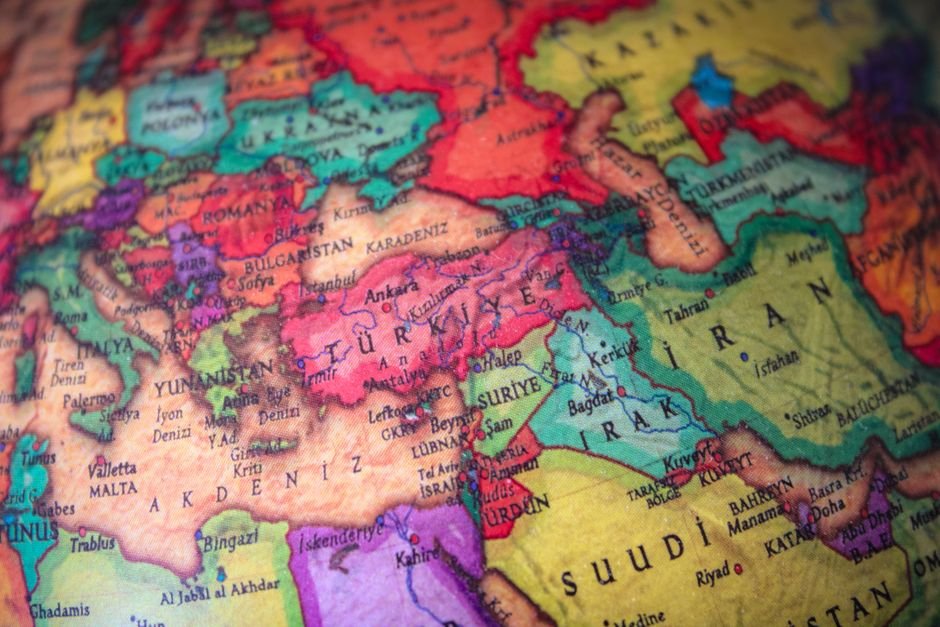
The reason for Riyadh’s change of heart is geography. Every Gulf state that hosts American forces is a target in this war. When Iran retaliates, it does not strike Washington. It strikes the tankers, the ports, and the air bases on its own doorstep. Saudi Arabia has already felt this: Iranian missile and drone attacks against American allies in the Gulf followed the first round of US airstrikes, and commercial tankers moving through Hormuz have been attacked despite a ceasefire that both sides had signed.
The wider region has been running to catch up with a war it never voted for. Egypt and Qatar have pressed both capitals to return to negotiations and implement the memorandum of understanding signed earlier this year. Pakistan has offered to mediate. Iran says its talks with Oman over the strait’s security are in their final stages. None of these efforts would exist if the Gulf states thought the war was going well.
The ally steering the patron
There is an irony in all this that the region understands better than Washington. The war began with Gulf encouragement, and it may end with Gulf restraint. Saudi Arabia cannot stop the fighting alone, and it cannot walk away from the American security umbrella without losing the protection it has relied on for decades. So it does what a client state with leverage does: it makes itself indispensable to the patron’s decision-making.
The phone call worked because Trump needed an off-ramp. He had threatened Iran with unprecedented force, which painted him into a corner where backing down looked like weakness. The crown prince gave him a reason to step back that was not surrender: an ally asking for dialogue, a regional consensus forming around talks, a deal that might still be had. Whether that deal exists is another question. Iran’s position has hardened through months of bombing, and the Oman channel, promising as it sounds, has produced nothing public yet.
What is certain is that the pause in strikes came from Riyadh’s request, not from Washington’s plan. The United States entered this war with Saudi support, is fighting it with Saudi facilities, and is now taking its cue on how to end it from the same kingdom. For a war that was supposed to teach Iran a lesson about who runs the region, the lesson appears to be running the other way.
Source
- Al Jazeera: Saudi Crown Prince MBS urges Trump to ‘prioritise dialogue’ in US-Iran war
- Reuters: Trump says US will hold off on fresh Iran attack in hope of quick deal
- The New York Times: How the Iran war ignited a clash between Trump and the Saudi crown prince
- Indian Express: Inside Saudi Crown Prince MBS’ phone call with Trump