

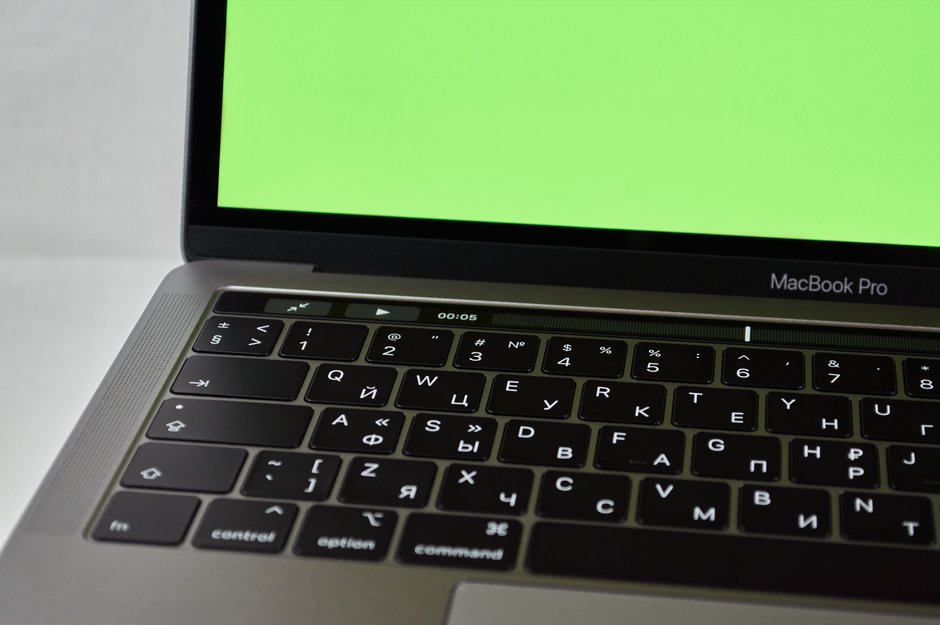
The MacBook Air, Apple’s best-selling laptop, has become the latest product caught in the memory shortage that has rippled through the industry this year. Bloomberg’s Mark Gurman reported in his Power On newsletter over the weekend that retail availability of the machine is the tightest it has been in years, and that orders placed on Apple’s online store are being quoted for late August delivery, with certain configurations slipping into September.
The timing compounds the problem. Apple refreshed the MacBook Air with the M5 chip in March, so the machine is mid-cycle, and it is the company’s main draw for back-to-school buyers, who typically start shopping in July and August. Apple has already pushed this year’s back-to-school promotion back from its usual June start, and its marketing materials now include an unusual “subject to availability” note for the laptop. Store staff, Gurman reported, describe on-hand inventory as the worst they can remember for the machine, and some retail teams are steering education customers toward the entry-level 14-inch MacBook Pro instead.
The underlying cause is the same demand shock that has lifted DRAM and flash prices since the start of the year. Cloud and AI companies are absorbing high-end memory for training clusters, and manufacturers have shifted production toward those higher-margin chips, leaving less supply for the commodity DRAM that goes into laptops and phones. The pressure showed up first in Apple’s Mac mini and Mac Studio, which fell into severe backorders, and in late June forced the company into rare mid-cycle price increases across the Mac and iPad lines, a move that spared the iPhone.
The MacBook Air’s price history this year tells the story in miniature. The base model opened 2026 at $999, moved to $1,099 when the M5 arrived in March, and now lists at $1,299 after the June increase. Apple also doubled entry-level storage to 512GB, which softened the increase for buyers who previously paid extra for capacity, but the direction is unambiguous.
To free up supply, Apple has proposed sourcing memory from Chinese manufacturers for devices sold inside China, reserving inventory from Samsung and Micron for other markets. That plan has collided with Washington. A bipartisan group of senators, led by Republican Jim Banks of Indiana and Democrat Chuck Schumer of New York, wrote to Tim Cook demanding that Apple commit by August 21 to keeping memory from CXMT and YMTC out of its products, warning that the company risked depending on a US adversary for critical components. CXMT, which went public in a blockbuster Shanghai listing last week, is not named in US export rules but runs advanced fabrication plants; YMTC sits on the Commerce Department’s blacklist.
Apple’s product strategy is bending around the shortage as well. Marketing for the current quarter has, for the first time, put the spotlight on the base-model 14-inch MacBook Pro, a machine Apple is also pushing through retail channels ahead of an M6 update due this fall. A redesigned MacBook Air, according to the same reporting, is further out.
The near-term outlook offers little relief. Apple executives told investors on the company’s latest earnings call that supply constraints would worsen through the September quarter, and the broader memory shortage is expected to keep squeezing smartphones and Macs into 2027. For now, Apple’s most popular Mac is both more expensive and harder to buy than it has been in years.
Sources: The global memory shortage hits the MacBook Air (TechCrunch, Aug 2, 2026); Global Memory Shortage Now Hitting Apple’s MacBook Air (iClarified, Aug 2, 2026); MacBook Air reportedly facing major supply shortages due to AI-driven memory crisis (9to5Mac, Aug 2, 2026); Senators Warn Apple Not to Buy Memory Chips From Chinese Firms (Bloomberg, Jul 29, 2026); US senators warn Apple not to buy Chinese memory chips to escape the shortage (The Next Web, Jul 30, 2026)