

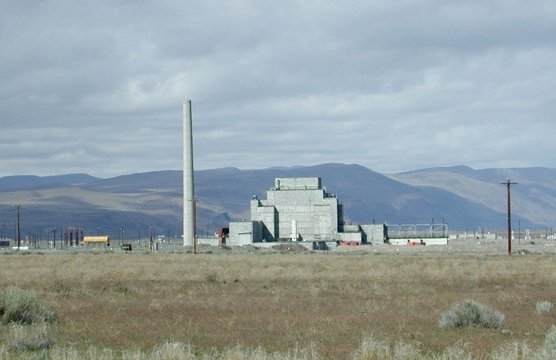
On June 23, 2026, France recorded its hottest day since 1947. Temperatures exceeded 44 °C (111 °F) in parts of the country. By 11:45 pm on June 22, the Golfech nuclear reactor in southern France had already shut down. A second reactor at Nogent-sur-Seine was ramping down. Across the English Channel, five gas plants in the UK were reducing output by a combined 2.5 gigawatts.
The immediate cause was not a shortage of fuel but a shortage of cool water, or more precisely, a regulatory limit on how hot water can be when it is returned to rivers after being used for cooling. The Garonne River at Golfech reached 28 °C (82 °F), above French limits for discharged cooling water. When the intake water is already that warm, the plant cannot cool itself without exceeding the discharge temperature limit.
More than one vulnerability
The problem is broader than nuclear plants and river temperature limits. In the UK, the gas plant output reductions were caused by a combination of equipment stress in extreme heat and reduced efficiency of cooling towers, which rely on temperature differentials that shrink as the ambient air gets hotter. Hydropower, too, has been affected: Europe’s hydropower output fell 13 percent year-on-year in early 2025, driven by drought and low water levels.
At the same time, demand for electricity is surging as air conditioning use spreads. The number of UK homes with air conditioning has doubled since 2022, following a similar trend across Europe. The IEA projects that global energy demand for cooling will double by 2050 relative to 2023 levels. This creates a dangerous feedback loop: heat waves drive up electricity demand for cooling at the very moment that thermal power plants and hydropower are least able to supply it.
A pattern, not an anomaly
This is not the first such event. A July 2025 heat wave forced at least 7 gigawatts of French nuclear capacity offline, more than the entire grid capacity of Ireland. As heat waves grow more intense and more frequent, the pattern is becoming predictable.
EDF, the French utility, estimates it will need to spend approximately 600 million euros per year ($680 million) for 15 years to climate-proof its nuclear and hydropower operations, investments in alternative cooling systems, drought-resistant infrastructure, and revised operating protocols.
System-level risk
Despite the Golfech and Nogent outages, French grid operator RTE stated that France can still meet demand. But Simone Tagliapietra of the Brussels-based think tank Bruegel warns that this will become harder as heat waves intensify. He calls for a suite of adaptations: summer peak planning, demand flexibility programs, grid reinforcement, battery storage and demand-response systems, and climate-proofed cooling at power plants.
The wider implication is that climate change is not just a problem for coastlines and farms, it is increasingly a direct threat to the physical infrastructure that keeps power flowing. Heat waves attack the electricity system from two sides simultaneously, reducing supply while driving up demand, and the margin for error is shrinking.
Source: Crownhart, C. Europe’s extreme heat is shutting down power plants. MIT Technology Review (2026). Link