

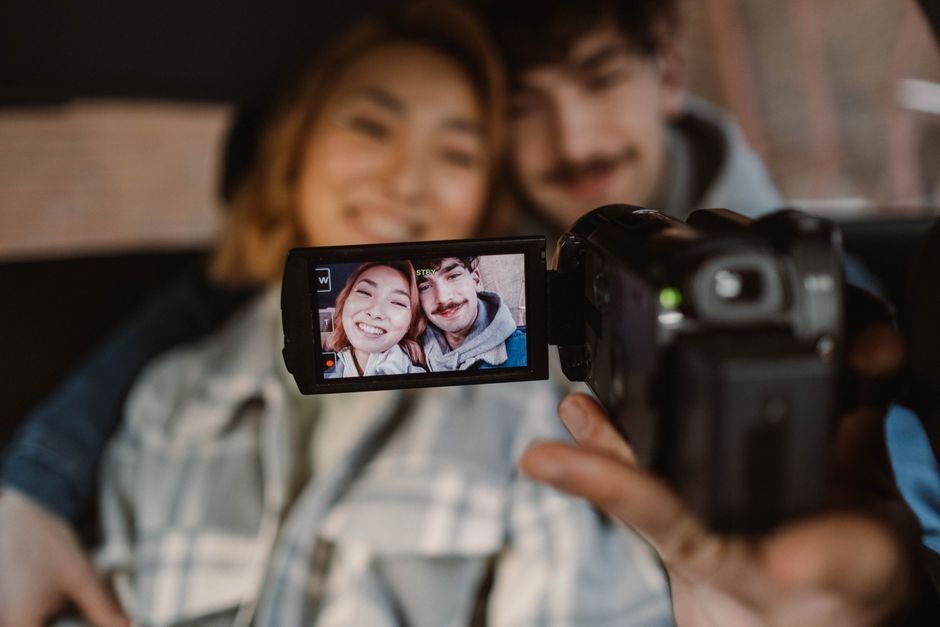
Google has introduced a new account authentication method that allows users to upload a video selfie to its servers and later use a fresh video selfie to log in or recover access. The system compares the two recordings using facial recognition algorithms, offering an alternative to passwords, security keys, or backup codes. But the feature arrives at a moment when the technology needed to defeat it is advancing at least as fast as the defenses meant to stop it.
The core concern is deepfakes. AI systems that can map one person’s face onto another person’s body in real time have become widely accessible, and researchers have demonstrated attacks against similar video-based authentication systems that use exactly this technique. An attacker who obtains a photo of a target — from social media, a data breach, or a compromised account — can potentially generate a synthetic video that passes a liveness check, performing the required head turns and movements that the authentication system uses to verify the user is physically present.
Google has stated that it has protections in place and that its systems are designed to detect and reject synthetic media. The company also monitors for other suspicious login signals alongside the video selfie check. But the pace of improvement in generative video models makes static defenses difficult to maintain. A detection method that works today may not survive the next generation of diffusion-based video synthesis.
Privacy concerns compound the security questions. Google notes in its help documentation that uploaded video selfies may be used to train the company’s facial recognition and age estimation models if the user permits it. The intersection of biometric data collection with the wave of government-mandated age verification laws being debated in multiple jurisdictions creates an uncertain regulatory path for how this data could be used, shared, or compelled.
For users, the practical question is whether the convenience of video selfie recovery outweighs the risks of expanding biometric data exposure. Passkeys, which rely on device-bound cryptographic keys rather than biometric recordings, offer a more mature alternative that avoids uploading facial data to a server. Hardware security keys provide similar protection against account takeover without the deepfake attack surface.
Google’s broader push toward device-assisted authentication is a positive trend — reducing reliance on reused passwords is one of the most impactful security improvements available. But the video selfie approach, specifically, introduces a class of biometric risk that existing authentication methods have already solved. The more prudent path for most users is to wait for independent verification that the system can withstand the deepfake attacks that will inevitably target it.
Sources: Google wants your face to be your backup password. I’d wait. (PCWorld, July 27, 2026); Google video selfie account recovery (The Register, July 27, 2026)