

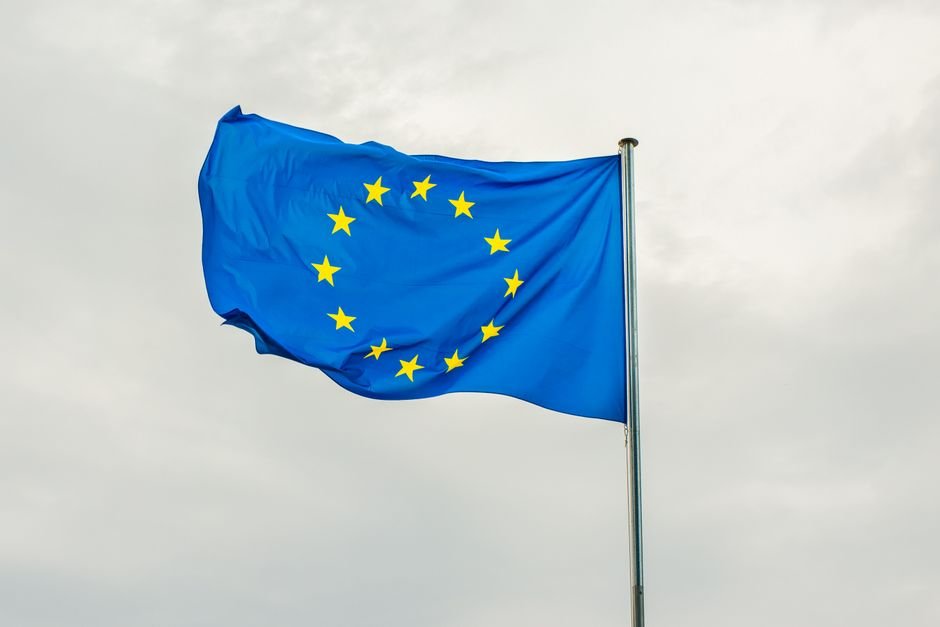
The European Union and the United Kingdom are pursuing increasingly divergent digital sovereignty strategies in 2026, with Brussels emphasizing regulatory enforcement and London prioritizing market-driven technology partnerships. The split reflects a broader realignment of post-Brexit technology policy as both jurisdictions seek to assert control over their digital ecosystems while maintaining economic competitiveness.
The European Commission adopted the European Digital Identity Framework on July 23, requiring all member states to offer citizens a digital identity wallet by 2028. The wallet will support secure access to public services and qualified electronic signatures, with technical standards defined by the European Telecommunications Standards Institute. The regulation includes a reference to support for biometric updates to ensure the wallet remains usable as authentication technology evolves.
European Commissioner for Internal Market Thierry Breton said the framework would give Europeans a secure, private way to prove who they are online without relying on large technology platforms.
The EU’s approach builds on existing regulations including the Digital Services Act and the Digital Markets Act, both of which impose obligations on large online platforms regarding content moderation, advertising transparency, and market access. The Digital Identity Framework sits within this broader regulatory architecture, creating a government-managed identity layer that competes with commercial identity providers.
The United Kingdom has taken a different path. The Department for Science, Innovation and Technology published its Digital Identity and Trust Framework in May 2026, which establishes principles for voluntary digital identity certification but does not mandate adoption. The framework relies on certified private-sector providers and the UK Digital Identity and Attributes Trust Framework, a standards-based approach that aims to balance interoperability with market flexibility.
The divergence extends beyond digital identity. The UK has signed technology cooperation agreements with Australia, Japan, and the United States, while the EU has focused on building regulatory alliances with like-minded countries on data protection and AI governance. The UK’s approach emphasizes interoperability with allied technology systems, while the EU focuses on regulatory alignment within its own market.
Analysis by the Centre for European Reform published on July 24 suggests that the different approaches carry different risks. The EU’s regulatory model may create friction with international partners and slow adoption, but provides stronger consumer protections and data security guarantees. The UK’s market-driven model may encourage faster adoption and innovation, but risks fragmentation and weaker enforcement.
Critics of the EU approach argue that mandatory digital identity creates surveillance infrastructure and may push some technology companies to reduce services in European markets. Supporters of the UK approach note that voluntary frameworks may not achieve sufficient adoption to be effective, leaving the digital identity market fragmented.
The two models will be tested in practice over the next two years as both frameworks begin implementation. The EU’s 2028 deadline for member state wallet deployment and the UK’s ongoing certification program will provide early indicators of which approach achieves greater adoption and effectiveness.
Sources: EU adopts European Digital Identity Framework (European Commission, July 23, 2026); UK Digital Identity and Trust Framework (UK Department for Science, Innovation and Technology, May 2026); Centre for European Reform analysis (Centre for European Reform, July 24, 2026)