

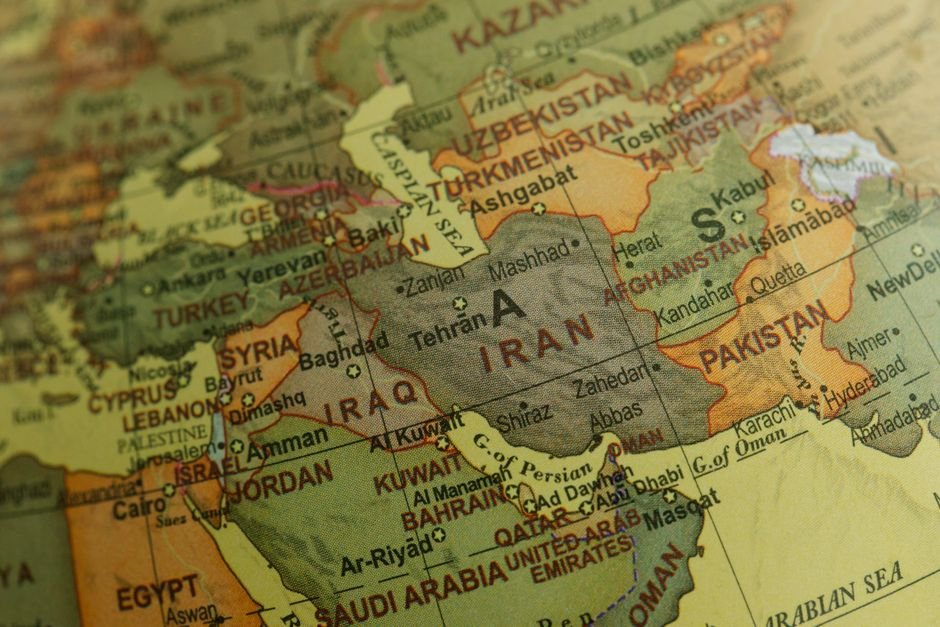
For the first time in two weeks, no American bombs fell on Iran.
President Trump ordered the US military not to conduct new strikes on Friday, according to two sources cited by Axios, breaking a streak of 13 consecutive nights of attacks that had become as routine as they were relentless. Whether the halt lasts one night or many remains unclear, and the administration offered no public explanation for the sudden silence.
The decision reflects two hard truths that the bombing campaign could not erase. First, the current tempo of strikes, hitting Iranian military assets each night without escalating to full-scale combat operations, has reached the limit of what it can achieve. Second, if diplomacy stands any chance, it needs oxygen. Trump’s directive clears that space, even if no one in Washington is saying where the talks might lead.
“It seems that our dear Iran had a peaceful night last night,” Iran Health Ministry spokesperson Hossein Kermanpour posted on X, in the dry understatement of a regime that had spent 13 nights bracing for explosions.
The pause did not extend to the broader region. On Saturday, Yemen’s Houthi militants, Iran’s most reliable proxy, fired on Saudi oil installations in two Red Sea ports, underscoring how the US-Iran conflict has pulled in Riyadh whether it wanted in or not. Saudi air defenses have been busy for weeks, the kingdom caught between Washington’s war and the Houthis’ willingness to escalate on Tehran’s behalf.
The sequence of events reads like a loop the region cannot break. US strikes on Iran. Iranian-backed Houthis respond by hitting Saudi infrastructure. Saudi Arabia appeals for protection, which further commits Washington. Then, when the costs become visible, someone blinks. This time it was Trump.
But blinking is not backing down. The president has made clear he retains a standing order to hit Iran at levels “they’ve never seen before” if Tehran assassinates him. The 13-night bombing campaign, triggered by Iran’s blockade of the Strait of Hormuz after an interim deal collapsed, was already among the most sustained US aerial operations in the Middle East since the 2003 invasion of Iraq. A pause is not a ceasefire.
What Friday’s directive signals is an admission, not stated in public, but legible in the actions, that nightly bombing was running out of runway. The targets were becoming thinner. The strategic effect plateaued. And the Houthi-Saudi escalation that the strikes were supposed to contain was actually accelerating on a parallel track.
The question now is what happens next. If Trump’s pause was a one-night breather before a new phase, the Middle East will know soon enough. If it was the beginning of a genuine pullback toward negotiations, then the real work, talks with a regime Washington has spent weeks bombing, begins under the worst possible conditions. Either way, the region spent its 14th consecutive night on edge, waiting to see whether the silence was the start of something or just the calm between salvos.