

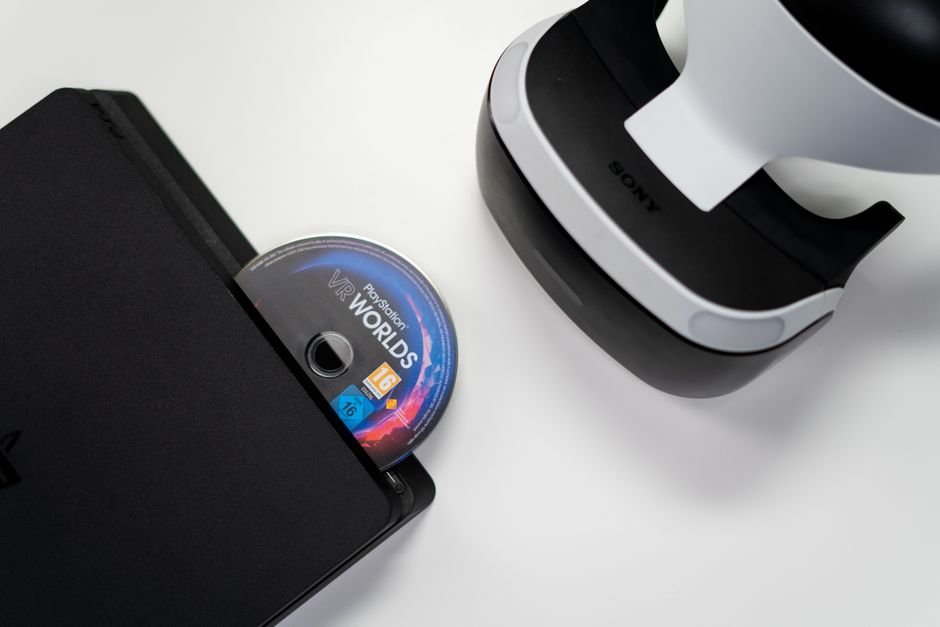
When Sony announced earlier this month that it would stop producing physical PlayStation game discs by 2028, the backlash was immediate and loud. Tens of thousands of comments flooded the company’s YouTube channels. A petition gathered nearly 400,000 signatures. But the sales data tells a different story from the noise, and it overwhelmingly supports Sony’s decision.
According to Circana Retail Tracking Service data, only seven PlayStation games have sold more than 100,000 physical disc copies in the United States through mid-July 2026. In a single week ending July 11, just two games managed to sell more than 10,000 physical units. These numbers cover both PlayStation 5 and PlayStation 4 discs combined.
To put that in perspective, the best-selling PlayStation games this year, titles like the survival horror sequel Resident Evil Requiem, the open-world action game Crimson Desert, and MLB: The Show 26, each sell millions of copies worldwide when digital downloads are included. The physical disc share of those total sales has shrunk to a fraction that, for most titles, probably falls somewhere in the low single digits.
The long decline
Physical video game sales in the United States have been falling for nearly two decades. The peak year for new physical software spending was 2008, a time when digital distribution was still a niche for PC gamers and console downloads barely existed. Since then, the convenience of digital purchasing, no trips to a store, no switching discs, no risk of scratches or loss, has steadily eroded the physical market.
Sony’s internal data confirms the trend. Approximately 75 to 85 percent of all PlayStation 5 software sales are now digital, depending on the title and region. The company has been moving toward an all-digital future in stages: the PS5 launched with a discless Digital Edition option, and later hardware revisions made the disc drive a detachable accessory rather than a built-in component.
The decision to end disc production by early 2028 formalizes what the market had already decided. Sony will continue to manufacture discs through the end of 2027, fulfilling existing retail commitments and giving the shrinking physical market a graceful exit window.
Why the backlash and reality diverge
The gap between the volume of protest and the volume of sales highlights a pattern common in technology transitions: the people who care most about a feature are not the same people who determine its market viability. Disc collectors are vocal, organized, and passionate, but they are also a small minority of the overall player base. The vast majority of PlayStation owners have already voted with their wallets, and they chose digital.
The petition to save PlayStation discs has not reached 400,000 signatures. Even if every signatory bought every major title on disc, the numbers would barely register against the digital sales figures that drive the platform’s economics. No PlayStation game this year is on track to sell even 1 million physical disc copies in the United States alone, a threshold that 10 years ago was routine for major releases.
The precedent
Sony is not the first hardware maker to make this transition. Microsoft’s Xbox Series S launched as a disc-less console from day one, and the company has steadily reduced the prominence of physical media across its ecosystem. Nintendo remains the holdout, continuing to produce game cards for the Switch, but its hardware uses proprietary cartridges rather than optical discs, a different medium with different economics.
For PlayStation owners who prefer physical media, the message from the data is unambiguous: the market for disc-based games has been shrinking for years, and bringing it back would require a level of collective action, mass subscription cancellations, coordinated boycotts, that the numbers suggest is not forthcoming. Sony’s disc phase-out is not a gamble. It is an acknowledgement of where the business already is.
Sources: “Sony’s decision to ditch discs was practically inevitable, data shows” (Ars Technica, Jul 23, 2026, by Kyle Orland); “Wild Stat Reveals How Few PlayStation Discs Were Sold This Year” (Kotaku, Jul 21, 2026, by Ethan Gach); Circana Retail Tracking Service