

Iran Restores Gas Production at South Pars — A Wartime Comeback With Limits
Three offshore platforms are back online at the world’s largest gas field, but the blockade on Iranian ports means energy recovery remains partial.
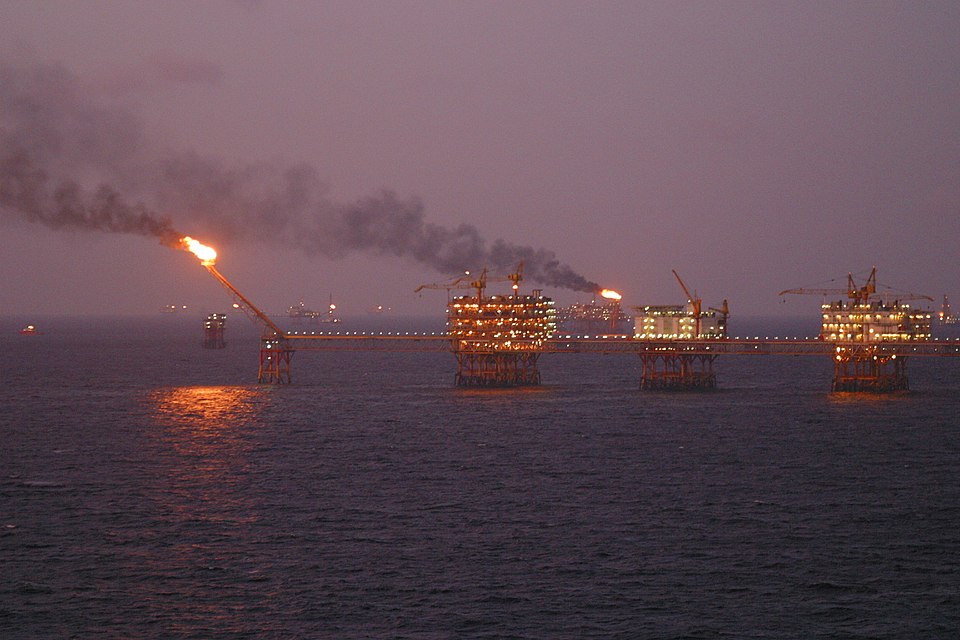
On Sunday, the head of the Pars Oil and Gas Company, Touraj Dehqani, told Iran’s IRNA news agency that gas production had been restored at three offshore platforms in the South Pars gas field. The platforms had been taken offline after Israeli air strikes in March disabled the onshore processing facilities they feed.
The news is significant. South Pars is not just another energy installation. It is part of the world’s largest natural gas field, straddling the maritime border between Iran and Qatar in the Persian Gulf. It supplies the majority of Iran’s domestic gas consumption — power generation, heating, industrial feedstock. It is, in the words of Al Jazeera’s Tehran correspondent Tohid Asadi, “one of the most — if not the most — important energy facility in the country.”
But the restoration is also a reminder of how badly the war has damaged Iran’s energy infrastructure — and how far the country is from a full recovery.
What happened, and what was lost
Israel launched a series of air strikes against Iranian energy infrastructure beginning in early March 2026. On March 7, Israeli aircraft struck multiple targets. On March 19, they hit South Pars directly — the first time the gas field itself was attacked. The strikes targeted the onshore processing complex at Asaluyeh in Bushehr province, which separates gas and removes impurities before the product enters the domestic grid.
In early April, Israel struck again — this time hitting the South Pars Petrochemical Complex, Iran’s largest petrochemical facility, also located in Asaluyeh.
The effect was severe. Iran lost roughly a third of its gas processing capacity overnight, according to Reuters reporting from March. The country was forced to implement rolling blackouts, ration industrial fuel supplies, and draw down strategic reserves. Domestic gas consumption, which had been running at near-record levels through the winter, had to be cut.
The three offshore platforms that resumed production this week were not themselves damaged in the strikes, Dehqani said. The problem was that the onshore plants they fed had been taken out. Now Iran is routing production from those platforms to other processing facilities in the region that are still operational — a workaround, not a repair.
The blockade problem
Restoring upstream production is one thing. Getting the product to market is another.
The Trump administration has maintained a naval blockade of Iranian ports as part of its pressure campaign to force Tehran to agree to a deal ending the war. That blockade has effectively cut Iran off from international energy markets. Oil tankers cannot load at Iranian terminals. Foreign insurers will not cover vessels entering Iranian waters. The few cargoes that have attempted to leave have been intercepted or turned back.
This means that even if Iran fully restores South Pars production — which its officials say will take months, not weeks — it will not be able to export the gas or the condensates that the field produces. The gas can be used domestically, which helps ease the blackouts. But it cannot generate the foreign currency Iran needs to fund imports, rebuild damaged infrastructure, or sustain its war effort.
Iran’s chief negotiator in the ongoing talks with Washington said on Sunday that Tehran would not agree to any deal unless it secured “Iran’s full rights” — a formulation that suggests the blockade is the central issue in negotiations.
A symbolic recovery
Al Jazeera’s Asadi described the resumption of production at the three platforms as “significant both symbolically and practically.”
Symbolically, it matters because Iran has been trying to project resilience since the strikes began. The Iranian government has repeatedly claimed that its energy sector is recovering from Israeli attacks, that repairs are underway, and that the country will not be brought to its knees by the bombing campaign. Getting three platforms back online — even in a limited capacity — gives the government a story to tell.
Practically, it matters because every cubic metre of gas that flows into Iran’s domestic grid reduces the pressure on an already strained population. The blackouts have been deeply unpopular. Restoring power generation capacity is a political necessity for a government facing war, sanctions, and internal discontent.
But the limits are real. The damage at Asaluyeh has not been fully repaired. The petrochemical complex is still offline. The blockade remains in place. And the three platforms that are back online are only a fraction of the South Pars complex, which has 24 production phases, each with its own platforms and processing trains.
What comes next
The restoration of gas production at South Pars is not a turning point in the war. It is a minor recovery in a much larger catastrophe. Iran’s energy sector has been hit harder than at any point since the Iran-Iraq war in the 1980s. The country is fighting a multi-front conflict with Israel, managing a blockade, and trying to negotiate an end to hostilities with an American administration that appears in no hurry to make a deal.
President Trump held a “final determination” meeting on the Iran deal this week and reportedly decided against rushing an agreement. On day 93, the diplomatic off-ramp is not widening.
South Pars will come back, slowly and partially. But whether Iran can export what it produces — and whether that matters in the context of a war that has already reshaped the entire region — are separate questions.