

Lead
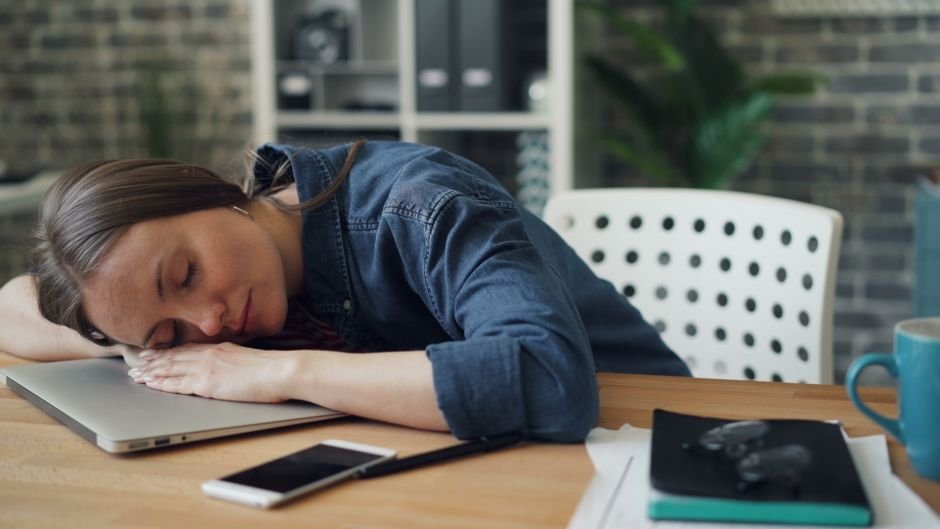
A drug first isolated from the East African poison arrow tree more than a century ago, and long used in tiny doses to treat heart failure, appears to reverse the anxiety-like effects of severe sleep loss in mice by quieting inflammation and oxidative damage in the brain’s memory center. Researchers at Dali University in Yunnan, China, report that low-dose ouabain restored normal behavior and biochemical markers in animals subjected to 72 hours of sleep deprivation.
The study, published in Brain and Behavior, is the first to demonstrate that this classic cardiac glycoside can blunt the neurobiological consequences of insufficient sleep, and it identifies a specific signaling chain inside neurons as the likely pathway.
The compound in question
Ouabain is no newcomer to pharmacology. It belongs to the cardiotonic glycoside family, a group of plant-derived compounds that have been used for centuries to strengthen heart muscle contractions. In modern medicine, ouabain has a narrow role: it blocks the sodium-potassium ATPase pump on cell membranes, raising intracellular calcium levels and boosting the force of each heartbeat.
But ouabain is also an endogenous substance in the human body. The same molecule is produced naturally in the adrenal gland and hypothalamus, where it is thought to act as a hormone-like regulator of the sodium pump. This dual identity, a plant toxin that is also a native signaling molecule, has made ouabain a source of scientific curiosity far beyond cardiology. Recent work has hinted that, at doses far below those used for the heart, ouabain may modulate inflammation and cell survival in the nervous system.
That possibility drew the Dali University team to test whether it might protect the brain against the documented harms of sleep deprivation.
The mechanism revealed
The researchers used a standard mouse model called modified multiple-platform sleep deprivation, which keeps animals awake for 72 hours by placing them on small platforms surrounded by water. Male ICR mice that went through this protocol showed clear signs of anxiety in an open-field test: they spent 56 percent less time in the center of the arena than rested controls, a behavioral pattern that corresponds to anxiety-like avoidance in rodents.
When the team examined hippocampal tissue, the region most vulnerable to sleep loss, they found a molecular storm. The pro-inflammatory cytokines TNF-alpha was elevated by 105 percent and IL-1 beta by 83 percent. Oxidative damage markers climbed as well: malondialdehyde, a byproduct of lipid peroxidation, was up by 90 percent. Meanwhile, protective factors cratered. The anti-inflammatory cytokines IL-4 and IL-10 dropped by 54 percent and 47 percent, respectively. The antioxidant enzymes superoxide dismutase, glutathione peroxidase, and catalase fell by 45 percent, 52 percent, and 52 percent, and total antioxidant capacity declined by 46 percent.
Mice that received low-dose ouabain (3 micrograms per kilogram, injected intraperitoneally) during the sleep deprivation period showed a very different picture. Almost every one of those changes was reversed. The treated animals spent normal amounts of time in the open field center, and their hippocampal levels of inflammatory cytokines, antioxidant enzymes, and oxidative damage markers were statistically indistinguishable from those of mice that had slept normally.
To figure out how ouabain was producing these effects, the researchers performed two additional experiments. First, they depleted microglia, the brain’s resident immune cells, with a drug called PLX5622 and found that this alone produced a partially similar protective profile, suggesting that ouabain’s effects are at least partly mediated through microglial activity. Second, they blocked the signaling pathway known as Src/p38 MAPK/NF-kappa B with a pharmacological inhibitor. That blockade significantly attenuated ouabain’s ability to reduce anxiety and normalize inflammatory markers, pointing to this cascade as the key mechanism.
Why it matters
Chronic sleep deprivation is a widespread public health problem. Roughly one in three adults in the United States reports getting less than the recommended seven hours of sleep per night, and the link between insufficient sleep and mood disorders, including anxiety, is well established. At the biological level, sleep loss triggers a well-characterized cycle: inflammatory signaling rises, oxidative stress accumulates, and the brain’s ability to regulate emotional responses degrades.
The present findings suggest that this cycle might be interruptible at a molecular level. Ouabain, at the very low dose used here, appears to work by engaging the Src/p38 MAPK/NF-kappa B pathway to suppress both components of the injury cascade simultaneously. That is pharmacologically unusual. Most experimental approaches to sleep deprivation damage target either inflammation or oxidative stress, but not both.
If the effect translates to humans, it would represent a genuine therapeutic repositioning. Ouabain is already approved for cardiac use, which means its safety profile in humans is known, albeit at higher doses and via different routes of administration. A low-dose formulation targeting the central nervous system would be an entirely new application.
Limits
The study is a proof of concept in mice, and several caveats apply. The sleep deprivation was acute (72 hours) rather than chronic, so it is not clear whether ouabain would protect against the cumulative damage of weeks or months of poor sleep. The researchers used only male ICR mice, leaving open questions about sex differences in the response. The dose that worked here, 3 micrograms per kilogram, was the only effective dose tested; the experiment did not establish a full dose-response curve, so the therapeutic window remains undefined. And while the study identifies the Src/p38 MAPK/NF-kappa B pathway as a candidate mechanism, it does not yet demonstrate that ouabain enters the brain in meaningful concentrations after peripheral injection, a detail that would need to be confirmed in future pharmacokinetic work. Finally, rodent models of anxiety and sleep deprivation do not perfectly mirror the human experience, and behavioral endpoints like open-field center time are indirect proxies for emotional state.
Bottom line
A classic heart drug, given at a fraction of its cardiac dose, reversed the anxiety, neuroinflammation, and oxidative stress caused by severe sleep deprivation in mice. The effect depended on microglial signaling and the Src/p38 MAPK pathway. Independent replication, dose-finding studies, and eventual human trials will determine whether this old compound has a new career in sleep medicine.
Source
Zhu H, Wang W. Ouabain relieves sleep deprivation-induced anxiety-like behavior in mice by suppressing hippocampal neuroinflammation and oxidative stress. Brain and Behavior. 2026;16(7):e71629. doi:10.1002/brb3.71629