

Britain prepares for its seventh prime minister in a decade
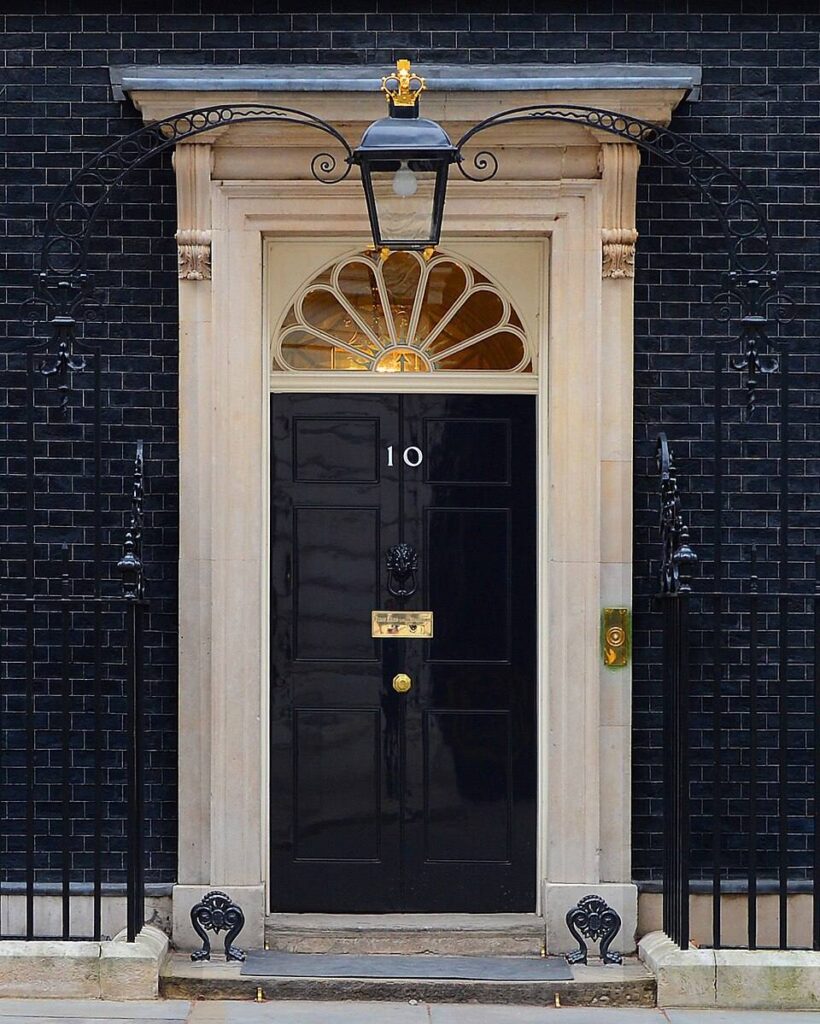
LONDON. Keir Starmer stood on the steps of Downing Street on Monday morning. He did what British prime ministers have been doing with alarming regularity for ten years: he resigned.
“I have heard the answer of my parliamentary party,” Starmer said, his voice breaking near the end of a brief statement. “I accept that answer with good grace.”
The 63-year-old lawyer who led Labour to a landslide victory in July 2024, ending 14 years of Conservative rule with 411 of 650 seats, lasted one year and 354 days. That makes him the 16th shortest-serving prime minister in British history. He outlasted Rishi Sunak by 98 days.
Britain will now get its seventh prime minister in ten years. The list runs like a grim roll call: David Cameron, Theresa May, Boris Johnson, Liz Truss (44 days), Rishi Sunak, Keir Starmer, and now the man almost certain to replace him, Andy Burnham.
The timing is brutally symbolic. Tuesday marks the tenth anniversary of the Brexit referendum, the vote that shattered the British political system and set off a decade of churn that no party has been able to stop.
How Starmer fell
Starmer inherited a Labour Party he described as “politically, financially, and morally bankrupt” when he took over in 2020. He rebuilt it, rooted out the antisemitism that had festered under Jeremy Corbyn, and won a historic mandate. In his resignation speech, he listed genuine achievements: the fastest fall in NHS waiting lists in 17 years, the biggest uplift in defense spending since the Cold War, falling small boat crossings, half a million children lifted out of poverty.
But the public stopped listening. A cost-of-living crisis that would not ease. A historic 40 billion pound tax-raising budget in August 2024 that sparked immediate backlash. Cuts to sickness and disability benefits that alienated the party’s working-class base. And the Gaza war. Labour maintained arms export licenses to Israel and allowed British-made components to enter the F-35 supply chain, infuriating the party’s left wing.
The local elections in May were catastrophic. Labour lost more than 1,400 seats, including control of Wales for the first time in nearly three decades. Reform UK, Nigel Farage’s hard-right party, absorbed the protest vote. The Greens ate into Labour’s left flank.
By mid-May, more than 95 Labour MPs had called on Starmer to go. Wes Streeting resigned as health secretary in May, saying he had lost confidence in Starmer’s leadership. Defense Secretary John Healey quit in June over a dispute about defense spending, accusing Starmer of failing to commit the money needed for national security.
The final blow came on June 18, when Andy Burnham won the Makerfield by-election with 54.8 percent of the vote. Burnham, the popular former mayor of Greater Manchester, defeated Reform UK’s candidate in a seat Labour had held for a century. The message was unmistakable: Labour voters wanted Burnham, not Starmer.
What happens next
Starmer has asked Labour’s National Executive Committee to open nominations for a new leader on July 9, with the contest completed by the summer recess. A new prime minister should be in place before Parliament returns in September. If only one candidate stands, the handover could happen within weeks.
That candidate is almost certainly Andy Burnham. Wes Streeting, who had been expected to run, announced Monday that he would back Burnham instead. “We could spend the summer exaggerating our small differences,” Streeting said, “or we can roll up our sleeves and help Andy to deliver the change our party and our country needs.”
Burnham, 56, presents himself as an amiable northern everyman who prefers T-shirts to suits and plays soccer or spins 1990s records in his spare time. He has been the mayor of Greater Manchester since 2017 and built a reputation as a competent administrator who could speak to both the Labour base and swing voters. He confirmed on Monday that he would seek the leadership, calling for an “orderly and responsible” transition.
EU Commission President Ursula von der Leyen praised Starmer after his announcement. “It can take many leaders years to grow into the statesman you became in just two years,” she wrote. “European and Ukrainian security is stronger because of you.”
Jeremy Corbyn, Starmer’s predecessor, offered a different verdict. “Starmer could have ended child poverty, homelessness and the grotesque levels of inequality in this country,” he wrote. “Instead, he abandoned those in need, destroyed our civil liberties and facilitated genocide in Gaza.”
The seventh prime minister
The deeper story here is not about Starmer or Burnham. It is about a political system that cannot hold. Ten years ago, Britain voted to leave the European Union. Since then, every prime minister has been consumed by the contradictions that vote unleashed: the economy that would not grow, the public services that would not recover, the immigration that would not slow, the national story that would not settle.
Burnham may break the cycle. He may not. But the pattern is clear. Britain is running through leaders faster than it has since the 1830s. At some point, the question stops being about who leads and starts being about whether the system itself can function.
Starmer ended his speech by thanking his wife Victoria and his children. “When I leave the biggest job in British politics,” he said, his voice cracking, “I will spend my time on the most important job: to be the best husband to my fantastic wife and the best father to my beautiful children.”
Then he walked back inside 10 Downing Street. The seventh prime minister was waiting in the wings.