

Before the bombs started falling, the Iranian summer was already a crisis. The government promised no blackouts in 2026. Then the war came.
Temperature in Khuzestan province has passed 50°C in recent days. Residents there face scheduled power cuts of up to four hours – in a province that produces twice the electricity it consumes. In Ilam, temperatures around 46°C with outages lasting four hours. In Tehran, elevators stop working in apartment blocks during daytime blackouts. The elderly, the sick, and anyone who cannot climb stairs is trapped.
This is the part of the war that rarely makes headlines.
A country bleeding from every direction
Iran’s economy was limping before February 28. The rial had collapsed to more than 1.1 million to the dollar. Inflation was above 40%. Sanctions had strangled foreign investment. The regime’s infrastructure – power grid, water systems, refineries – was already decaying from years of underinvestment.
Then the US-Israeli strikes began. And things went from bad to catastrophic.
Tehran estimates the war has caused $270 billion in damage – roughly 57% of the country’s GDP. Each additional month of fighting, analysts say, sets the Iranian economy back by five years. The power grid, already fragile, has been hit directly. The national electricity authority admits a shortfall of up to 13,640 megawatts during peak demand – about a sixth of what the country needs.
The government has imposed rolling blackouts across the country. The Ministry of Industry ordered a national shutdown of manufacturing to conserve power. The regime has been trading oil for electricity with Turkey to keep the lights on – and it is still not enough.
War damage on top of structural rot
The blackouts are not a wartime accident. They are the result of years of neglect that the war has exposed and accelerated.
Iran’s installed power capacity looks respectable on paper – over 100,000 megawatts. But actual output is far lower because of aging plants, fuel shortages, and water scarcity that affects hydroelectric generation. The summer peak demand of nearly 80,000 megawatts outstrips what the grid can actually deliver.
The war made it worse by hitting substations, transmission lines, and backup power systems. But the rot was there before the first bomb.
The same is true of the economy. The regime could not feed its people or create jobs before the war. The conflict has simply made the collapse visible to the outside world.
Civilians caught in the middle
More than 1,700 Iranian civilians have been killed since the war began. That figure comes from Iranian officials and is almost certainly an undercount. The US does not release its own civilian casualty estimates.
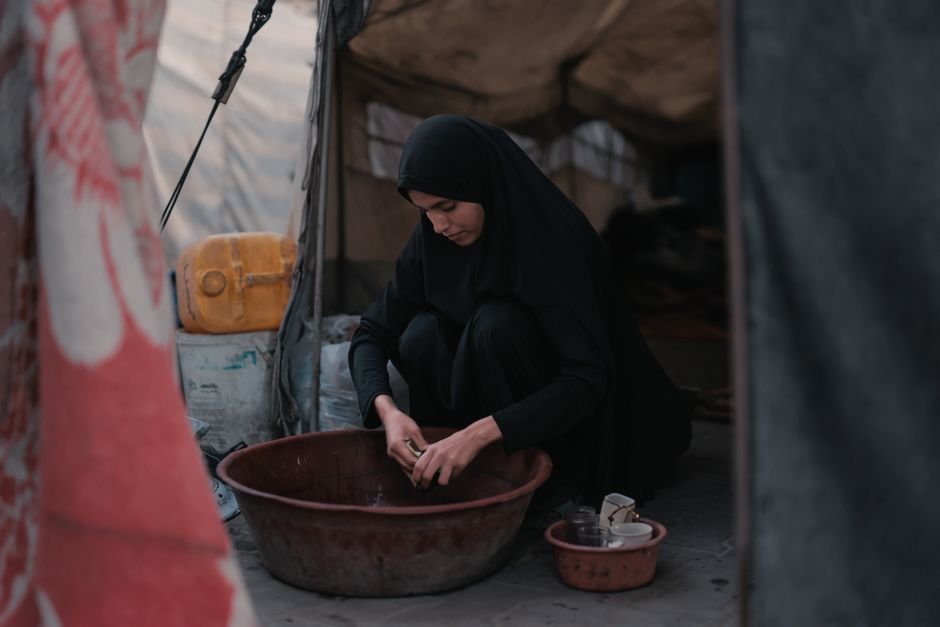
The people still alive face a daily struggle that has nothing to do with grand strategy. Rising food prices. No air conditioning in 50°C heat. Bombarded infrastructure that means even basic services are rationed.
An Al Jazeera report this week offered a single-line summary: “People are faced with mounting pressures, including rising living costs, electricity cuts and bombarded infrastructure.”
In a country where the regime spent decades preparing for war – building underground nuclear facilities, stockpiling missiles, financing proxies across the Middle East – it did not prepare its own people for the reality of one.
Iran entered this war with a weakened economy, an aging grid, and a population that had already been protesting in the streets. It has emerged with a $270 billion bill, a shattered infrastructure, and a population that is still waiting for a summer without darkness.