

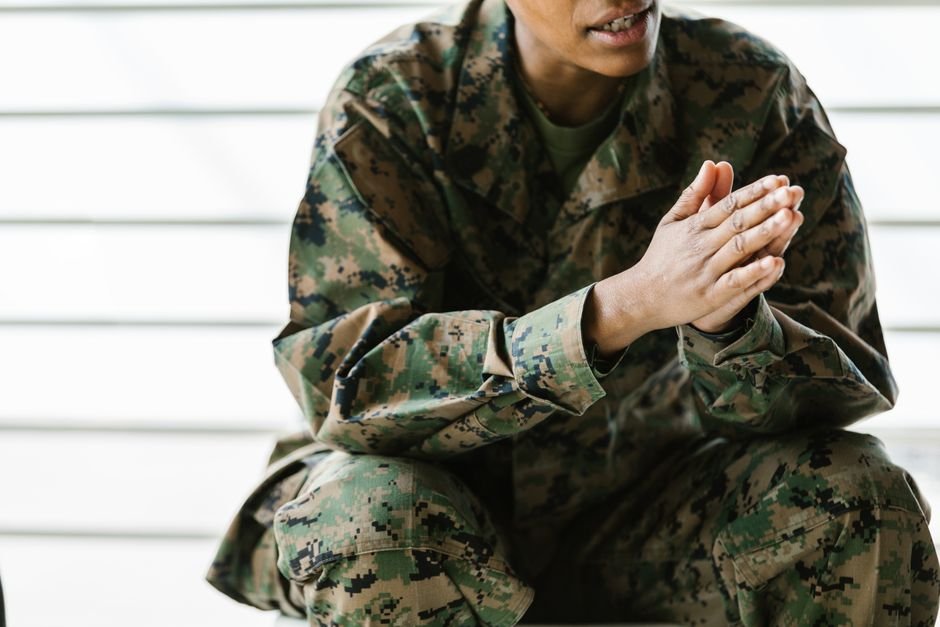
The Pentagon admitted Monday that nearly 100 US service members have been injured over the last two weeks as Iran’s reprisal attacks against American forces and allies intensify. The admission did not come voluntarily. The New York Times reported first that the Pentagon was withholding information about troop injuries, and the department was forced to respond.
Pentagon spokesperson Sean Parnell said the vast majority of those injured suffered only “minor concussions” and 96% had returned to work. He denied that the Pentagon was hiding data. But the pattern is familiar: the number comes out only after a news organization digs it up, and the official response is to minimize it.
Three US soldiers have been killed in action in Jordan and Iraq over the past week. The nearly 100 injured troops bring the total human cost of the Iran war into sharper focus.
The injuries come from a wave of Iranian retaliatory strikes targeting US military sites across the region. Iran’s Revolutionary Guards said Tuesday they had hit American air defense systems and radar installations in Bahrain and Kuwait. Kuwait, Bahrain, and Jordan all activated defenses to repel the attacks. US air defense systems intercepted and shot down three Iranian missiles, according to the Pentagon.
Meanwhile, Iran struck a tanker in the Strait of Hormuz, forcing the crew to abandon ship. The United Kingdom Maritime Trade Operations agency said the tanker was hit by an unknown projectile 15 km (eight nautical miles) east of Oman’s Limah. The crew abandoned the vessel for a lifeboat. No environmental impact was reported. Iran’s Revolutionary Guards later claimed responsibility for the tanker attack, along with two other attacks on ships Monday in the waterway.
The US launched a tenth consecutive night of strikes against Iran. CENTCOM released footage of the ongoing operations. The back-and-forth shows no sign of ending. The US strikes, Iran retaliates, the US strikes again.
The Pentagon’s admission raises questions about what else is not being disclosed. If nearly 100 troops were injured in two weeks and the information only came out because the Times reported on it, then the public cannot trust that it has the full picture. Parnell said 96% had returned to work, meaning at least a few troops had injuries serious enough to keep them out of action. The military does not say what those injuries are.
The economic toll is mounting too. Brent crude traded above $88 a barrel. Regular petrol in the US climbed to an average of $4 a gallon, keeping pressure on American households ahead of midterm elections in November.
Iran has shown it cannot match US air power, but it does not need to. It can fire missiles at bases in Bahrain and Kuwait, hit tankers in the Strait of Hormuz, and inflict casualties that the Pentagon admits only when it is caught keeping quiet. That is the pattern of this war: the US dominates the skies, but Iran makes it hurt everywhere else.