

The United States has now carried out nine consecutive nights of strikes against Iran, with CENTCOM announcing a new wave of attacks Sunday evening aimed at “degrading Iranian military capabilities” used to threaten commercial shipping in the Strait of Hormuz.
“These strikes will continue degrading Iranian military capabilities used to attack commercial vessels and civilian mariners transiting the Strait of Hormuz,” CENTCOM said in a statement. The campaign has hit more than 300 Iranian military sites since it began, including air-defense systems, radar installations, missile launch sites, drone facilities, and coastal surveillance infrastructure.
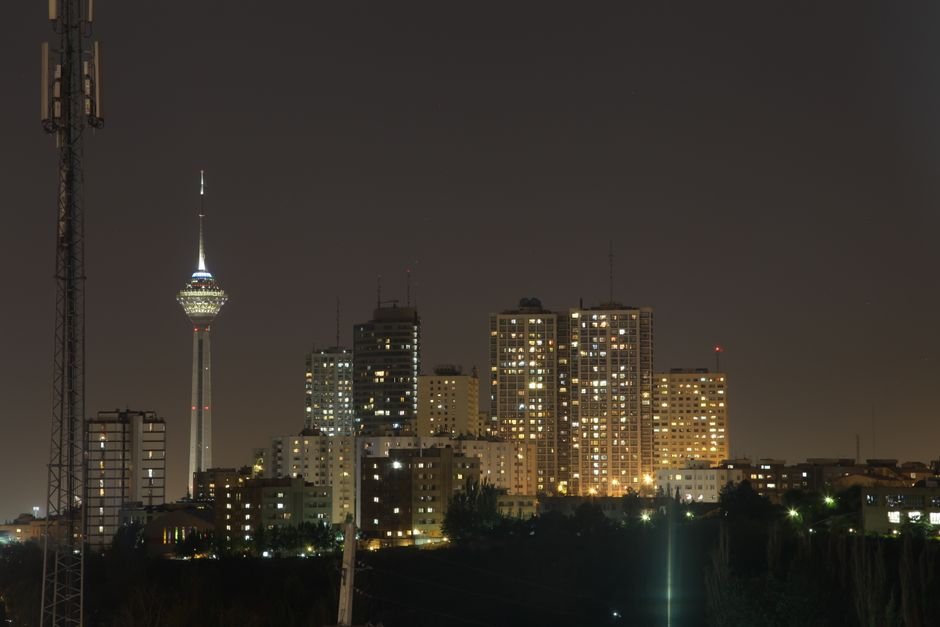
Iran reported that the strikes hit the city of Tabriz in the northwest and a command center in Syria. Explosions were heard in Tabriz, according to Iranian state media.
The ninth night of attacks comes as the interim ceasefire between the US and Iran lies in ruins. The 60-day deal, negotiated last month, was meant to produce a permanent end to the fighting. Halfway through that window, both sides have resumed full-scale military operations.
The Pentagon has deployed a new class of weapon in these operations, one-way attack sea drones, used for the first time alongside aerial drones and conventional munitions. The US military’s Central Command said the strikes were targeting the Islamic Revolutionary Guard Corps, which controls Iran’s ballistic missile arsenal.
Iran has responded by firing missiles toward US allies in the region. Jordan’s military said it shot down several Iranian missiles over the weekend. Kuwait, Bahrain, and other Gulf states have activated air defenses against incoming threats.
The intensification of the bombing campaign follows the deaths of three US service members in a single week, two killed in an Iranian missile strike on a base in Jordan on July 17, and a third killed in northern Iraq during a controlled detonation of a downed Iranian drone. A fourth service member remains missing; unidentified remains were found at the Jordan attack site on Sunday.
The US death toll has now reached 17 since the war began on February 28, with more than 430 troops wounded.
The Strait of Hormuz, through which one-fifth of the world’s oil supply transited before the war, remains the central flashpoint. Shipping traffic has fallen to a fraction of pre-war levels, with the US Navy warning that “deliberate hostile action is considered highly likely” against any vessel transiting the waterway.
The administration has attempted to frame the campaign as one focused on ensuring oil flow rather than punishing Iran, Energy Secretary Chris Wright said Sunday that the mission had “pivoted” toward keeping the strait open. But nine nights of strikes and a rising death toll suggest a war that has no clear off-ramp.