

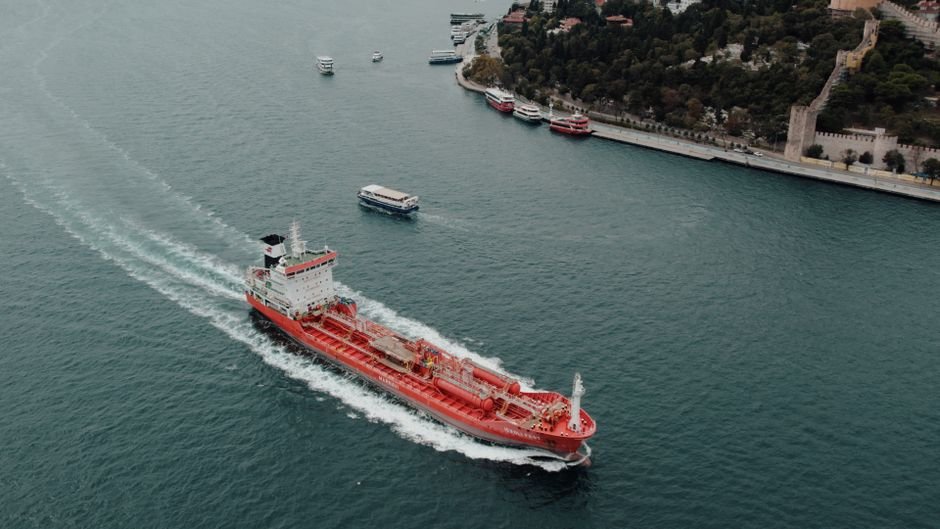
US Marines from the 31st Expeditionary Unit boarded a tanker in the Gulf of Oman on Thursday as American warplanes struck bridges and a railway station in southern Iran, a double escalation of military pressure that signals the collapse of any remaining diplomatic restraint.
The tanker, the M/T Wen Yao, was suspected of attempting to violate the renewed US naval blockade of Iranian ports. Marines searched the vessel and forced it to alter course. US Central Command said it was the latest of 91 commercial ships that have been redirected since the blockade was imposed.
A separate boarding earlier in the week involved the Curacao-flagged tanker Belma, which US forces disabled with Hellfire missiles fired into its smokestack after it ignored multiple warnings while transiting toward Iran’s Kharg Island. “The ship is no longer transiting to Iran,” CENTCOM said.
The blockade, which had been lifted as part of last month’s ceasefire deal, was reimposed Tuesday evening. In the first 24 hours, CENTCOM said it had redirected two compliant vessels and disabled one non-compliant one.
The strikes hitting inland represent a significant tactical shift. For the first time in this cycle of fighting, US forces are no longer limiting themselves to coastal positions.
French outlet France 24 reported that overnight strikes hit an airport, two bridges, and a railway station in southern Iran, killing three civilians. Iranian state media confirmed the strikes and the casualties. The US said it was targeting “Iranian military capabilities used to threaten vessels” in the Strait of Hormuz, but the bridges and rail lines hit are civilian infrastructure, and the distinction matters.
President Trump has threatened to bomb bridges and power plants if Iran does not return to talks next week. Those threats are now being carried out. A railway bridge near Aq Qala in Golestan Province was among the targets. The US has not confirmed whether the bridge strikes were part of a deliberate campaign against infrastructure or tactical strikes on supply routes used by Iranian forces.
GlobalSecurity.org reported that US strikes also reached the Artesh Ground Forces 388th Mechanized Assault Brigade barracks at Iranshahr, roughly 200 kilometers inland, killing seven soldiers and wounding 13. Another strike hit an IRGC base at Saravan in the same province.
The naval and air campaign is being run in parallel with an economic one. The blockade has effectively cut off Iranian oil exports, which had been allowed under the June memorandum of understanding. About 90 percent of Iran’s crude exports pass through the eight-square-mile Kharg Island terminal. Trump has suggested he may seize it, telling reporters that “we have other people that will do the ground campaign for us.”
Shipping companies are now refusing US military-escorted transits through the Strait of Hormuz despite naval protection. The Joint Maritime Information Center has raised its risk grading to “severe.” Oil prices have surged. Tanker traffic through the strait is at a near-standstill.
What began as a limited bombing campaign against coastal defenses has expanded into a full blockade, a widening air war, and the credible threat of a ground operation. The deal that was supposed to end this is dead. The fighting is getting bigger, not smaller. And the only question that remains is where the next escalation comes from.