

The head of the International Energy Agency has delivered the most direct warning yet about the Strait of Hormuz crisis: the world’s energy supply is facing a disruption worse than the oil shocks of 1973, 1979, and 2002 combined.
“The world has never experienced a disruption to energy supply of such magnitude,” Fatih Birol told Le Figaro. “Oil security is still a critical issue, and if the situation does not improve, the world should be worried.”
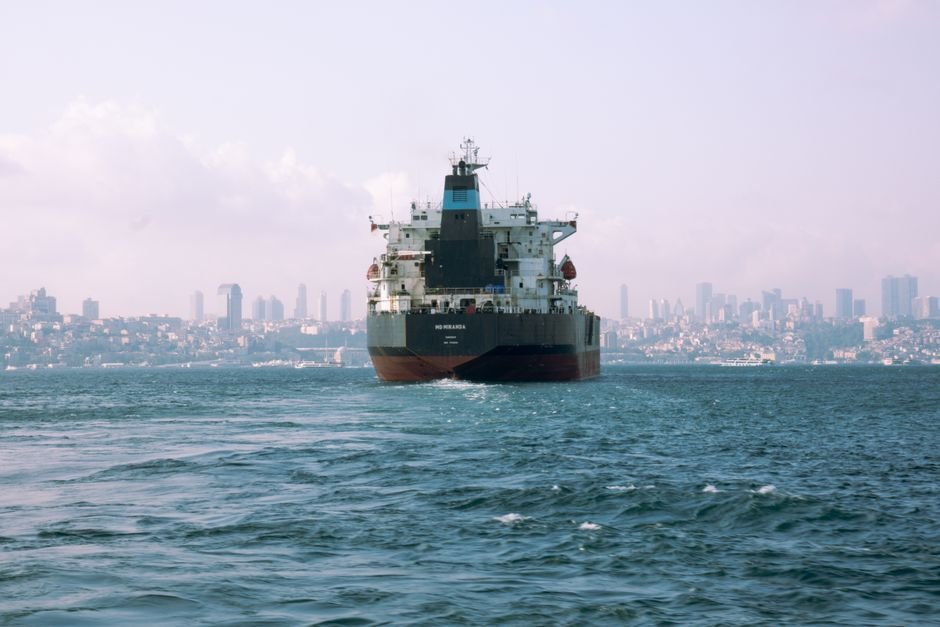
The Strait of Hormuz carries roughly 20% of all oil and gas consumed on the planet. Since the renewed US strikes began and Iran responded by threatening shipping, tanker traffic through the strait has slowed to a standstill. The blockade, reimposed by the US after last month’s ceasefire deal collapsed, has already redirected or disabled dozens of commercial vessels.
Birol said the crisis is hitting developing countries hardest. They face higher oil and gas prices, higher food prices, and accelerating inflation, the kind of cascading economic disaster that can destabilize governments.
The numbers are stark. The IEA estimates that global oil supply has fallen by 3.9 million barrels per day since the conflict escalated. Emergency stockpiles have been drawn down at record rates, the IEA coordinated a 400-million-barrel release in March, the largest in its history, but inventories continue to fall.
Oil prices have surged. The IMF expects global inventories to hit a five-year low by the end of the month. The US has raised its own production to a record 13.1 million barrels per day, and Saudi Arabia has redirected more than 5 million barrels daily through its East-West pipeline to Red Sea ports. These stopgap measures are keeping the global economy from seizing up entirely, but they are not a substitute for a functioning Strait of Hormuz.
Birol has described the reopening of the strait as “the single most important” step to resolving the energy crisis. That reopening is not on the horizon. The US and Iran are bombing each other. The June memorandum of understanding has been declared void by both sides. And the IRGC has warned it will close other oil and gas export routes if the US continues.
The crisis has reshaped global energy markets in ways that will outlast the conflict. Buyers are reassessing their dependence on Gulf oil. Saudi Arabia and the UAE are investing in pipeline capacity to bypass the strait. The US has become a net exporter of jet fuel for the first time.
But these structural shifts take years. In the short term, the world is burning through its strategic reserves, hoping the strait reopens before the stockpiles run out.
Birol was careful not to blame any single party. The IEA, he said, “sticks to data and reports it without fear or favor.” The data, in this case, is clear: 20% of the world’s oil and gas moves through a narrow body of water that is now a war zone. Until that changes, every country that depends on energy imports is living on borrowed time.