

Tiny Atlanta Startup Reditus Space Completes First Reentry Vehicle, Built in Just 15 Months
Date: 2026-07-14
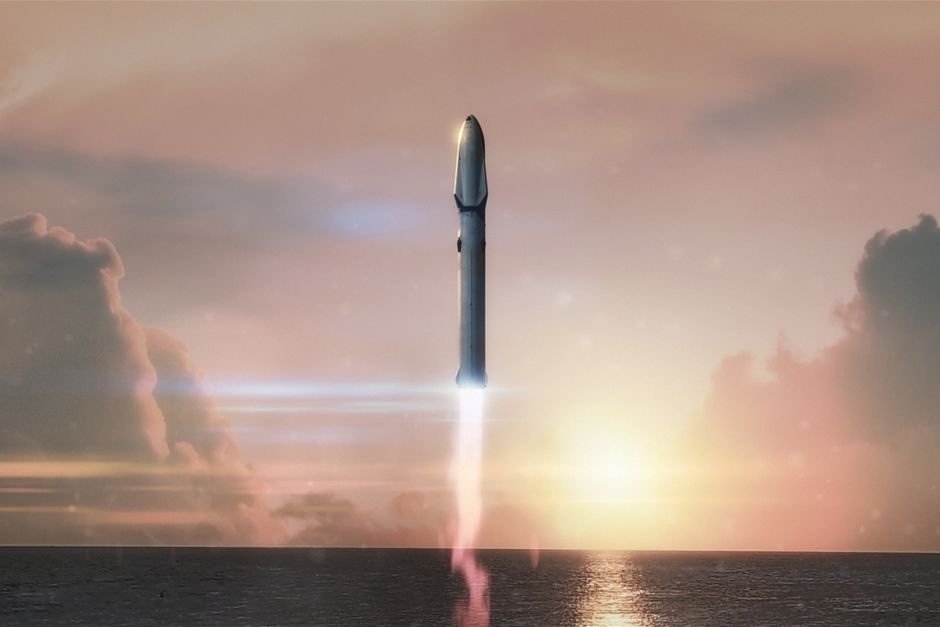
Featured image: [Rendering of the ENOS reentry vehicle in orbit; credit: Reditus Space]
A 12-person startup in Atlanta has completed its first reentry vehicle in just 15 months on a seed budget of USD 7.1 million, marking one of the fastest development cycles in the emerging commercial return-from-orbit market.
Reditus Space announced that its ENOS reentry spacecraft has been completed and is targeting launch on a SpaceX Falcon 9 rideshare mission later this year. The vehicle is designed to return more than 80 percent of its mass to Earth as an integrated system, a departure from the capsule-on-a-bus architecture used by competitors such as Varda Space.
“In the same manner that you would get a middeck locker on the ISS, it just goes up and down a lot more efficiently,” said CEO Stef Crum, a Georgia Tech PhD who previously worked with NASA and the US Space Force on orbital operations and reentry.
The ENOS Vehicle
ENOS, named from the Latin for “annual return,” is a 200-kilogram spacecraft capable of returning 40 to 60 kilograms of payload from orbit. It survives reentry velocities above Mach 24 using a proprietary thermal protection material called RHEA, developed with NASA support. The propulsion system comes from Dawn Aerospace’s SatDrive green propulsion line.
The vehicle follows a “singular system” design philosophy. Rather than detaching a small return capsule from a larger satellite bus, ENOS brings the entire vehicle back through the atmosphere, discarding only a backpack module carrying solar panels and radiators before reentry. Future production versions target 20 or more flights per vehicle.
The first mission, ENOS-1, will spend about two months in orbit before returning its payload via splashdown off the coast of Florida. The launch was originally targeted for early 2026 but has slipped to the fourth quarter, consistent with the typical timeline for a first-of-kind space mission.
Lean and Fast
Reditus Space was founded in 2024 by Crum and Will Sherman, both Georgia Tech aerospace engineering researchers. The company went through Y Combinator’s Winter 2025 batch and raised USD 7.1 million in a seed round by December 2025. Investors include Antler and the Y Combinator program itself.
The company’s speed is notable: ENOS went from clean sheet to flight-ready vehicle in roughly 15 months with a core team of roughly 12 engineers and six interns, a pace that reflects a deliberate “small, fast, iterative” ethos more commonly associated with early-stage launch vehicle startups.
Beyond the vehicle itself, Reditus has secured several strategic partnerships. A core partnership with Voyager Technologies, announced in November 2025, gives the startup access to Voyager’s microgravity payload expertise, which spans more than 1,300 payloads flown to the ISS. A contract vehicle award from the Missile Defense Agency’s USD 151 billion SHIELD program in December 2025 opens the door to government hypersonic testing contracts for the US Golden Dome defense initiative.
A Growing Market
Reditus enters a market that is heating up fast. With the ISS expected to retire in the early 2030s, demand for commercial return-from-orbit services is climbing sharply. SpaceX’s Starfall conducted its first test flight in June 2026, Varda Space has flown multiple reentry capsule missions, and ATMOS Space Cargo is developing inflatable return vehicles.
CEO Crum sees SpaceX’s Starfall as complementary infrastructure rather than competition, analogizing the relationship to small launchers operating alongside the Falcon 9. Reditus targets smaller payloads with faster turnaround, positioning itself as the quick and nimble option for pharmaceutical, semiconductor, and defense customers who need routine access to microgravity and a reliable ride home.
The first ENOS payload manifest already includes pharmaceutical research and development customers, advanced semiconductor materials experiments, and hypersonic technology testing payloads, suggesting that demand for return services is real and diversified well before the vehicle has left the ground.