

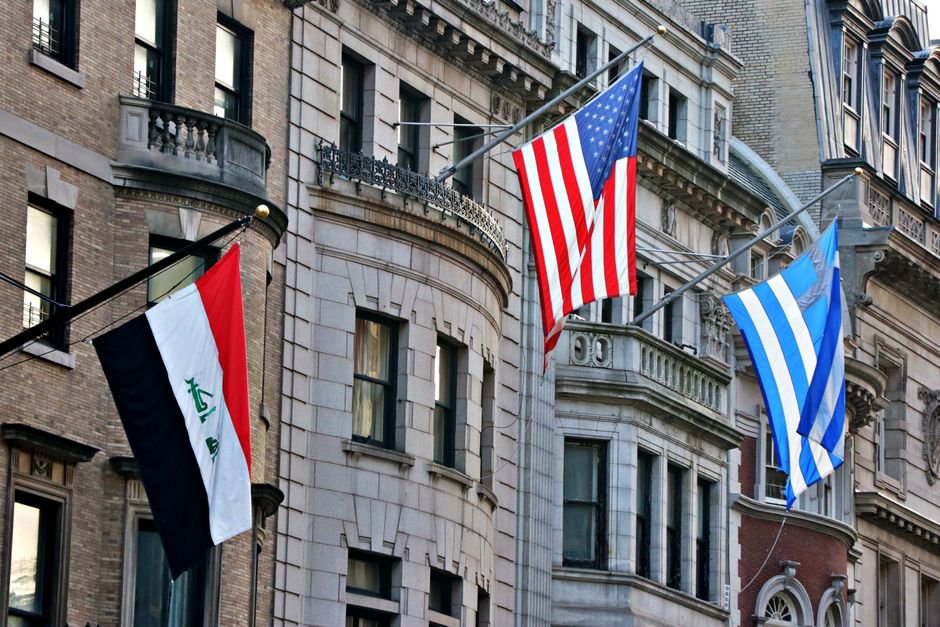
Iraqi Prime Minister Ali al-Zaidi will travel to Washington on Monday for talks with President Donald Trump, with several oil and gas agreements expected to be signed as Baghdad seeks to reduce its exposure to the chaos in the Strait of Hormuz.
The visit, al-Zaidi’s first official foreign trip since taking office in May, is designed to deepen strategic ties between the two countries. Government spokesperson Haider al-Aboudi said the prime minister will lead a high-level delegation and is scheduled to meet Trump directly.
“The agreements to be signed will include several memorandums of understanding in the oil and gas sector as Iraq prepares to bring in various US companies that will provide momentum to increase oil production capacity,” al-Aboudi told the state-run Iraqi News Agency.
Behind the diplomatic language lies a pressing strategic concern. Iraq, like other Gulf oil producers, has suffered a sharp drop in oil revenue due to the effective closure of the Strait of Hormuz during the US-Iran war. The planned agreements would create alternative export outlets, including pipelines and overland routes, that bypass the narrow waterway entirely.
Iraq sits on some of the world’s largest proven oil reserves, but its production capacity has been hamstrung by decades of war, sanctions, and corruption. Bringing in US companies like Chevron, which already operates in Basra, could boost output significantly. The Akkas gas field in western Iraq, long underdeveloped, is also expected to feature in the talks.
The visit will also address security cooperation. Al-Aboudi said strengthening Iraq’s armed forces would be on the agenda, along with Iraq’s ongoing efforts to place all weapons under the exclusive control of the state, a reference to the Iran-backed militias that operate freely in parts of the country.
Balancing relations between Washington and Tehran is al-Zaidi’s central challenge. He took office in May after succeeding Mohammed Shia al-Sudani, inheriting a country where Iran-backed armed groups hold significant power. Trump congratulated al-Zaidi on his nomination in April, expressing hope for closer cooperation. But US pressure on Iraq to curb the influence of pro-Iran militias has been a persistent source of tension.
The timing of the visit is notable. Al-Zaidi arrives in Washington just as the US and Iran are trading strikes and the Strait of Hormuz ceasefire is collapsing. For Iraq, a country that borders both Iran and the waterway, there is no such thing as neutrality in this war. Every escalation between Washington and Tehran puts Baghdad in an increasingly untenable position.