

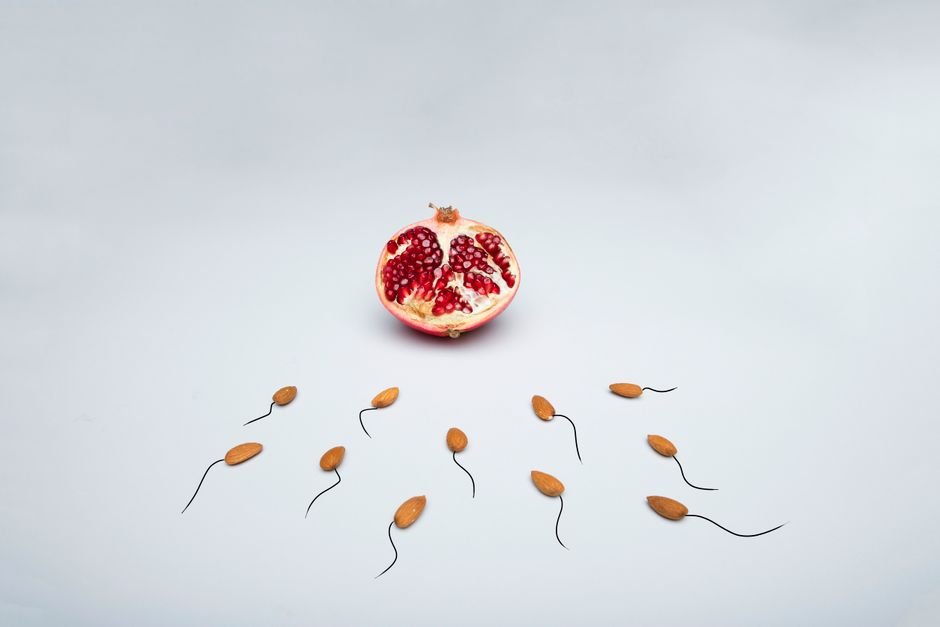
Researchers at the University of Pennsylvania have taken a significant step toward producing human sperm in the lab, but the latest work, published in Cell Stem Cell and covered by Nature News, also makes clear how far the field still has to go.
The team, led by reproductive biologist Eoin Whelan and developmental biologist Kotaro Sasaki, started with blood cells from a human donor, reprogrammed them into induced pluripotent stem (iPS) cells using standard Yamanaka factor methods, then guided those cells into primordial germ cell-like cells (PGCLCs), the early embryonic precursors that normally give rise to sperm or eggs.
Moving PGCLCs to the next stage, spermatogonia, the immature sperm precursors that reside in the testis, has been a major bottleneck. The Penn team solved it by mixing their human PGCLCs with non-reproductive mouse testicular cells (which provide structural support and signaling factors), then transplanting the mixture into a pouch beneath the kidney capsule of a live mouse.
The kidney capsule serves as an in vivo incubator: the rich blood supply provides vascularization, nutrient delivery and waste removal, allowing the cells to grow and self-organize. After six months, the transplanted cells had formed tubular structures resembling those found in testicular tissue, and the human cells had progressed to the spermatogonial stage.
But there they stopped.
The cells arrested at an immature stage, unable to complete the full journey of spermatogenesis that would produce functional, motile sperm. The signals required for that final maturation remain unknown, and no existing laboratory environment, mouse or artificial, has been able to provide them.
The work builds on a decade-long trajectory: Sasaki’s group first made PGCLCs from human iPS cells in 2015. In 2020, a different team identified the mouse testicular support cells that make the current approach possible. In 2023, researchers produced offspring from two male mice using lab-grown eggs, but the human version remains, in Sasaki’s words, “so behind” compared to the mouse work.
About 40% of male infertility cases have no known cause. If lab-grown sperm could eventually be produced, they could help men who produce no sperm at all to father biological children. But the researchers emphasize they are a long way from any clinical application, and the ethical questions, including the possibility of genetically modifying reproductive cells or creating “designer babies”, remain unresolved.
Sources
[1] Whelan, E.C., et al. “In vitro derivation of human spermatogonia from pluripotent stem cells.” Cell Stem Cell (2026). DOI: 10.1016/j.stem.2026.06.001
[2] Ledford, H. “Lab-grown human sperm inch closer to reality.” Nature News (2026). https://www.nature.com/articles/d41586-026-02172-6