

Putin Concedes Ukrainian Drone Strikes Are Damaging Russia’s Economy
For the first time since the full-scale invasion began, Putin publicly concedes that Ukrainian drone strikes are landing blows on Russia’s economic engine and social fabric.
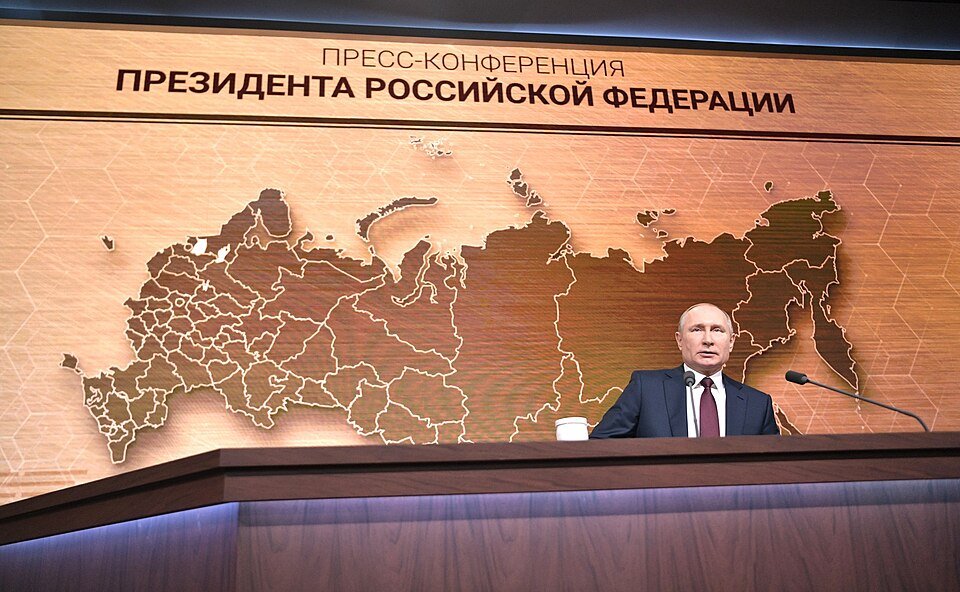
President Vladimir Putin acknowledged on June 12, Russia Day, that the escalating Ukrainian drone campaign against Russian infrastructure is inflicting real damage on the country’s economy and society. Speaking at the Kremlin to assembled service members, Putin offered a rare public admission that Kyiv’s long-range strikes are having an effect, even as he sought to downplay their long-term significance.
“As for the economy: they are certainly causing us damage, but we are recovering quickly,” Putin told the crowd, according to reports from the Moscow Times and Al Jazeera. He described Ukraine’s strategic objective as an effort to “create a split in Russian society, sow confusion and inflict economic damage.”
However, the Russian president insisted the campaign would fail. The strikes, he said, will not succeed “in either dividing society nor in causing us economic harm — at least not in the way they are aiming for.”
The admission is striking for a leader who has routinely dismissed or ignored the impact of Ukrainian attacks on Russian territory. For over four years of war, the Kremlin has maintained a carefully curated narrative of normalcy, with state media rarely reporting on the scale of drone incursions or the damage they cause to domestic energy and industrial targets. That facade has become harder to sustain.
The night before Putin’s speech, Ukraine launched a coordinated drone attack that struck a key oil refinery in Nizhnekamsk, deep in the Republic of Tatarstan, around 1,200 kilometers from the front lines. The Ukrainian military claimed responsibility for the strike, which targeted the TANEKO refinery operated by Tatneft, one of Russia’s largest refining complexes. Additional strikes hit petrochemical facilities in the Samara region.
These attacks are part of a deliberate strategy. Over recent months, Ukraine has shifted focus from purely tactical battlefield operations to a sustained campaign against Russia’s energy infrastructure: refineries, fuel depots, pipelines, and supply routes in Crimea and along the Russian mainland. The goal is strategic attrition – degrading Russia’s ability to fuel its war machine while simultaneously straining a domestic economy already buckling under the weight of international sanctions and wartime expenditure.
Putin’s speech came at a delicate moment for the Russian economy. Inflation remains stubbornly high, the ruble has faced periodic pressure, and the energy sector – once the bedrock of Russian state revenue – has been hit by both Western price caps and now direct physical destruction from drone strikes. Fuel shortages have been reported in several regions, and the cost of rebuilding damaged refineries is mounting.
In his address, Putin also promised that Russia would escalate its own strikes on Ukrainian infrastructure. He called for improvements to Russia’s air defense systems, marking the second such demand from the Kremlin this month. The acknowledgment of air defense shortcomings is itself notable: it suggests that the current waves of Ukrainian drones, many of which are low-cost and domestically produced, are overwhelming Russia’s layered defense network in certain sectors.
The symbolism of the date was not lost on observers. Russia Day is meant to celebrate national unity and sovereignty. That Putin chose this particular day to acknowledge the effectiveness of Ukrainian strikes – even while framing them as a temporary challenge – underscored how thoroughly the war has reversed the narrative of Russian invulnerability.
For the average Russian, the war has become increasingly tangible. Drone debris in residential neighborhoods, fires at industrial plants visible from nearby towns, and the creeping awareness that even cities deep in the Russian heartland are no longer safe have eroded the sense of distance that initially insulated much of the population from the conflict.
This is the paradox Putin now faces. By admitting that Ukraine is causing damage, he signals honesty to a domestic audience that has grown weary of state triumphalism. But each such admission also validates the very threat he seeks to minimize. The strikes are causing economic harm; they are sowing confusion; and while they may not achieve everything Kyiv hopes, they have already accomplished something the Kremlin never anticipated: forcing the Russian president to say so out loud.